
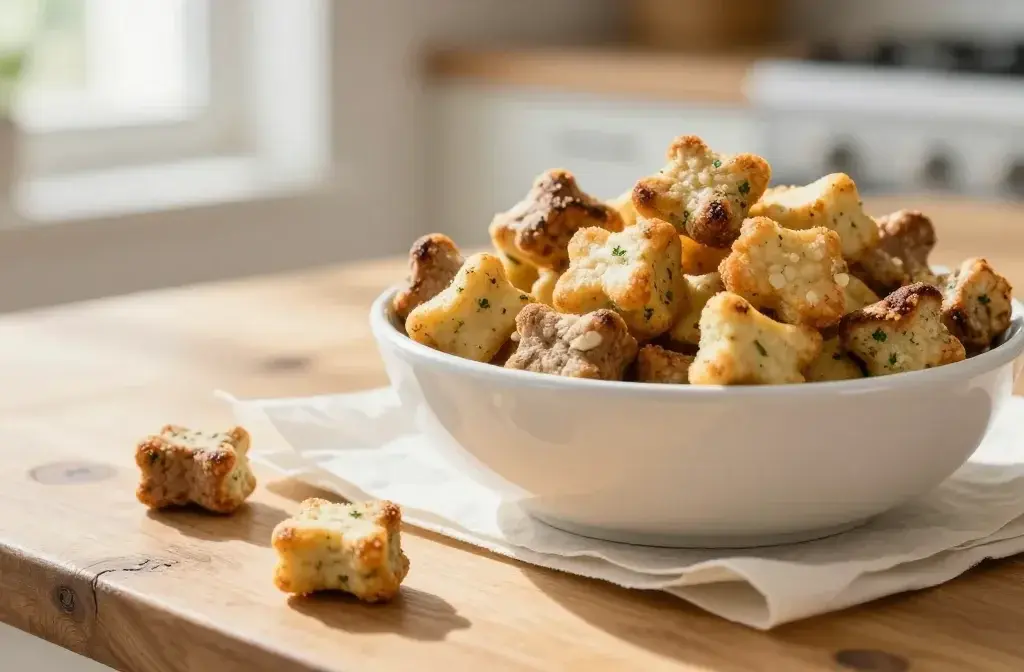
If your pup could talk, they’d beg for treats that don’t crumble into crumbly chaos. Flour-free dog treats are not just a trendy gimmick—they can be healthier, easier on tummies, and surprisingly tasty. FYI, your dog will judge you by the texture and smell, so let’s get it right.
Why flour-free treats? A quick read on the chew canvas
– Many dogs have sensitivities to grains or gluten. Flour-free recipes sidestep some common triggers.
– These treats often use protein-packed or veggie-forward bases that support energy and digestion.
– They’re easy to customize for allergies, weight management, or simply a cleaner kitchen counter.
What counts as flour-free in the doggy world?
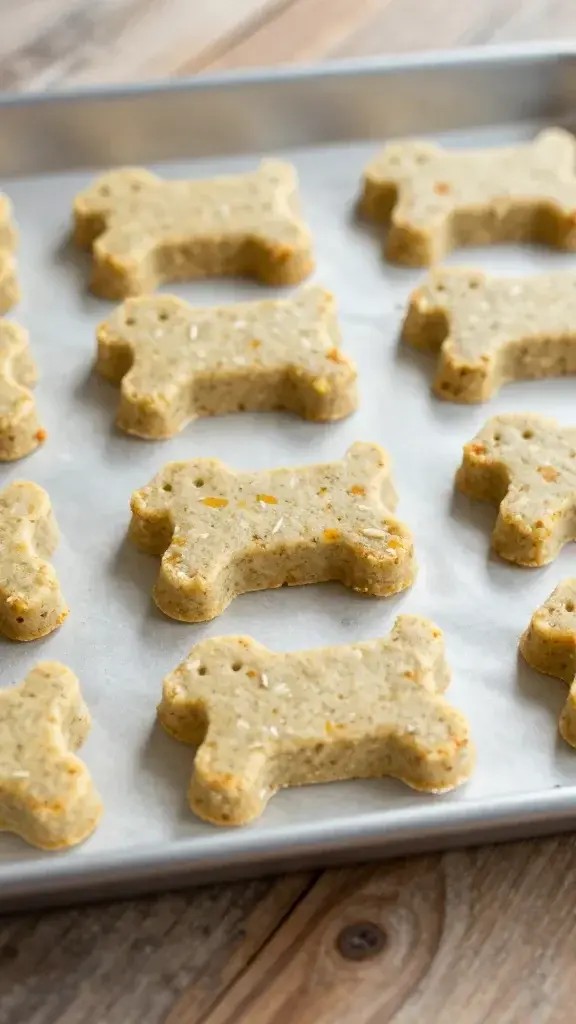
– The key is removing traditional wheat or corn flour and replacing it with good-for-pups ingredients.
– Common substitutes include almond flour, coconut flour, mashed potatoes, pumpkin, oats (gluten-free if needed), or ground meat.
– Not all “flour-free” labels are created equal. Read the ingredient list to ensure there’s real nutrition behind the claim.
Top flour-free bases you can actually make at home
- Meat-and-veggie bites — Ground turkey or beef mixed with finely grated carrot or zucchini, then baked into small rounds.
- Egg-and-cheese chews — Eggs as a binder with a sprinkle of cheese and a dash of parsley for breath-friendly treats.
- Potato-pumpkin crunchies — Mashed potato or mashed sweet potato with pumpkin puree; bake into chewy slabs.
- Nut-and-seed snacks — Almond or cashew flour can star, but skip if your pup has nut allergies; pair with flaxseed for omega-3s.
- Vegetable bites — Spinach, peas, and carrots blended with a bit of peanut butter (xylitol-free, of course) and a binding egg.
Simple do-it-at-home recipe ideas
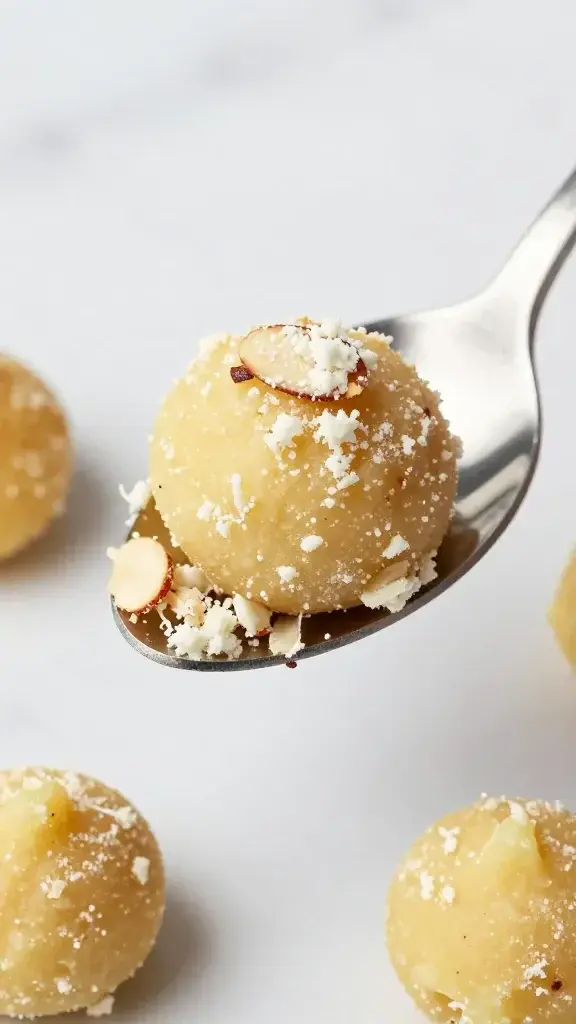
Cheesy turkey bites
– Mix ground turkey with shredded cheddar, a whisked egg, and a handful of finely chopped spinach.
– Scoop small mounds, flatten into mini discs, and bake at 350°F for about 12-15 minutes.
– Let cool completely before offering. These store nicely in the fridge for a few days.
Potato-pumpkin biscuits
– Combine mashed potato or sweet potato with pumpkin puree, an egg, and a bit of parsley.
– Roll into a log, slice into rounds, and bake until edges turn golden.
– Cut into cracker-sized squares for training sessions or snack time.
Texture matters: chewy vs crunchy, what dogs actually prefer
– Chewy treats are often easier on teething puppies and seniors; they also release aroma longer as they chew.
– Crunchy biscuits can help keep teeth clean and make a satisfying snap sound that dogs adore.
– If you’re unsure, try a mixed approach: a soft center with a crisp edge. Your dog will appreciate the variety.
Flavor hacks that dogs actually love
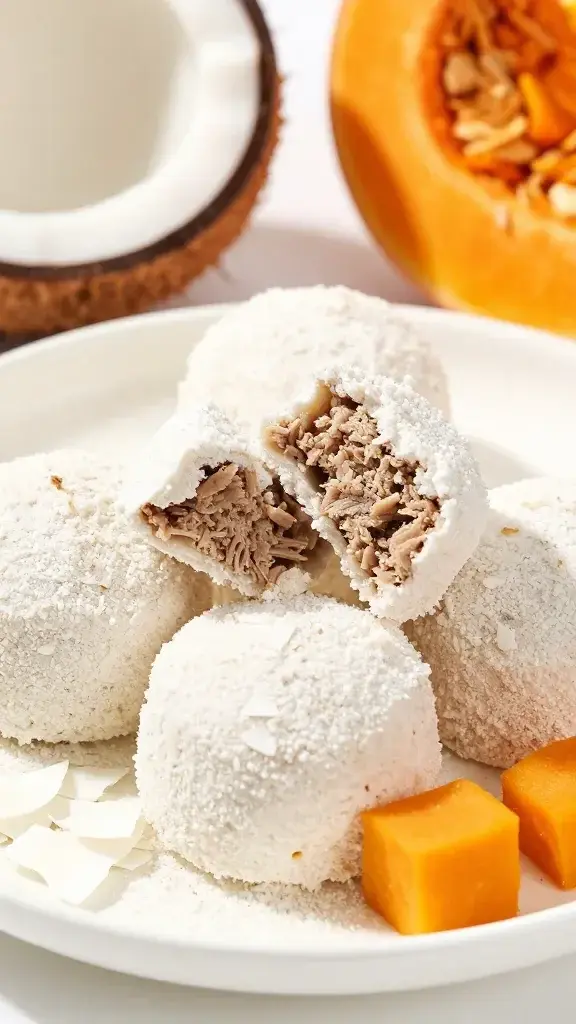
- Protein punch — Use real meat or fish as a main ingredient. Dogs can smell quality from a mile away.
- Cheese and yogurt — A little goes a long way for flavor, but watch dairy if your pup is sensitive.
- Peanut butter (no xylitol) — A classic crowd-pleaser. Always check the label for xylitol, which is toxic to dogs.
- Herbs with bite — A touch of rosemary or parsley adds scent and freshness without overwhelming taste buds.
Allergies and sensitivities: what to watch for
– Grain-free does not automatically mean allergy-free. Some dogs react to proteins (chicken, beef, egg) or dairy.
– Introduce new treats slowly, one at a time, to catch any adverse reactions.
– If your pup has a diagnosed allergy, consult your vet before stocking up on “alternative” treats.
Signs that a flour-free treat isn’t agreeing
– Itchy skin, ear infections, vomiting, diarrhea, or a sudden change in stool could signal trouble.
– If symptoms appear, pause the treats and check ingredient lists for potential triggers.
– FYI: a broad, balanced diet is still the best foundation for a healthy pup.
Buying flour-free treats: tips for a smart shop
- Read the ingredient list with a fine-tooth comb. Look for whole-food ingredients first, not a long list of fillers.
- Check for artificial additives, preservatives, and artificial flavors. Simple is usually better.
- Choose treats sized for your dog’s bite. Training treats should be small enough to pop one or two at a time without overdoing calories.
- Consider your dog’s life stage. Puppies, adults, and seniors have different energy needs and chewing styles.
Portion sizes, frequency, and safety on flour-free diets
– Treats should be a small portion of daily calories. A good rule: treats total no more than 10% of daily intake.
– For small dogs, one or two bites per session might suffice; for large dogs, a handful could be okay for training.
– Always provide fresh water and supervise chewing. No joy is worth a choking risk.
FAQ
Are flour-free treats healthier for dogs with sensitive stomachs?
Not always, but they can be easier to digest if you avoid common triggers like wheat and certain dairy. Start with a single-ingredient option and monitor your pup’s response. IMO, a gentle introduction beats guessing games in the long run.
Can I substitute for all-purpose flour in dog treat recipes?
Yes, you can replace with alternatives like almond flour or coconut flour, but you may need to adjust moisture and binding. Start with a small batch to test texture and add a little more egg or pumpkin if the dough is crumbly. FYI, too much coconut flour can dry things out quickly.
What should I do if my dog hates the texture of a flour-free treat?
Texture matters as much as flavor. Try steaming and mashing veggies for a softer bite, or opt for a crunchy biscuit to suit their preference. Keep a few backup textures on hand so you’re not chasing taste every day.
Are there any flour-free treats I should avoid?
Avoid recipes that use harmful ingredients for dogs, like onions, grapes, raisins, chocolate, and xylitol. Also be wary of overly salty treats—dogs don’t need extra sodium, and too much can be unhealthy.
How should I store flour-free treats?
Most home-made goodies keep 3-5 days in the fridge or up to 2 weeks in the freezer. If you’re buying store-bought, follow the label’s guidance, but generally store in a sealed container away from heat and humidity to preserve freshness.
Conclusion
Dog treats without flour aren’t a gimmick; they’re an opportunity to tailor-snack smarter for your canine sidekick. With the right ingredients, you get flavors that dogs actually crave, texture that satisfies, and options that align with allergies or sensitivities. So yes, you can bake, trust, and spoil your pup—without relying on flour as the star. IMHO, your dog will thank you every time they sniff out a perfectly shaped, flour-free bite. Ready to experiment and find your dog’s new favorite treat? Let’s get baking, buddy.
About the Author

David
Blogger/YouTuber
A guitar nerd, the myth, the legend.