
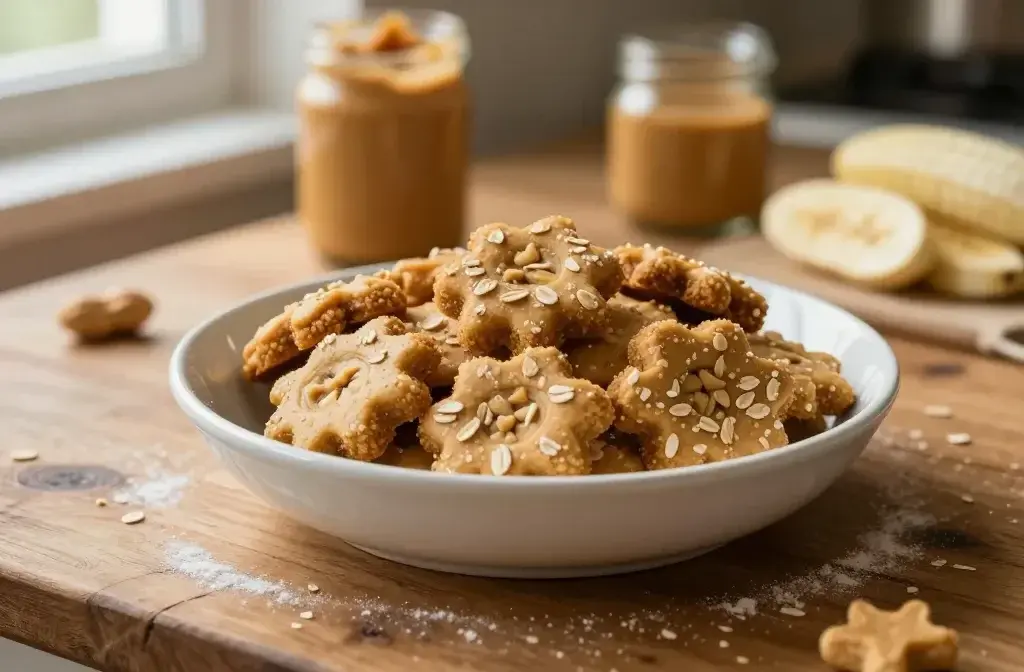
From peanut butter to pumpkin puree, making homemade dog treats is basically edible love letters for your pup. You’ll dodge mystery ingredients, save money, and get to brag about“my dog would rather sniff this than that store-bought treat.” Ready to unleash your inner dog-chef? Let’s dive in.
Why make homemade treats in the first place
What’s the big deal about DIY dog snacks? Simple: you control what goes into them. No questionable preservatives, minimal fillers, and you tailor flavors to your dog’s taste buds. Plus, it’s a fun project you can do on a weekend when your pasta water is boiling and your pup is begging for attention.
– You know the ingredients. No mystery “soy product” shadows haunting the ingredient list.
– You can tailor to dietary needs. Grain-free, low-fat, high-protein? You name it.
– It’s a bonding activity. Your dog sits, watches, and probably judges you with the cutest stare known to dogs.
FYI: not every recipe is a winner on the first try. Dogs have opinions, and so do the chefs who taste-tested these treats. That’s okay—adjust and experiment.
Foundations: safe, simple base recipes
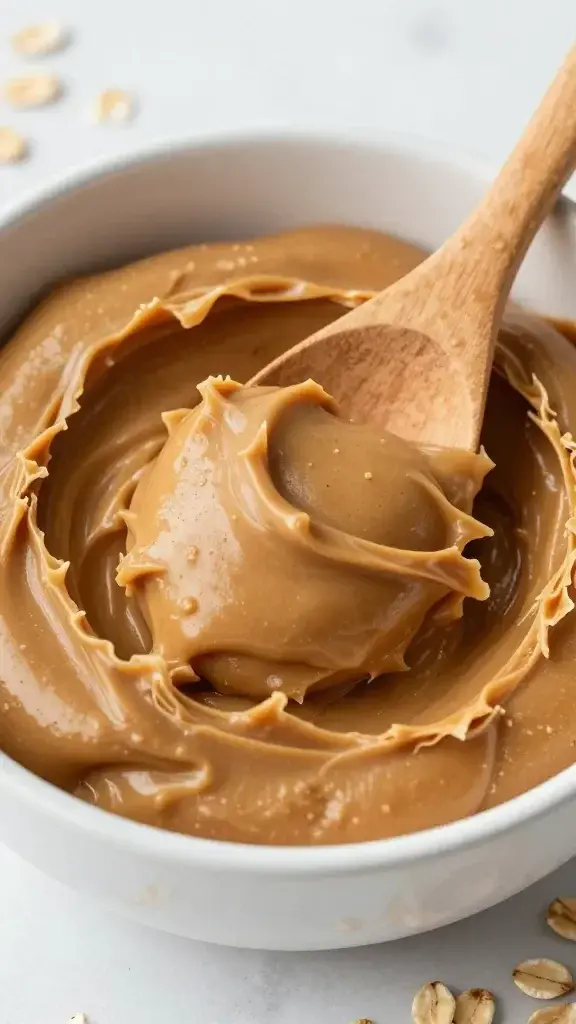
If you’re new to this, start with a couple of solid, basic recipes. They’re forgiving, kid-friendly to make with supervision, and won’t require a full kitchen remodel.
– Peanut Butter & Banana Biscuits: A classic crowd-pleaser. Use dog-safe peanut butter (no xylitol, which is toxic to dogs), mashed banana, eggs, and a bit of oats or whole-wheat flour.
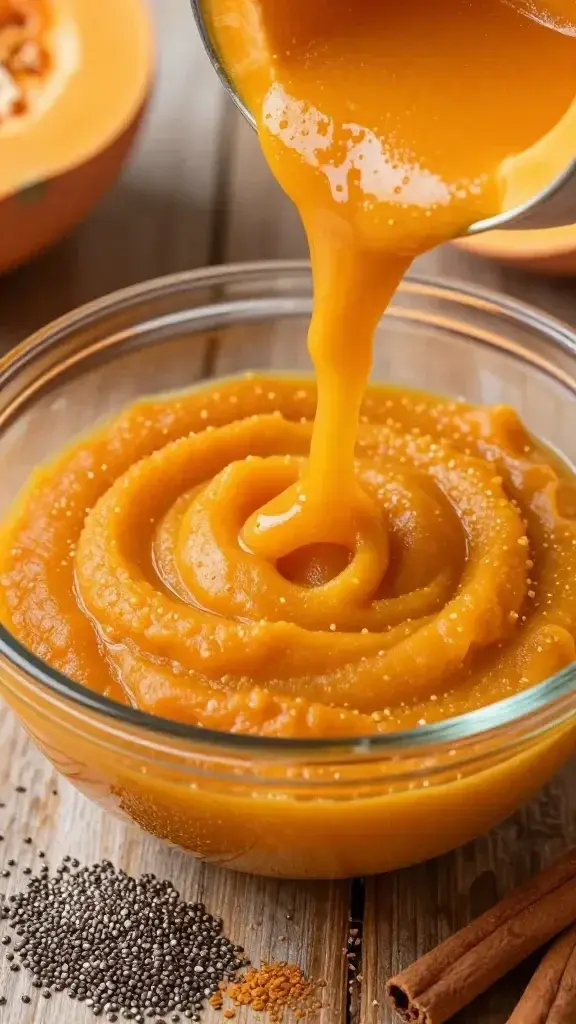
– Pumpkin Power Bites: Canned pumpkin (not pumpkin pie filling) mixed with oats, eggs, and a splash of water. Roll into balls or flatten into a sheet and cut shapes.
– Chicken & Rice Treats: Cooked chicken, rice, and a binding agent like mashed potato or egg. Rolled into small rounds so your dog can snack pleasantly.
Key tips:
– Always check for xylitol in peanut butter. If you’re unsure, buy a jar labeled “xylitol-free.”
– Bake time can vary by oven and pan type. Start with the minimum and extend in small increments.
– Let cool fully before offering to your dog. Hot treats = happy tongues, and possibly a burnt mouth.
Flavors dogs actually go crazy for
Dogs aren’t picky in the way humans are about culinary adventures, but they do have favorites. The trick is to mix familiar flavors with a little novelty to keep things interesting.
– Savory loves: chicken, turkey, beef, cheddar (in small amounts), and spinach for a veggie twist.
– Sweet-but-safe: pumpkin, banana, apple (no seeds), yogurt (unsweetened, plain).
– Texture matters: firm biscuits for chewing, softer bites for training rewards, and crunchy for a satisfying snap.
H3: Subtle add-ins you can try
– A splash of unsweetened applesauce for moisture.
– A pinch of cinnamon (in tiny amounts) for flavor, not as a main peppery note.
– Finely grated carrot or zucchini for fiber and moisture.
Remember, moderation is key. Treats should complement meals, not steal the show.
Texture and shape: how to present treats that actually get eaten
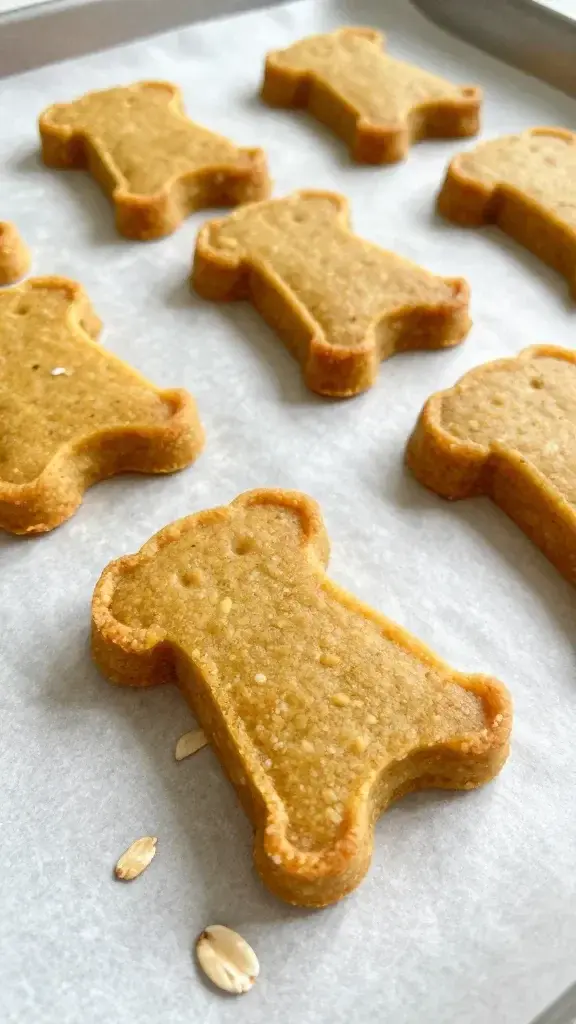
If your pup ignores round biscuits but goes bonkers for stars or hearts, listen to their taste buds. Shape can dramatically impact whether a treat gets eaten or tossed aside like a broken toy.
– Use cookie cutters for fun shapes. It’s cute, it’s shareable, and your dog doesn’t care about aesthetics—just the smell.
– Adjust texture with moisture: more egg or pumpkin makes softer treats; less keeps them crunchier.
– Size matters for training: tiny bite-sized pieces for quick rewards; bigger ones for longer chew sessions.
H3: Tools that help
– Rolling pin, cookie cutters, and a sturdy baking sheet.
– A silicone mat helps with cleanup and prevents sticking.
– An oven thermometer so you’re not guessing at temperature.
Nutritional guard rails: what to avoid and what to watch for
Your dog’s tummy isn’t as forgiving as yours after a cheese-heavy snack. It’s worth paying attention to what’s safe and what isn’t.
– Safe staples: plain chicken, plain yogurt, oats, brown rice, pumpkin, carrots, pumpkin seeds.
– Things to avoid: chocolate, onions, garlic in large amounts, grapes, raisins, macadamia nuts, xylitol, alcohol, and any raw dough that could rise in the stomach.
– Allergies and sensitivities: dogs can be allergic to grains, dairy, or specific proteins. Start with one new ingredient at a time and watch for itching, vomiting, or diarrhea.
H3: How to introduce new flavors safely
– Start with a small batch. If your dog handles it well for a few days, you’re probably in the clear.
– Keep portions modest. Treats should be a small percentage of daily calories.
– If you suspect a food allergy, pause and test one ingredient at a time.
Batch cooking: saving time and keeping things simple
Batch cooking makes life easier. You’ll have a stash for weeks, no frantic trips to the pet store when you’re in a rush, and you can dodge the impulse drive-thru at 9 p.m.
– Plan your recipes around the same base. For example, a base dough with pumpkin can become savory by swapping in chicken shreds or adding grated cheese.
– Freeze in portions. Use ice cube trays or small zip-top bags for easy grab-and-go.
– Label clearly. Date and flavor so you don’t mistake last month’s batch for today’s snack.
H3: Freezing and shelf life
– Most homemade dog treats stay fresh in the fridge for about a week.
– Freeze for up to 3 months in a well-sealed container.
– Thaw at room temperature or in the fridge before feeding.
DIY gift ideas: treats as a thoughtful present
Friends with dogs love goodies almost as much as their furry friends do. Turn your treats into a little package that says you care.
– Seasonal gift boxes: a cinnamon-spiced biscuit in a cute tin for winter, or pumpkin-carrot bites for fall.
– Custom labeling: add your pup’s name on the bag and a fun “made with love” note.
– Pair with a chew toy or a small bottle of dog-safe shampoo for a complete pampering kit.
H3: How to present them
– Small, labeled pouches with your dog’s face sticker is adorable.
– Include a serving suggestion: “2 biscuits per snack, 1-2 times daily.”
– Add a quick care tip: “Store in the fridge for 5-7 days.”
FAQ: answers to common questions
Can I use regular store ingredients for homemade dog treats?
Yes, but read labels carefully. Avoid xylitol and ensure your ingredients are dog-safe. If you’re unsure about an ingredient, skip it and choose a dog-safe alternative.
How often can I give homemade treats?
Treats should be occasional. A rough rule of thumb is no more than 10% of daily calories from treats. For smaller dogs, that means a few bites; for larger dogs, a handful spread out through the day.
My dog has a sensitive stomach. Any tips?
Start with simple recipes with one protein and one carbohydrate. Avoid dairy if lactose-sensitive. Introduce slowly and watch for signs of distress. If you see issues, pause and consult a vet.
What about training with homemade treats?
Great idea. Use small, uniform pieces that you can quickly hand to your dog during sessions. This keeps training sessions moving and helps your pup stay focused.
Are there any safety concerns with baking for dogs?
Yes: avoid salted doughs, chocolate, onions, garlic, and anything with sugar at high levels. Ensure the final product is fully cool, as hot treats can burn mouths. Always supervise your dog during treat time.
Conclusion
Homemade dog treats are more than a snack; they’re a chance to connect with your pup through food you control and flavors they actually enjoy. Start small, keep safety in mind, and let your kitchen become your dog’s new favorite hangout. With a little planning, you’ll have tasty rewards, a thrilled dog, and a few extra bragging rights at the next dog park meetup. IMO, there’s nothing sweeter than watching your buddy chow down on something you whipped up with love.
If you’re feeling inspired, grab a couple of basic ingredients, pick a recipe, and start experimenting. Your dog will thank you with wagging tails, happy sighs, and that look that says, “You’re the best chef in the world.” Ready to bake? Let’s get those treats into the oven and your pup into snack heaven.
About the Author

David
Blogger/YouTuber
A guitar nerd, the myth, the legend.