
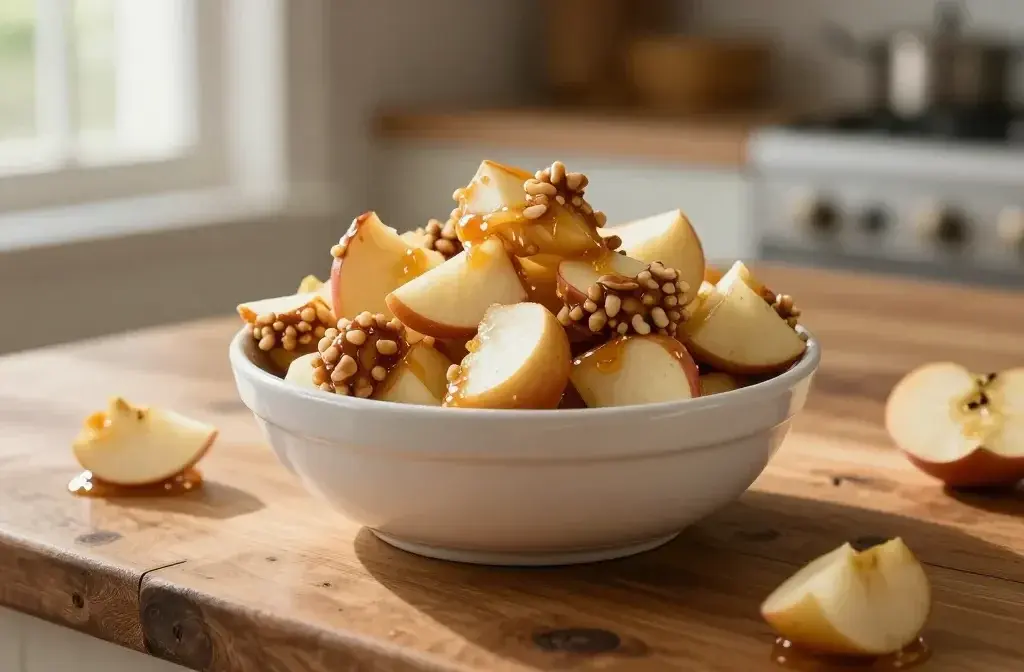
The moment your pup sniffs the air and spots the apple slice you dropped, you know you’re onto something tasty. Apple dog treats aren’t just cute snacks—they’re a crunchy, chewy, totally doable way to treat your furry buddy. Let’s dive into the orchard-fresh world of apple bites, and why they’re a reliable go-to for many of us.
Why apples are a winner for dogs
Apples bring a lot to the party. They’re low in fat, high in fiber, and packed with vitamins like A and C. FYI, they also give your dog a satisfying crunch that satisfies that instinct to chew. The best part? You control the ingredients, so you steer clear of the junk you don’t want.
– Easy to access: apples are cheap, available, and you can slice them into bite-sized pieces in minutes.
– Natural sweetness: dogs love that fruity flavor, and you’re skipping most artificial stuff you might find in store-bought chews.
– Hydration boost: crisp apple slices have water content that helps with hydration on a hot day.
DIY apple treats you can make tonight
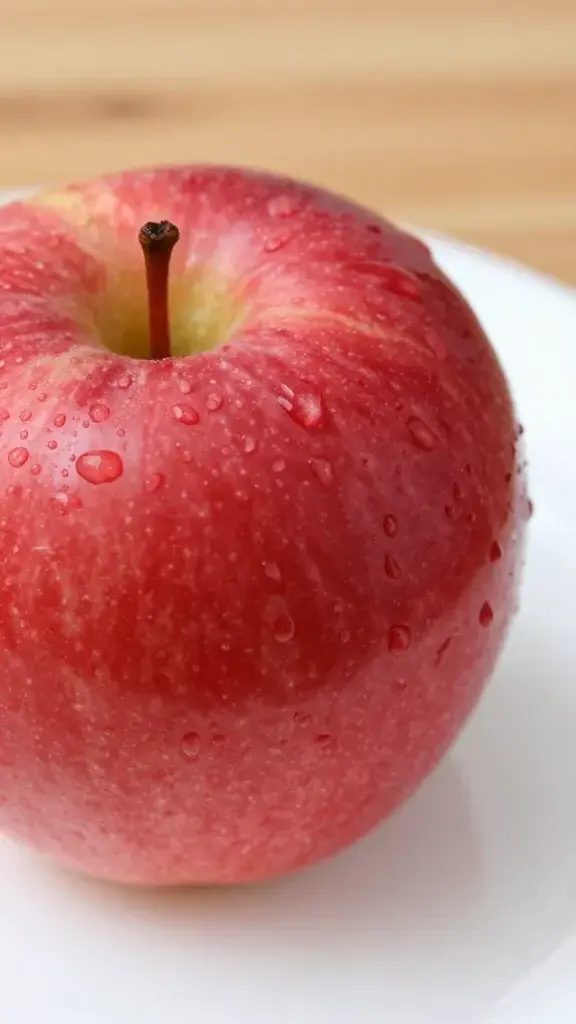
If you like a little kitchen prep and a lot of compliments, making apple-based treats at home is your jam. You don’t need a food science degree—just clean ingredients and a dash of creativity.
Simple baked apple nibbles
– Core and slice apples into small chunks.
– Toss with a tiny drizzle of honey (optional) and a pinch of cinnamon.
– Bake on a sheet at 350°F (175°C) for 15-20 minutes, then cool completely.
Why this works: baking concentrates flavor, the texture becomes a chew that dogs adore, and you control sugar. If your pup has a grain allergy, skip any added oats or flour in other recipes—keep it simple.
Freeze-a-tresh treats for a hot day
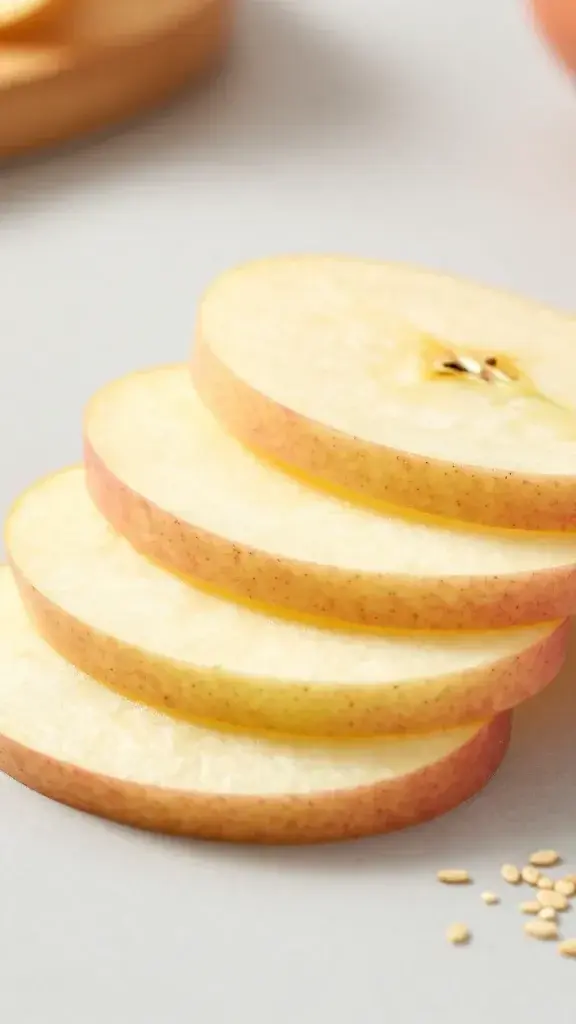
– Slice apples thinly and lay them on a parchment-lined tray.
– Freeze until solid, then bag them up for a quick, icy treat.
Why freeze? Cold treats feel extra satisfying on warm days, and they can help with teething puppies or dogs who love a good crunchy challenge.
Commercial options vs. homemade vs. store-boughts
You don’t have to choose one path forever. Each option has its perks, and you can mix and match based on your schedule and your dog’s taste buds.
– Commercial treats: convenient, consistent, and often fortified with vitamins. Look for simple ingredient lists and minimal added sugars.
– Homemade treats: fully controllable, customizable, and the bragging rights are real. You can tailor to allergies or sensitivities.
– Store-bought but “natural” options: great middle ground if you’re in a hurry, just read labels and avoid artificial sweeteners like xylitol (yes, that’s toxic to dogs).
Allergies, sensitivities, and safety concerns
Every dog has a unique dietary story. Apples are generally safe in moderation, but don’t go overboard. Even healthy foods can cause GI upset if introduced too fast or in large amounts.
– Watch for signs of trouble: vomiting, diarrhea, or a sudden craving for more fruit than usual. If it lasts more than a day, check in with your vet.
– Introduce gradually: a few tiny pieces first, then slowly increase if your pup handles it well.
– No xylitol, please: it’s a no-go in any pet snack. FYI, many flavored products sneak in sugar alcohols you should avoid, so read labels carefully.
Flavor pairings that dogs actually love
Apples pair beautifully with other dog-friendly flavors. You can get creative without turning your kitchen into a chew toy battlefield.
– Peanut butter and apples: a classic combo that hits the sweet-savory sweet spot.
– Cinnamon (in small amounts) and apples: adds warmth without overwhelming the palate.
– Carrot and apple medley: extra crunch and color.
Flavor safety checklist
– Check ingredients for hidden junk like high-fructose corn syrup.
– Keep portions kid-sized; dogs don’t multitrack snack efficiency like humans.
– If you’re borrowing flavor ideas from human baking, swap out any chocolate, grapes, or raisins. Those are not friends of dogs.
How to store apple treats so they stay tasty
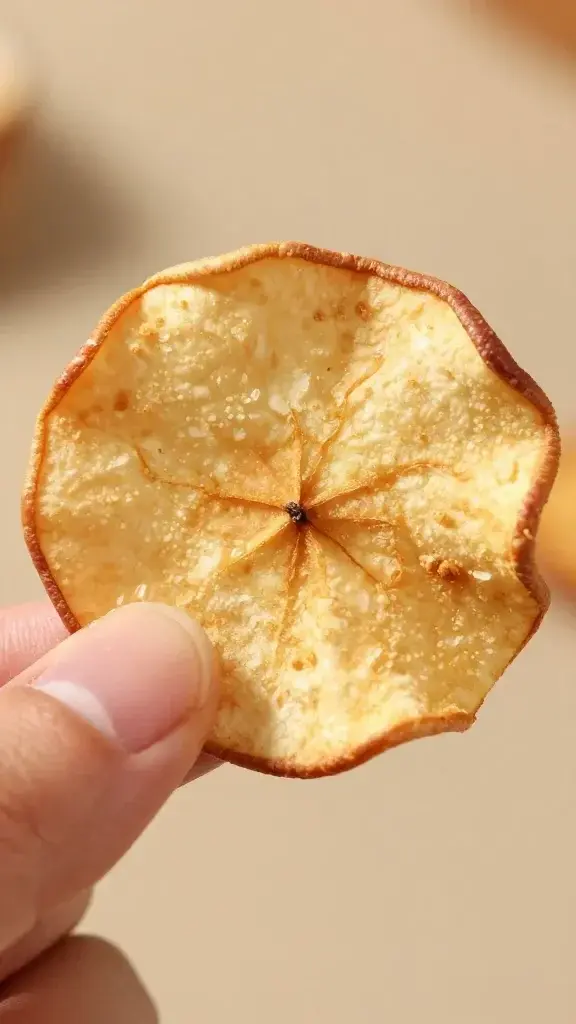
Storing properly makes a huge difference in texture and flavor. You don’t want hard, stale treats or, worse, soggy ones that lose their charm.
– Short-term: keep homemade baked pieces in an airtight container for up to a week.
– Longer-term: freeze portions in labeled bags. They thaw quickly, which is perfect for a mid-day pep talk with your pup.
– Beat the moisture: if you notice soggy edges, spread them out during storage or re-crisp in a low oven for a few minutes.
Real talk: what if your dog is picky?
Pups can be notoriously finicky about texture or flavor. Don’t panic. You can still win them over with a few tricks.
– Texture experimentation: some dogs want a crisp bite, others prefer a chewy chew. Try slices, small chunks, or lightly baked morsels.
– Size matters: if you offer big chunks, cut them smaller. Tiny puppies don’t chew the same way as big dogs.
– Flavor tweaking: a touch of peanut butter or a whisper of cinnamon can make apples irresistible for picky eaters.
FAQs
Are apples actually good for dogs?
Yes, in moderation. Apples provide fiber and vitamins, and the natural sweetness is typically a hit with pups. Just remove the core and seeds, and keep portions reasonable to avoid tummy troubles.
How much apple can I give my dog?
A good rule of thumb is a few small pieces for small dogs, a few more for medium, and up to a small handful for large dogs—depending on their overall calorie intake. Always factor in the apples as part of daily treats and not as a full meal.
Can I feed my dog apple-flavored commercial treats?
You can, but read the label. Look for real apple as a primary ingredient and skip products with lots of artificial additives or xylitol. If you’re unsure, stick to simple, dog-safe recipes you control.
What signs should I watch for after giving apples?
Watch for GI upset—diarrhea, vomiting, or gas that lasts longer than a day. If you notice unusual symptoms or your dog has a known sensitivity to apples, pause and chat with your vet.
Can puppies safely eat apples?
Yes, in small amounts and when the seeds and core are removed. Puppies have delicate tummies, so introduce apples slowly and monitor their reaction. If you have a tiny pup, cut into even smaller bites to avoid choking hazards.
Conclusion
If you love sharing a snack with your dog, apples are basically a win-win. Fresh, crunchy, and endlessly adaptable, they let you tailor treats to your dog’s tastes and any dietary needs. FYI, a little planning goes a long way—start with simple, safe recipes and graduate to more elaborate ones as your pup’s palate grows. So next time you raid the fruit bowl, consider turning those apples into a batch of homemade glory for your four-legged friend. Invite a buddy over to swap recipe ideas, and your dog will be the star of the show.