
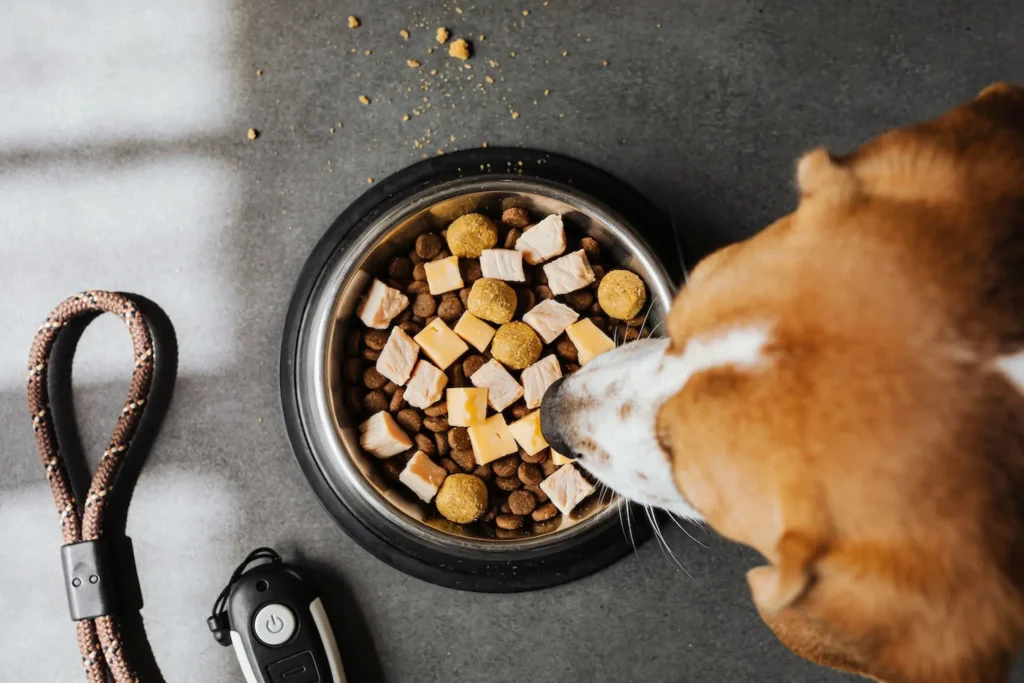
Beagles look like floppy-eared angels, then suddenly pretend they can’t hear their own name when a squirrel appears. So, are Beagles easy to train? Short answer: they’re not the hardest, but they definitely aren’t Labradors. Beagles learn fast, but they only care if you make it worth their while. If you want honesty and a game plan, you’re in the right place.
Beagle Brains: What You’re Working With
Beagles rank high in intelligence, just not the “I’ll do whatever you say” kind. They’re scent hounds, which means they follow their nose like it’s the Wi‑Fi and you’re asking them to turn it off. That nose drove their breeding: persistence, independence, and stamina.
Translation: they know exactly what you want; they just need a reason to do it. You’ll get the best results when you reward generously, keep sessions short, and use their nose to your advantage.
Are Beagles Easy to Train? The Honest Answer
Beagles sit somewhere in the “trainable with effort” category. They’re not stubborn to be difficult; they’re stubborn because their instincts scream “track that smell!” If you try drill-sergeant training or get impatient, they’ll check out.
Here’s the real deal:
- Consistency matters more than intensity. Daily 10-minute sessions beat one long weekend cram.
- Rewards need to be high-value. Think tiny bits of chicken, cheese, or soft training treats.
- Distractions will ruin progress early on. Start indoors, then build up to the backyard, then the park.
- Patience saves your sanity. Beagles mature slowly, and they test limits. IMO, they’re worth it.
Core Training Goals That Actually Work
You don’t need a circus act; you need reliable basics. Focus on these first.
1) Name Recognition and Focus
Teach your Beagle that their name predicts something awesome. Say their name once, and when they look at you, reward immediately. No repeat name spam; they’ll just tune it out.
2) A Rock-Solid Recall
Beagles and off-leash freedom mix like oil and water. Build recall carefully:
- Use a long line in a quiet area.
- Call once with a happy tone, kneel, open arms, reward big-time for coming.
- Gradually add mild distractions. Never call if you think they won’t come.
Pro tip: keep a “jackpot” reward only for recall. Your dog should think, “When I hear ‘come,’ the snack bar explodes.”
3) Leave It and Drop It
Beagles snatch everything. Teach “leave it” for stuff on the ground and “drop it” for stuff already in their mouth. Trade with something better. No tug-of-war with underwear, please.
4) Loose-Leash Walking
Beagles love to pull because every smell is urgent. Use a front-clip harness, change direction when they pull, and reward when the leash stays slack. It’s not glamorous, but it works.
Motivation: Make Their Nose Work for You
Beagles think with their nose first and their ears second. Use scent-based games to burn energy and build obedience.
- Scatter feeding: toss kibble in grass and let them “hunt” for dinner. Mental workout = calmer dog.
- Find it: hide treats in the house, then cue “find it” and celebrate like they found buried treasure.
- Sniff breaks: on walks, add structured sniffing time as a reward for good leash behavior.
Training Currency: What Pays Best?
Every Beagle has a “currency.”
- Food-driven: use tiny, soft treats and mix values (kibble, cheese, chicken). Variety keeps interest.
- Toy-driven: rarer for Beagles, but if they love a squeaky toy, use it.
- Sniff-driven: reward with a sniff break. “Heel for 10 steps, then sniff the bush.” Fair deal, IMO.
Common Training Challenges (And How to Fix Them)
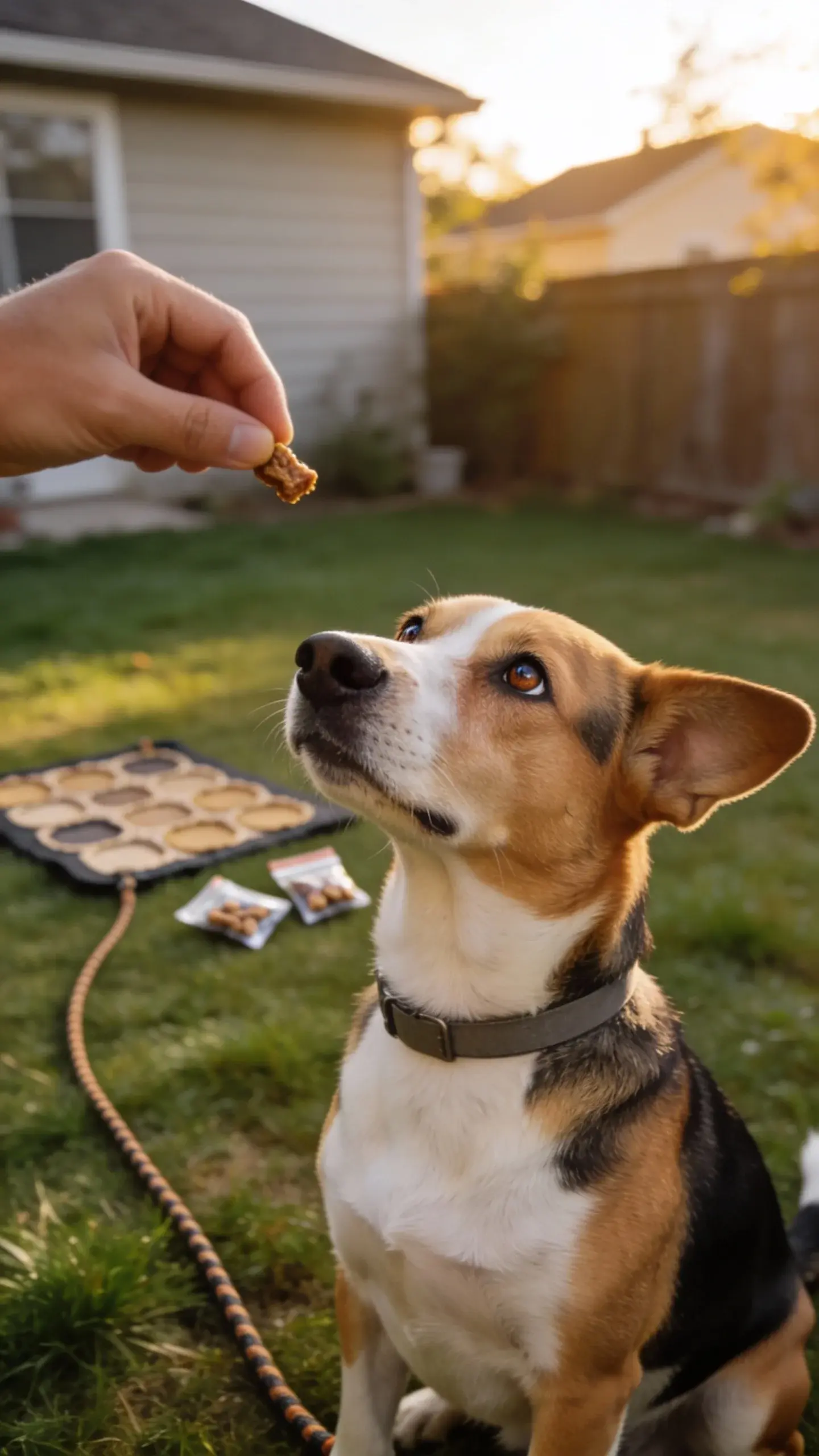
Let’s call out the usual suspects.
Selective Hearing
Your Beagle hears you. They just rank smells higher. Keep cues crisp, reward heavily, and train in low-distraction settings before going public. Also: don’t repeat cues. Say it once, then help them succeed.
Excessive Barking or Howling
Beagles vocalize. It’s part of the package. Teach a “quiet” cue by marking and rewarding the moment they pause. Also meet their needs: exercise, sniffing, and mental work reduce “I’m bored” concerts.
Bolting Out Doors
Install a “wait” at thresholds. Approach door, ask for sit/wait, crack door a bit, reward for staying, then release with “okay.” Practice daily. Don’t trust a Beagle with an open door until this is boringly solid.
Counter-Surfing
Management first. Keep food off counters, use closed bins, and block access when you can’t supervise. Train an incompatible behavior like “go to mat” during meal prep.
House Training and Crate Training
House training a Beagle requires a routine and, yes, patience. Keep it simple:
- Take out after waking, eating, playing, and every 2–3 hours.
- Reward within two seconds of “going” outside.
- Supervise indoors or use a crate/playpen to prevent accidents.
Crates help a ton. Make it cozy, feed meals in there, and never use it as punishment. If your Beagle whines, wait for a second of quiet before letting them out. Otherwise, they train you.
Accidents Happen
Clean with an enzymatic cleaner so the scent doesn’t draw repeat business. If accidents continue, increase outdoor trips and review your schedule. It’s not spite; it’s timing.
Daily Exercise: The Secret Sauce
A tired Beagle makes better choices. You won’t out-run their nose, but you can outsmart it.
- Two walks a day with purposeful sniff time.
- Short training games sprinkled through the day (3–5 minutes each).
- Food puzzles and snuffle mats for meals.
- Safe chew options to satisfy that busy mouth.
When to Get Help
If you feel stuck, bring in a reward-based trainer who knows hounds. Group classes help with distraction training and social manners. FYI, your Beagle will try to embarrass you in class. Laugh it off and keep going.
FAQ
Do Beagles need professional training?
Not mandatory, but very helpful. Beagles benefit from structure and socialization, and a good trainer shows you how to motivate a scent-focused dog. Look for someone who uses positive reinforcement and understands hound quirks.
Can Beagles be off-leash?
In safely fenced areas, sure. In open spaces, it’s risky. Their nose can override recall in a heartbeat. If you crave off-leash freedom, use a secure field, a long line, or invest heavily in recall training and still choose your moments wisely.
How long should training sessions be?
Keep them short and sweet: 5–10 minutes, a few times a day. End on a win, reward generously, and switch activities before your Beagle taps out. Quality over marathon sessions.
What treats work best for Beagles?
Soft, smelly, small. Think pea-sized bits of chicken, cheese, or training-specific treats. Rotate flavors to avoid boredom. Reserve the best stuff for tough cues like recall.
Are Beagles good for first-time owners?
Yes, if you like a challenge and have a sense of humor. They’re affectionate, funny, and loyal, but they need patience, management, and consistency. If you want a people-pleaser, look elsewhere. If you want a character, welcome to the club.
Why does my Beagle ignore me outside?
Distractions. Outdoors smells like a thousand hot dog carts. Lower the difficulty: increase distance from triggers, use a long line, pay with better rewards, and practice focus games. It’s not defiance; it’s biology.
Conclusion
Beagles aren’t “easy,” but they’re absolutely trainable when you play to their strengths. Use food, sniffing, and short, fun sessions. Manage the environment, stay consistent, and don’t take setbacks personally. Do that, and you’ll turn your delightful nose-on-legs into a well-mannered adventure buddy—stubborn streak and all. IMO, the personality payoff is worth every cheese cube.