

Beagles win people over with those big brown eyes and floppy ears—no argument there. But are they actually a smart pick for first-time dog owners? Short answer: yes, if you know what you’re signing up for. They’re joyful, social, and sturdy, but they also come with a side of stubborn and a nose that runs the show. Let’s break down what living with a beagle really looks like, no sugarcoating.
The Beagle Personality: Sweet, Social, and a Little Stubborn
Beagles are friendly extroverts. They love people, kids, and most other dogs. If you want a cuddly companion who greets guests like they’re long-lost friends, you’re in luck.
But here’s the twist: beagles are scent hounds. Their nose rules their brain. They don’t ignore you to be rude; they literally smell something more interesting. Stubbornness + superpowered nose = training with patience. It’s manageable, but you’ll work for it.
What They Do Best
- Companionship: Velcro-level affection without being clingy.
- Playfulness: Great for families and active singles.
- Adaptability: Apartments or houses, they can do both with enough exercise.
Energy and Exercise: More Than a Cute Couch Potato
A tired beagle is a good beagle. A bored beagle? That’s a shoe-shredding, escape-artist beagle. Plan for 60–90 minutes of activity daily. Walks, sniffaris, and play sessions keep them sane.
Daily Exercise Breakdown
- Two walks (20–30 minutes each), with sniff time.
- Short training sessions (5–10 minutes) to engage their brain.
- Playtime: Tug, fetch, or a puzzle feeder.
Got a yard? Awesome. But fencing must be secure and high. Beagles follow scents, dig, and squeeze through gaps with Houdini-level determination. FYI: a beagle off-leash in an unfenced area is a flight risk. Their recall works until a squirrel shows up.
Training a Beagle: Food Is Your Friend
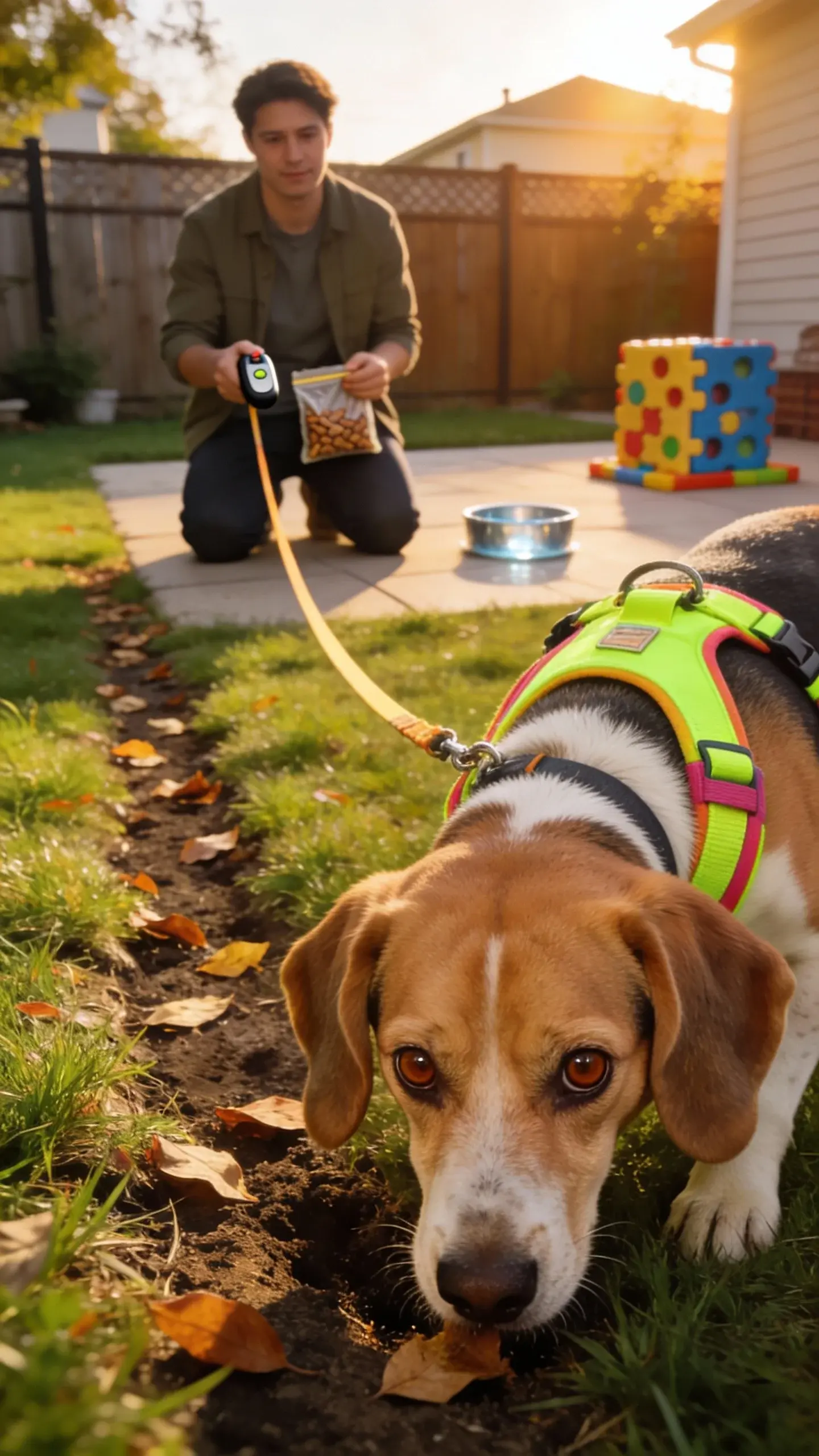
Beagles learn quickly when their paycheck includes snacks. Without food rewards, they negotiate like lawyers. Use positive reinforcement and keep sessions short and fun.
Training Must-Haves
- High-value treats: Think tiny bits of chicken or cheese.
- Consistency: Same cues, same rules, every time.
- Leash skills: Teach loose-leash walking early.
- Impulse control: “Wait,” “leave it,” and “come” save your sanity.
Crate training helps with housetraining and prevents mischief. Beagles can be vocal, so teach a “quiet” cue and reward calm behavior. IMO, obedience classes are gold for first-time owners—you’ll both learn faster.
Beagle Noise Levels: The Bay Is Real
Yes, beagles bark. They also bay—a deep, echoey hound sound that neighbors remember forever. They use it to announce the mail, the wind, and sometimes nothing at all.
How to Manage the Noise
- Exercise: Burns off energy that turns into barking.
- Enrichment: Food puzzles, snuffle mats, and scent games.
- Training: Reward quiet moments and teach an “enough” cue.
If you live in a sound-sensitive building or with noise-averse roommates, consider this carefully. It’s not a deal-breaker for everyone, but you can’t “train away” a beagle’s voice entirely.
Grooming and Shedding: Low Maintenance, Not No Maintenance
That short coat fools people. Beagles shed year-round, with heavier blowouts seasonally. The good news: grooming takes minutes.
Grooming Basics
- Brushing: 2–3 times weekly with a rubber curry brush.
- Ears: Clean weekly—floppy ears trap moisture and can get infected.
- Nails: Trim every 2–4 weeks.
- Teeth: Brush 2–3 times a week (daily if you can swing it).
They’re not smelly dogs if you keep ears clean and baths occasional. Mud? That’s a different story. They love a good outdoor adventure.
Health and Lifespan: What to Watch For
Beagles generally live 12–15 years and stay sturdy. They’re a healthy breed overall, but a few things pop up more often:
- Ear infections from trapped moisture.
- Obesity—they love food and will finesse extra calories.
- Allergies—skin and environmental.
- Hip dysplasia and patellar luxation (less common, but possible).
- Hypothyroidism in middle age.
Work with a reputable breeder or rescue. Ask about genetic testing and health clearances. And keep them lean—extra weight shortens lifespan and wrecks joints. FYI: beagles are world-class counter-surfers. Manage the kitchen like you’re living with a tiny raccoon.
Beagles and Families: Kid-Friendly, Dog-Friendly
Beagles play well with kids, especially school-age ones who understand boundaries. Their size (20–30 pounds) and sturdy build make them less fragile than toy breeds.
Setting Everyone Up for Success
- Teach kids to respect space and handle gently.
- Supervise interactions with small children.
- Socialize early with other dogs and people to keep that friendly streak strong.
They usually get along with other dogs. With cats? It depends. Many do fine if raised together, but that prey drive can kick in. Introductions matter.
Daily Life with a Beagle: The Realistic Picture
Imagine a roommate who loves you, steals your snacks, and shouts at the window sometimes. That’s a beagle. You’ll laugh a lot. You’ll also baby-proof your trash can.
Home Setup Tips
- Secure trash and food—lids, cabinets, the works.
- Use baby gates to manage access while training.
- Rotate toys to prevent boredom and destruction.
- Stick to routines for meals, walks, and training.
If you work long hours, plan for a midday walk or doggy daycare a few days a week. A lonely, bored beagle gets creative in ways you won’t love.
FAQ
Are beagles easy to train for first-time owners?
Yes—if you use food rewards and stay consistent. They’re smart and motivated, but their nose distracts them. Keep sessions short, fun, and frequent. Obedience classes help a ton, IMO.
Do beagles do well in apartments?
They can, with enough exercise and mental stimulation. The bigger concern is noise. If your building hears everything, teach quiet behaviors early and tire your dog out daily.
Can I let my beagle off-leash?
Not in unfenced areas. Their recall can crumble the second a scent hits. Use long-lines in open spaces or stick to fenced parks. Safety first.
How much do beagles eat, and do they beg?
They eat modest portions but act like they’re starving. Measure meals, limit treats, and use puzzle feeders. Begging becomes a habit fast—don’t feed from the table unless you want a tiny, vocal dinner companion forever.
Are beagles good with kids?
Generally, yes. They’re patient, playful, and sturdy. Supervise with toddlers, teach respectful handling, and give the dog a quiet zone to retreat to when play gets too rowdy.
How much do beagles shed?
More than you’d expect from a short coat. Regular brushing controls the fluff. It’s manageable, but if you want a zero-shed dog, this isn’t it.
Conclusion
Beagles make fantastic first-time dogs for people who want a cheerful, social companion and don’t mind putting in the training reps. They’re affectionate, hilarious, and endlessly curious. If you can handle the voice, the nose-led wanderlust, and a little stubborn streak, you’ll get a loyal buddy who brightens every day. IMO, for the right owner, a beagle is 100% worth the effort—just lock the trash can and embrace the sniff life.