

Dogs don’t just want snacks; they want treats that don’t punch their tummies in the gut. If your pup has a sensitive stomach, you’re probably juggling endless ingredient lists and a handful of mysterious stomach noises at 3 a.m. Spoiler: you can find options that keep things calm and still taste like victory. Let’s break it down, friend.
Why sensitive stomachs deserve thoughtful treats
When a dog’s tummy acts up, treats can feel like a risky upgrade rather than a reward. Sensitive stomachs react to big changes, fillers, and certain protein sources faster than you can say “fetch.” The good news: with a little detective work, you can pick treats that nourish, soothe, and still make your pup do the wiggle dance.
– Common culprits: high-fat content, artificial additives, dairy, wheat, and novel proteins that aren’t well tolerated by your dog.
– The goal: easy-to-digest ingredients, simple formulas, and uniform portions that don’t overwhelm the gut.
What to look for on ingredient labels
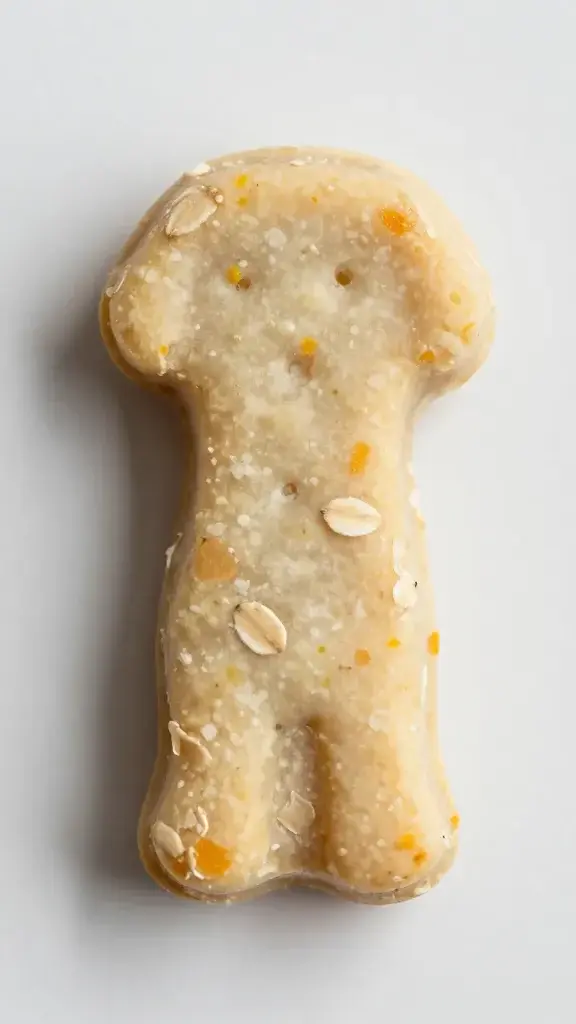
Choosing the right treat starts with reading the label like it’s a treasure map. Here’s what actually matters.
– Simple, recognizable ingredients: meat (or fish), a single starch, and a short ingredient list.
– Limited ingredients = fewer potential triggers. Think turkey, salmon, sweet potato, or rice.
– No fillers you can’t pronounce: avoid excessive gums, by-products you can’t identify, and artificial colorings or flavors.
– Clear protein source: if your dog has a known allergy, pick a treat built around that protein.
How to spot good fats
Healthy fats matter, but too much fat at once can irritate a sensitive stomach.
– Look for moderate fat levels. If the bar reads “high fat” and your pup can’t tolerate it, grin and pass.
– Omega-3s from fish are nice for coats and digestion, but avoid heavy, greasy options that could upset the gut.
– If in doubt, choose a product that lists a specific source of fat (like “salmon oil”) rather than vague “meals.”
Choosing between chews, biscuits, and jerky
Your dog didn’t pick the flavor; you did. But the form of the treat matters for sensitive stomachs.
– Jerky: protein-forward, usually easy to digest, but check for added flavors, preservatives, and high salt.
– Biscuits: great for training and chunk-friendly, but watch out for wheat, corn, and dairy ingredients.
– Chews and dental treats: help with cleanup, but some contain fibers or starches that can be tough on delicate guts.
- Start simple: one protein, one carbohydrate, no extras.
- Mute the spice: avoid pepper, strong herbs, or smoke flavorings.
- Consider texture: softer treats are gentler on a sensitive stomach than hard, brittle ones.
Top protein options for sensitive stomachs

Protein choice often matters more than you’d guess. If your pup’s tummy hates a certain protein, you’ll know quickly.
– Turkey and lamb: usually gentle and easy to digest.
– Salmon and whitefish: good for skin, often easier on digestion, but watch for fishy aftertaste if your dog is picky.
– Duck and venison: great for dogs with allergies to the usual chicken or beef, but confirm tolerance first.
Testing strategy: how to introduce a new protein
– Introduce one protein at a time. If your dog tolerates it for a week with no issues, you’re golden.
– Start with small treats and scale up gradually.
– If you see gas, diarrhea, or vomiting, pause and reassess with a simpler option.
Fiber, probiotics, and gut-supporting goodies
Sometimes a gentle gut needs a little extra help beyond protein choices.
– Fiber helps bulk up stools and keeps things moving smoothly. Look for pumpkin, beet pulp, or sweet potato in the ingredient list.
– Probiotics can support microbiome health. Some treats include added probiotics; these can be a nice bonus, but aren’t a magic fix.
– Prebiotics (like inulin) feed the good bacteria. Read labels to see if they’re included and in what amount.
When to consider supplements
– If your vet recommended a specific probiotic or prebiotic, you can look for treats that align with those guidelines.
– Don’t double-dip: avoid giving extra supplements unless your veterinarian says it’s okay.
– FYI: treats aren’t a substitute for a veterinarian-approved diet if your dog has ongoing GI issues.
Practical tips for trial and error with a sensitive stomach

Trialing new treats can feel like a science experiment, but the process pays off.
– Introduce new treats gradually: start with one treat per day for 5–7 days, then increase if tolerated.
– Keep portions small: a few bites per day are plenty for training rewards anyway.
– Monitor for signs: look for changes in stool consistency, energy, appetite, or unusual gas. A quick note helps you remember what worked or didn’t.
– Rotate thoughtfully: occasional rotation can prevent taste fatigue, but don’t switch proteins too often at first.
Frequently asked questions
My dog has a known allergy. How do I find treats that won’t trigger it?
If you know the allergen, the safest route is a single-protein treat with minimal ingredients. Always check for explicit protein labeling and avoid blends that may include your dog’s trigger. When in doubt, ask your vet for a short, dog-safe shopping list.
Are grain-free treats better for sensitive stomachs?
Grain-free isn’t automatically better for sensitive stomachs. Some dogs digest grains fine, others don’t. The key is to identify what personally upsets your pup. If your dog does well on rice or oats, those grains can be perfectly fine as part of a simple recipe.
How do I know if a treat is too rich?
Look for high fat content, very rich flavors, and dairy-heavy ingredients. If you notice vomiting, loose stools, or extra stool smells after a treat, scale back or switch to a milder option. Your pup’s tummy will thank you for it.
Can I use human foods as treats for my sensitive dog?
Small, plain human foods can be okay occasionally (like plain cooked chicken or a spoonful of pumpkin), but avoid seasoning, garlic, onions, chocolate, and xylitol. Remember: dogs aren’t people, and what’s tasty for us isn’t always safe for them.
How many treats should I give per day?
Treats should be a small portion of daily calories. For many dogs, that means no more than 10% of daily intake from treats. If you’re unsure, ask your vet to estimate a safe number based on your dog’s size and energy level.
Putting it all together: a simple plan you can actually follow
– Start with a baseline: pick one protein you know your dog tolerates and a plain starch.
– Read labels like a detective: simple ingredients, clear protein source, no artificial stuff.
– Introduce gradually: one new treat type at a time, watchful for GI signs.
– Build a mini rotation: every few weeks switch to a different protein or minimal-ingredient treat to keep things interesting but stable for the gut.
– Pair with a gut-friendly diet: think balanced meals that support digestion alongside treats.
Conclusion
Finding dog treats for sensitive stomachs isn’t about chasing the perfect magical snack. It’s about knowing your dog, reading labels, and giving the gut the respect it deserves. With a little patience, you’ll land on treats that taste great and keep the bowels happy. IMO, the reward isn’t just a wagging tail—it’s a quieter, happier dog who won’t audition for the role of “horrible tummy sound effects” anymore. FYI, your pup will thank you with extra snuggles and maybe a victory lap around the living room.