
Start with a short, punchy introduction that dives right in. No fluff, just the good stuff.
If your dog could talk, they’d beg for grain-free treats at every snack break. Grain-free isn’t a fad; it’s a real option for picky tups and sensitive tummies. Let’s decode the hype, the hacks, and the hacksaw-size bag of questions that come with grain-free dog treats.
What “grain-free” actually means for your pup
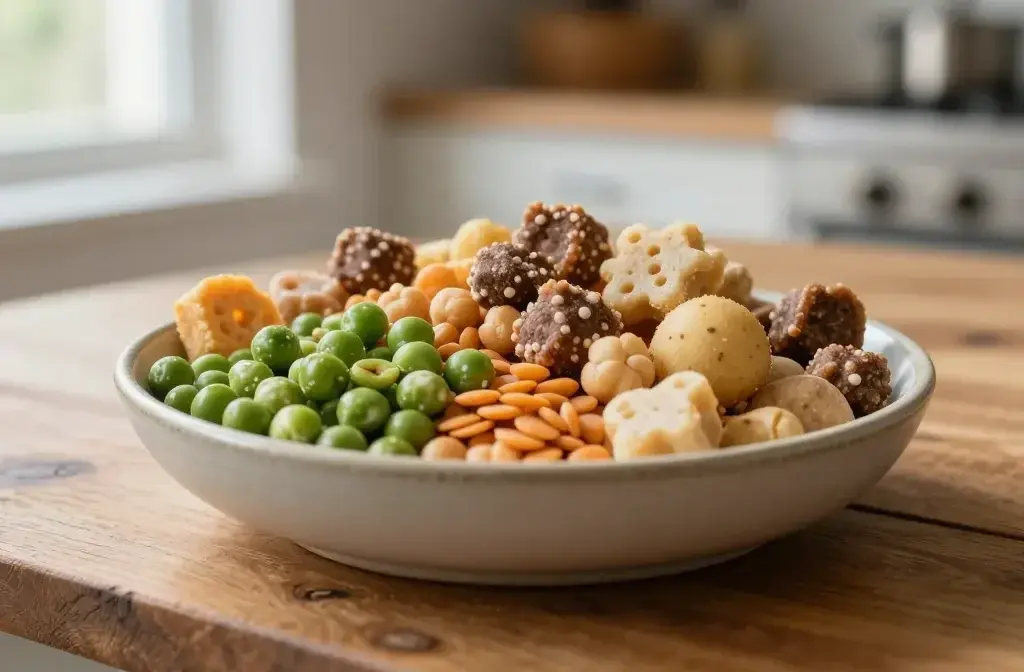
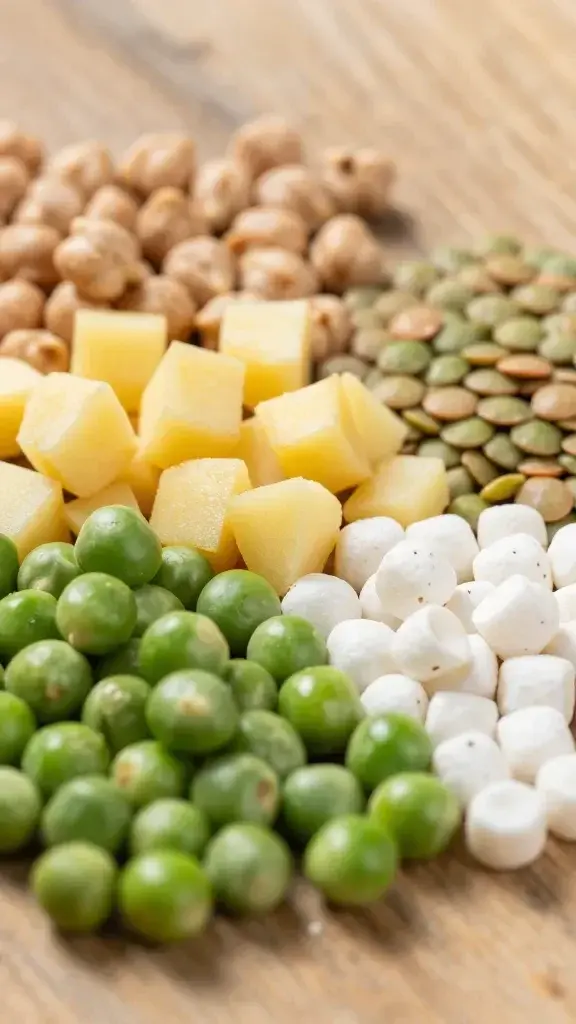
Grain-free means the traditional grains like corn, wheat, and soy aren’t the main carbohydrate source in the treat. Instead, you’ll find things like peas, potatoes, lentils, or chickpeas. Some blends use tapioca or tapioca starch for texture. But remember: “grain-free” isn’t a miracle cure—it’s a tool, not a magic wand.
– It can help dogs with specific grain allergies or intolerances.
– It can support dogs with certain digestive quirks, though not all digestion issues stem from grains.
– It often pairs proteins and other ingredients for a tasty punch.
- Always read the ingredient list. If you can’t pronounce it, you probably shouldn’t feed it to your dog.
- Check for fillers. Some grain-free treats still use low-quality fillers that don’t add value.
- Watch for high fat or sugar content. Grain-free doesn’t mean healthier by default.
What to look for in a good grain-free treat
Not all grain-free snacks are created equal. Here’s your quick buying cheat sheet.
– Protein first: look for a real protein as the first ingredient (think chicken, turkey, fish, or beef).
– Limited ingredients: fewer can be better, especially for sensitive pups.
– No artificial stuff: minimal preservatives, no artificial colors or flavors.
– Chewy vs crunchy: choose based on your dog’s chew preference and dental needs.
– Aks for the right size: smaller bites for small dogs, bigger bites for big chewers.
Common ingredients to recognize
– Primary proteins (chicken, salmon, beef)
– Vegetables like sweet potato or peas
– Starches such as potato or lentils
– Healthy fats (fish oil, flaxseed)
– Added probiotics or chews for dental wear
Who should try grain-free, and who shouldn’t?
Grain-free isn’t a universal fix. Some dogs thrive on it; others don’t notice a difference. If your pup has a diagnosed grain allergy or intolerance, grain-free options can be worth a try under vet supervision. If your dog has a sensitive stomach or frequent itching, a trial might help you figure out what’s triggering it.
– Dogs with confirmed grain allergies often show skin or GI symptoms when fed grains.
– Dogs without allergies typically don’t need grain-free unless you’re solving a specific problem.
– Horses of a different color? Not quite. Talk to a vet before switching, especially if your dog has chronic conditions.
- Transition slowly: mix a small amount of grain-free into their current diet over a week.
- Watch for reactions: vomiting, diarrhea, or itching are red flags.
- Reassess after 6-8 weeks: if you don’t notice improvement, it might not be the issue.
DIY grain-free treats: simple, tasty, and powerfully satisfying
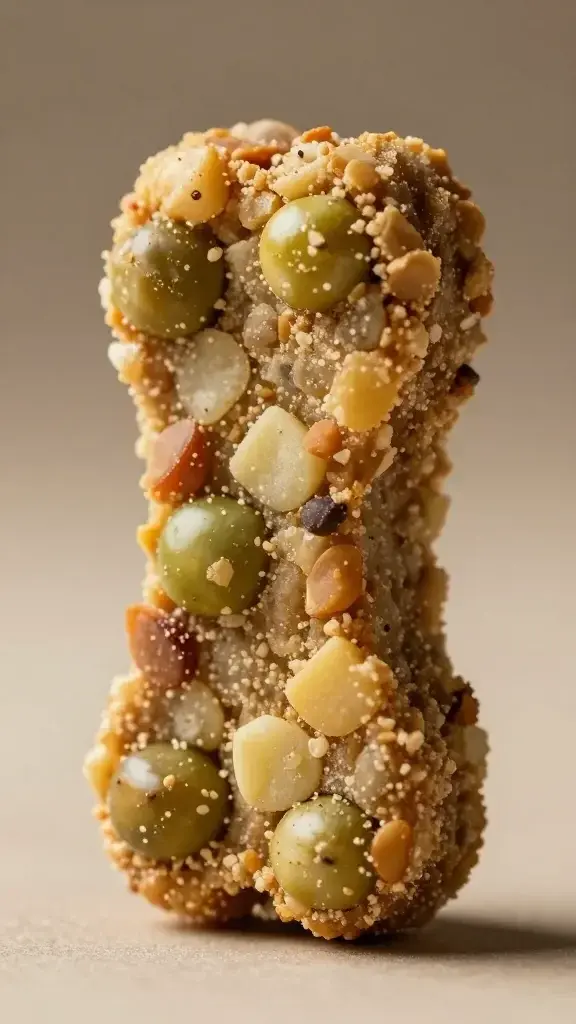
If you’re the “I can bake, therefore I will” type, you’re in luck. Grain-free doesn’t have to mean expensive store-bought. Here are two easy, dog-approved options.
Peanut-butter yogurt bites (grain-free-ish version)
– 1 cup unsweetened peanut butter
– 1 cup plain yogurt (unsweetened)
– 2 cups almond flour or coconut flour
– Optional: a handful of chopped blueberries
Mix, form little balls, freeze for a quick cool-down snack. FYI: check for xylitol in peanut butter—xo dangers for dogs.
Sweet potato chews
– 1 large sweet potato
– Slice into 1/4-inch thick rounds
– Bake at 250°F for 2-3 hours or until dehydrated
– Let cool and store in the fridge
Tip: sweet potatoes are a popular grain-free starch, but portion control is key—no one wants a snack compromise.
Sourcing grain-free treats: store-bought pros and cons
If you’re raid-obsessed with treats, you’ll want to know what you’re buying. Here’s the lowdown.
– Pros: convenient, consistent, and often fortified with added vitamins.
– Cons: some brands use cheap fillers, artificial preservatives, or questionable sourcing.
– Pros for grain-free: fewer potential irritation triggers for sensitive dogs.
– Cons: premium price tags are common, and not all grain-free formulas are created equal.
Red flags to watch
– Vague protein sources (like “meat by-products” without specifics)
– Very long ingredient lists with hard-to-pronounce items
– No feeding guidelines on the package
– Local pet store hype without real third-party testing
How to introduce grain-free treats without drama
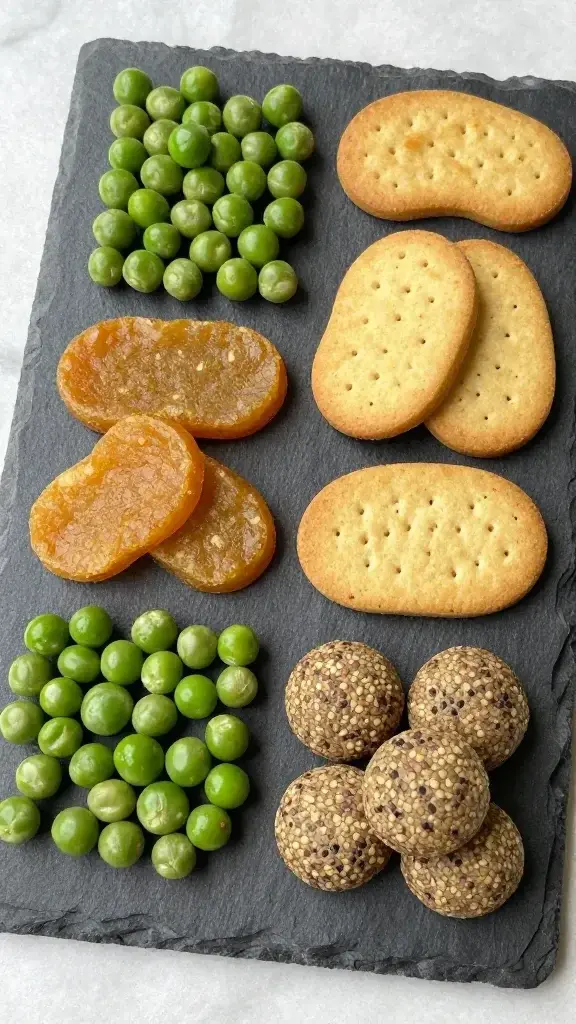
Your dog doesn’t need a dramatic reception committee for treats. A calm approach works best.
– Start with small amounts: a single bite or two at a time.
– Monitor for 24-48 hours: check stool, energy levels, and skin rubs.
– Use as training rewards: keep sessions positive and short.
– Pair with a balanced diet: treats should be a fraction of daily calories.
Managing weight with treats
– Use low-calorie options or subtract calories from meals to compensate.
– Break treats into even smaller pieces to stretch the supply.
– Consider training-based rewards (tiny bites) rather than free-for-alls.
The debate: grain-free, heart health, and the FDA angle
Yes, we’re stepping into some spicy topics here. There’s ongoing discussion about grain-free diets and canine heart health, particularly linked to certain taurine-deficient heart conditions. The FDA has looked into it, and the verdict isn’t a simple yes or no.
– Not all grain-free diets cause problems; many dogs thrive without grains.
– Some grain-free formulas may use high amounts of legumes that can affect nutrient balance in rare cases.
– If your dog has a heart condition or risk factors, talk to your vet before a major dietary change, including treats.
- Check taurine levels if your pup has a heart issue.
- Don’t panic: grain-free isn’t a guaranteed risk for every dog.
- Stay informed with your veterinarian’s guidance and your pup’s response.
FAQ
Are grain-free treats better for all dogs?
For most dogs, grain-free isn’t inherently better. It’s better for some with sensitivities or allergies, but it’s not a universal fix. The best approach is to observe how your pup responds and consult your vet.
Can grain-free treats cause allergies?
Yes, dogs can be allergic to any ingredient, including peas, lentils, or potato. Grain-free doesn’t guarantee fewer allergies. If you suspect an allergy, try elimination trials with your vet’s guidance.
What should I look for on ingredient labels?
Look for real meat as the first ingredient, minimal fillers, no artificial colors or flavors, and transparent sourcing. Avoid vague terms like “meat by-products” without specifics.
How often should I give grain-free treats?
Treats should be a small portion of daily calories. For most dogs, that means no more than 10% of daily intake from treats. Adjust based on size, activity, and overall diet.
Are there any safety concerns with grain-free treats?
The big concerns are allergies to other ingredients, overfeeding, and potential heart-health links in rare cases. Always supervise, check for choking hazards, and store treats properly to avoid spoilage.
Conclusion
Grain-free dog treats can be a smart choice, especially for pups with sensitivities or for folks who just want to mix things up. The key is reading labels, choosing high-quality ingredients, and introducing changes gradually. IMO, a thoughtful approach beats chasing every trend. If you’re curious, try a couple of trusted options, monitor your dog’s response, and keep the snack cam ready—the real truth often comes from your dog’s wagging tail. FYI, the right treat is the one your pup actually loves and your vet approves.