
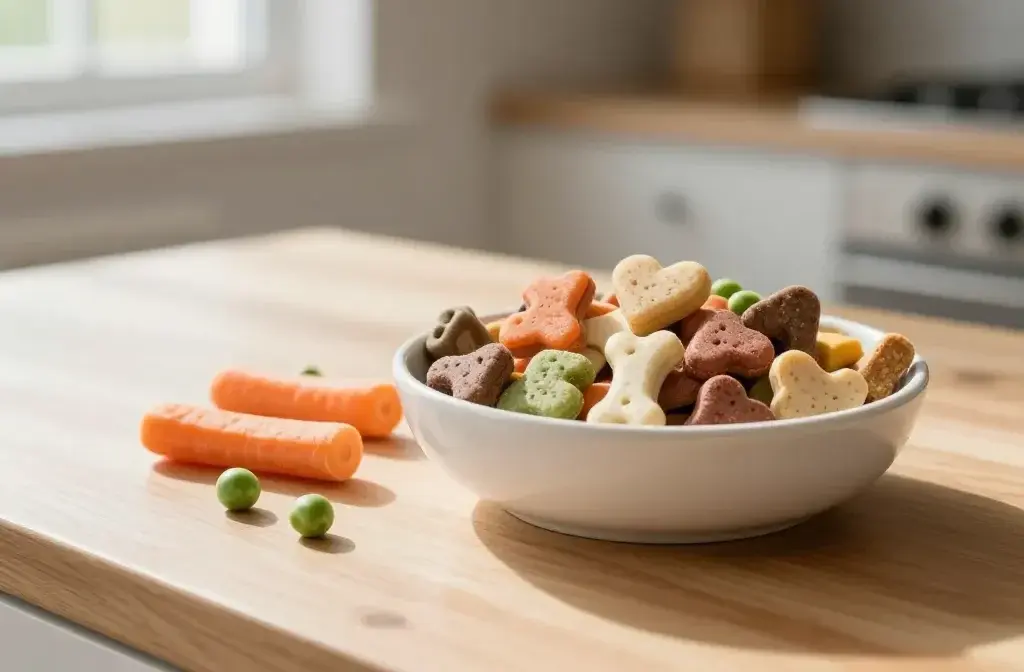
If you’re hunting for snacks your dog will actually beg for (and you won’t regret), low calorie treats are the move. They keep the tail wagging without turning your pup into a fluffy snowball. FYI, a few well-chosen bites can stretch a long day of training and joy into something sustainable. Let’s dive into the tasty, healthier side of doggy snacking.
Why low calorie treats matter for dogs
Ever notice how fast a treat can pile on the pounds? Dogs don’t wear jeans, so it’s on us to manage their calories. Low calorie treats help with:
- Weight management without sacrificing treats at all
- Better portion control during training sessions
- Keeping teeth clean and breath fresher between brushings
If your pup has a tendency to snack, these treats let you reward good behavior without tipping the scales. IMO, it’s a win-win: happy dog, healthier habits, less guilt for you.
What counts as a “low calorie” treat?

Short answer: it depends on the dog. Longer answer: look for treats that are small, protein-forward, and rich in flavor so your dog feels satisfied with fewer calories.
- Calorie-per-treat label: aim for treats under 10 calories each for small dogs, and under 20 for mid-size dogs. Check the per-serving calories.
- Ingredient quality: prioritize real meat or fish, plus fiber-rich veggies for fullness.
- Texture and size: bite-sized pieces prevent overindulgence in one session.
If you’re unsure, start with a few tiny bites and gauge your pup’s response. It’s easier to adjust than to undo a muffin-top canine cardio session later.
Popular categories of low calorie dog treats
There are many options, but some categories consistently deliver on taste and restraint.
Soft, chewy bites that don’t derail diets
Soft treats feel like a little indulgence, but many brands offer low-cal options. Look for:
- Water-rich ingredients that add volume with fewer calories
- High protein content to keep dogs feeling full
- Limited grains or grain-free options for dogs with sensitivities
Perfect for training because you can reward without overdoing it.
Crunchy, low-calorie treats
Crunchy textures satisfy the desire to chew and can help with dental hygiene. Tips:
- Choose crunchy shapes that are tiny or breakable into even smaller pieces
- Watch for high carb ingredients like corn or wheat if your dog has sensitivities
- Pair with a quick dental-friendly routine for best results
Natural and limited-ingredient options
If your pup has allergies or a sensitive stomach, limited-ingredient treats can be a lifesaver.
- Single protein sources, like chicken or salmon
- Minimal additives and preservatives
- Better digestion for some dogs, fewer tummy troubles
Freeze-dried treasures
Freeze-dried treats concentrate flavor with relatively low calories.
- Rich protein punch in small pieces
- Long shelf life and easy to portion
- Great for training sessions on the go
Smart training tips with low calorie treats

Treats aren’t just snacks; they’re training tools. Use them wisely to reinforce good behavior without overfeeding.
- Use “micro-rewards” during initial learning phases to avoid piling on calories
- Pair treats with praise or a quick game to boost motivation
- Keep a treat jar handy for spontaneous reinforcement—just count the calories
How to portion effectively
- Estimate how many calories your dog should ideally receive from treats per day
- Divide that number into small, manageable rewards during sessions
- Track progress and adjust as needed to maintain weight goals
Label literacy: reading the back of the bag
If you’ve ever stood in the pet aisle reading a hundred labels, you’re not alone. Here’s a quick cheat sheet to make it painless.
What to check on the nutrition panel
- Calories per treat and per serving
- Guaranteed analysis for protein, fat, and fiber
- First five ingredients; aim for real meat, not fillers
Common red flags
- Artificial colors or flavors that scream “junk food”
- Very high carb load without protein compensation
- Allergen triggers like dairy, soy, or certain grains if your dog is sensitive
Special considerations: who should be careful with treats
Low calorie doesn’t mean “free-for-all.” Some dogs need extra care.
Small dogs and frequent snacks
Tiny furballs can overdo it quickly. Save the best bites for training moments and keep a strict daily cap. They’re sensitive to excess calories and can develop weight issues fast.
Senior dogs and dental health
Older pups often appreciate softer textures. Just because something is soft doesn’t mean it’s calorie-heavy. Look for low-fat, easy-to-chew options, and consider dental treats that promote gum health.
Dogs with allergies or sensitivities
If your dog itches after certain ingredients, stick to limited-ingredient options and avoid common culprits like certain grains or preservatives. FYI, a simple single-protein treat is a great test bed for new ingredients.
DIY low-calorie treat ideas you can snag from your kitchen
If you’re crafty (or money-conscious), you can whip up tasty, low-calorie bites at home.
DIY tiny meat morsels
– Bake small meatballs using lean ground turkey or chicken. Cut into bite-sized pieces.
– Keep portions tiny, about the size of a pea for most dogs.
– Freeze extras for later use.
Veggie chews and fruit pops
– Freeze-dried veggies like carrot chunks or green beans make crunchy, low-calorie treats.
– Small pieces of apple or blueberry can be refreshing in moderation.
– Always remove seeds or pits that could be dangerous.
FAQ
Are there risks to feeding low-calorie treats?
Low-calorie treats are generally safe, but overfeeding any treat can lead to weight gain. Always account for treats in your dog’s daily calorie budget and consider medical conditions, like diabetes or pancreatitis, that require stricter limits. If in doubt, chat with your vet.
How do I know how many treats to give?
Start with a rough plan based on your dog’s weight and daily calorie needs. Use treats as a small fraction of daily calories—often 5-10%. Then track weight and adjust. If your dog starts to gain, trim the treat count a bit.
Can humans eat these treats if I sneak one? (Kidding, but…
Most dog treats aren’t formulated for human consumption and may contain ingredients that aren’t ideal for people. If you’re curious about a taste, check the ingredients—but probably better to save the experiment for your dog’s health, not your appetite.
What about fat and protein levels?
Aim for higher protein and moderate fat to help satiate your pup with fewer calories. Look for treats with real protein as the first ingredient and avoid overly fatty options. IMO, protein-forward bites are the secret sauce.
Are freeze-dried treats really better?
Freeze-dried treats tend to preserve flavor with fewer calories per bite and minimal additives. They’re convenient for training on the go and often easier for dogs with sensitive stomachs. If your dog loves them, they’re a solid pick.
Conclusion
Low calorie dog treats are a practical, tasty way to reward good behavior, support weight management, and keep training sessions lively. With a little label-checking and smart portioning, you can treat your furry friend without tipping the scales. If you’re juggling a picky pup, remember: variety helps, but consistency matters more. IMO, the best snacks are the ones that taste amazing, feel guilt-free to you, and keep your pup’s tail wagging long after the last bite. Ready to upgrade your treat game? Your dog is definitely ready.