
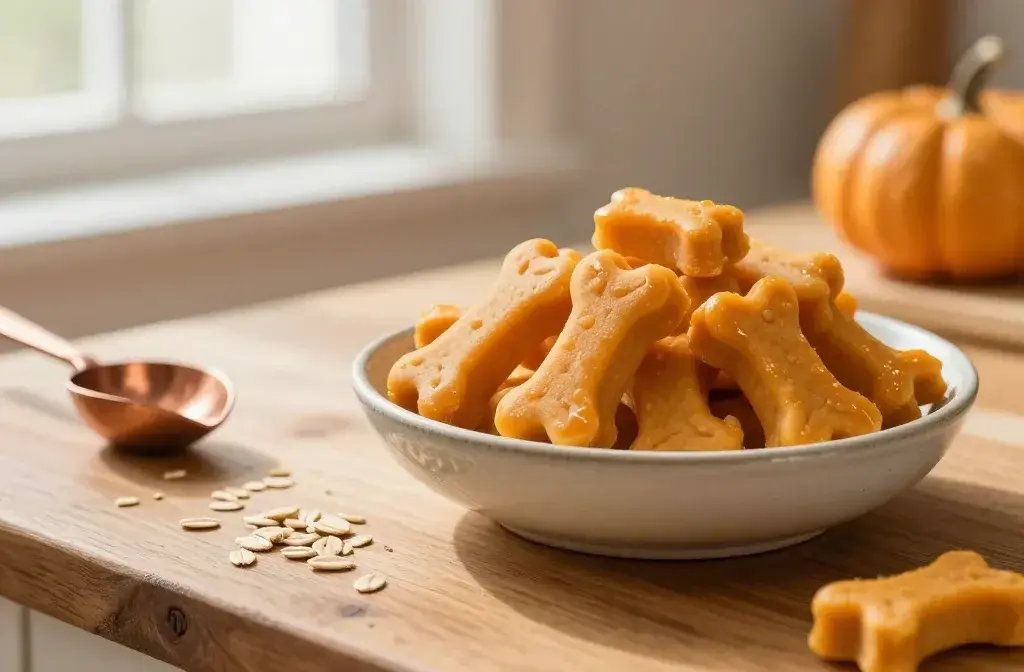
The first time your pup sniffs a pumpkin treat, you’ll know you’ve found a winner. The second time, they’ll stare at you like you’ve opened a can of magical sunshine. Pumpkin dog treats are a cozy staple in many bowls, and for good reason: they’re tasty, nutritious, and surprisingly versatile. Let’s dig into the orange goodness and how to make your pup’s snack time extra tasty.
Why pumpkin? The paw-sitive perks you might not know
Pumpkin is more than a pretty garnish on autumn tables. It’s fiber-rich, gentle on tummies, and packed with vitamins. If your dog battles digestion or irregular bathroom breaks, pumpkin can be a simple rescue mission—within moderation, of course. FYI, plain canned pumpkin (not pumpkin pie filling) is the hero here.
– Boosts fiber for steady digestion
– Provides moisture and volume for dogs who don’t drink enough
– Adds flavor without heavy fats or salt
– Rich in vitamins A, C, and potassium
– Easy to mix into meals or bake into treats
Do you need to go DIY or buy pre-made? Both can shine, depending on your schedule and your pup’s preferences.
DIY pumpkin dog treats: simple recipes you can trust
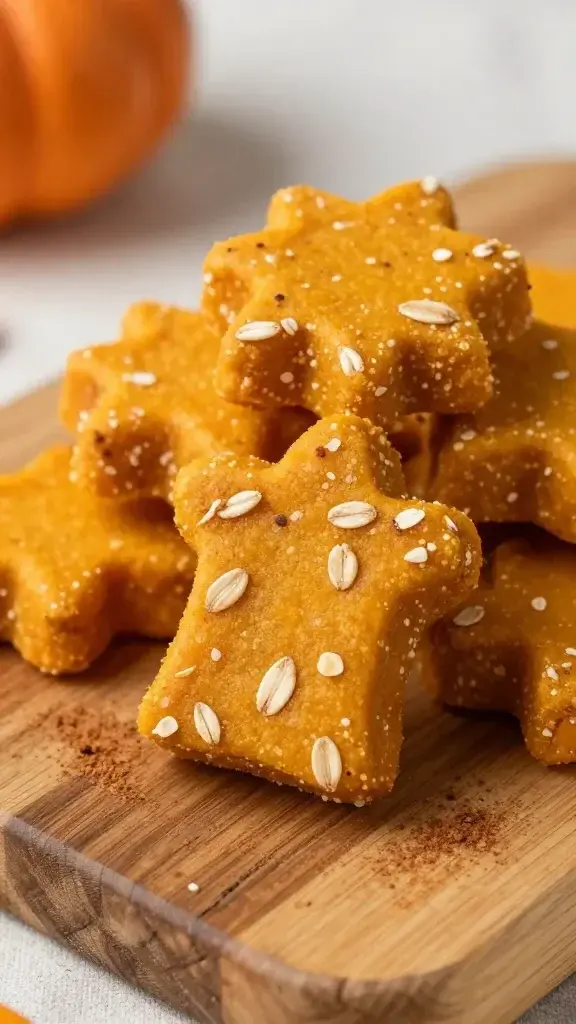
Making treats at home lets you control ingredients, textures, and flavors. It also gives you a tiny sense of triumph when your dog devours something you created with your own two hands. Here are a few easy pathways to start.
Two-ingredient pumpkin biscuits
– 1 cup pumpkin puree
– 2 cups whole-wheat flour (or an all-purpose alternative if your pup has grain sensitivity)
Mix, roll, and cut into little bones or paw shapes. Bake at 350F for 15-20 minutes, then cool completely. Easy peasy, puppy-approved.
Pumpkin peanut butter bites
– 1 cup pumpkin puree
– 1/2 cup peanut butter (xylitol-free, of course)
– 2 cups oats, finely ground or rolled
– Optional: a splash of water or unsalted broth to bind
Stir until it forms a dough, roll into balls, and chill for 30 minutes. They’re like little grand pretzels for doggo mouths, minus the salt.
Sweet potato-pumpkin blend
If your pup tolerates sweet potatoes, mix mashed sweet potato with pumpkin puree and a bit of oat flour. Shape into small discs and bake until firm. A cozy autumn flavor without the extra spice.
Store-bought vs. homemade: which is right for your dog?
There’s no universal winner here. It depends on your dog’s needs, your budget, and your patience for washing bowls.
– Store-bought perks: consistent texture, longer shelf life, often fortified with vitamins
– Homemade perks: no mysteries, you control ingredients, customizable with allergies
If your dog has a sensitive stomach or food allergies, you might lean toward DIY at first. Check ingredient lists on the pre-made stuff for fillers or artificial flavors—no one wants mystery additives shadowing cupcake-level joy.
Texture matters: crunchy, chewy, or soft?
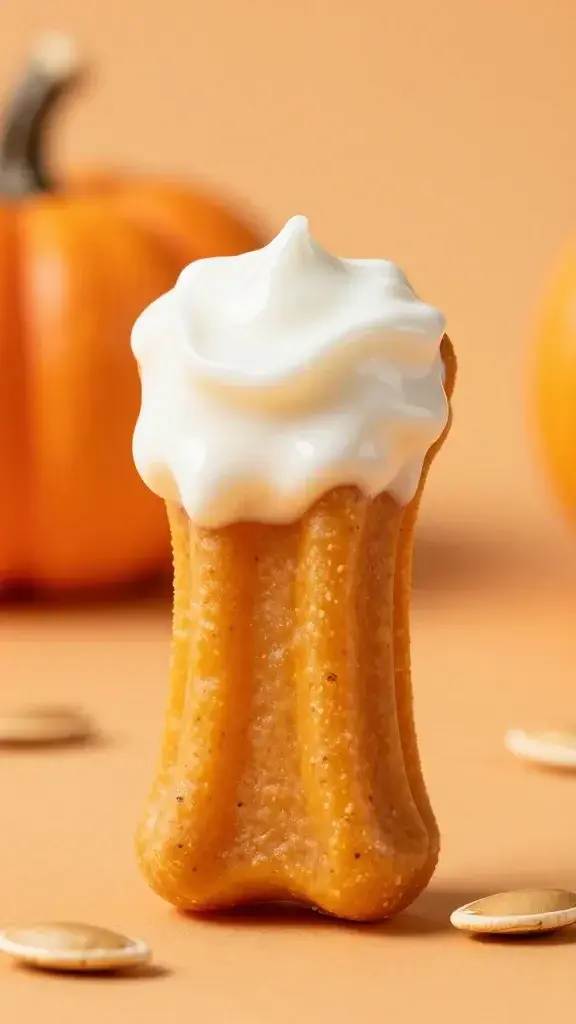
Dogs are texture connoisseurs, just like us with popcorn. The vibe you choose can affect engagement and enjoyment.
– Crunchy biscuits: satisfy the need for a quick snap and crunch. Great for dental-friendly vibes.
– Chewy bites: softer and easier on older dogs or those with tooth troubles.
– Soft “pupcakes”: excellent for discovery moments and training treats.
Tip: if your dog loves crunch but you want longer-lasting treats, bake until edges are set and the centers remain a touch soft. You’ll get a satisfying bite without turning into a kitchen chessboard of overbaked edges.
Flavor boosters that actually matter
Pumpkin pairs well with a lot of dog-safe additions. Use them to tailor treats to your pup’s taste buds—without going overboard.
– Peanut butter: choose xylitol-free brands. A crowd-pleaser for most dogs.
– Cinnamon: a pinch can add warmth, but skip if your dog has sensitive stomachs.
– Yogurt: a tablespoon in the mix adds tang and calcium, but only if your dog tolerates dairy.
– Banana: mashed banana adds sweetness and moisture.
Remember to start small with any new flavor or add-in. Watch for signs of upset or allergy, and scale back if needed.
Health notes: feeding limits and safety
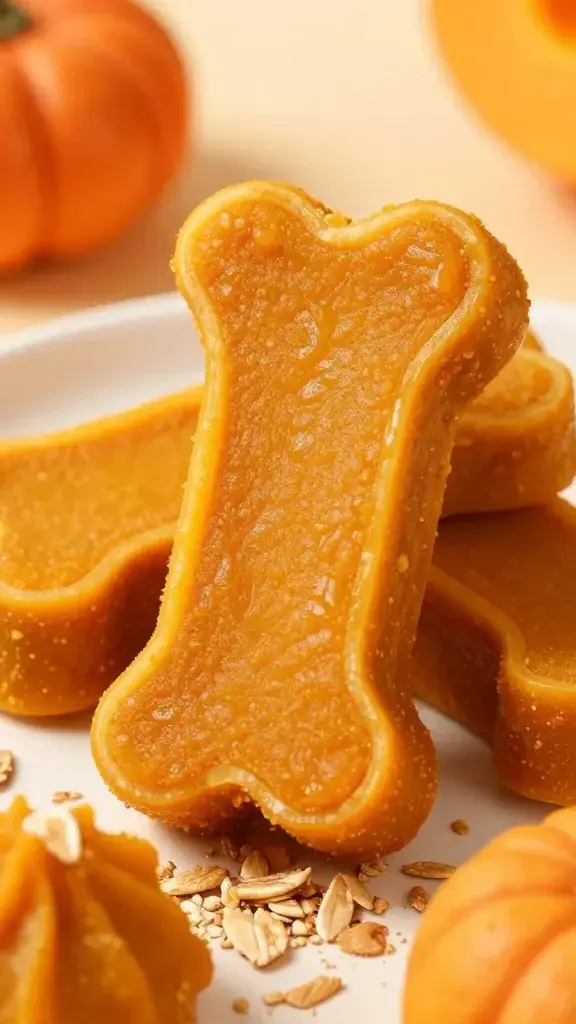
Pumpkin is great, but moderation and quality matter.
– Use plain pumpkin puree, not pie filling with sugars and spices.
– Keep portions appropriate to size. A common guideline is a few tablespoons per day for small dogs, a little more for bigger pups, but check with your vet if you’re unsure.
– Watch for allergy signs: itching, stomach upset, or changes in stool.
– Freeze extras in ice cube trays for quick, ready-to-use portions.
Ever wonder why vet offices mention pumpkin so often? It’s because it’s a simple, gut-friendly option that can help with digestion and hydration when used thoughtfully. IMO, it’s one of those go-to kitchen staples that can actually make life easier for dogs and humans alike.
Seasonal twists: pumpkin with a side of fun
Pumpkin treats aren’t just for fall. You can dress them up for holidays, celebrations, or just because you deserve a snack date with your dog.
– Pumpkin-cranberry chews for a festive vibe (cranberries are generally safe, but skip if your pup has a history of bladder issues or stones)
– Pumpkin yogurt twirls for a creamy, cool treat on warm days
– Pumpkin-oat bars for training sessions and longer chew times
FYI, avoid adding anything spicy or chocolatey. Your pup’s palate might roar at your experimental kitchen genius, but certain human foods are no-nos for dogs.
Training and treat-timing: smart ways to use pumpkin snacks
Treats can be more than party snacks; they can be training tools too.
– Use tiny pumpkin bites as a high-value reward for tricky tasks
– Pair pumpkin with a training cue to reinforce behavior
– Consider non-food rewards on days when you want to curb treats, like extra fetch time or a belly rub
Just don’t overdo it. The goal is a positive association, not a snack-fueled free-for-all.
FAQ
Is pumpkin safe for dogs with sensitive stomachs?
Yes, in moderation. Pumpkin can help with digestion by adding fiber, but start with small portions and monitor how your dog responds. If problems persist, chat with your vet.
Can I use pumpkin pie filling in dog treats?
Nope. Pie filling contains sugars and spices that aren’t ideal for dogs. Stick to plain pumpkin puree, or a vet-approved recipe.
How long do pumpkin treats last?
Homemade treats typically last about 5-7 days when stored in an airtight container in the fridge. Freeze portions for longer storage, and thaw as needed.
Are pumpkin treats good for puppies?
They can be, but puppies need small, easily digestible portions. Start with tiny pieces and ensure they’re appropriate for your puppy’s age, size, and dietary needs.
What if my dog has a grain allergy?
Use grain-free flours like almond or chickpea flour, and keep other ingredients simple. Always check with your vet if you’re unsure about allergies.
Conclusion
Pumpkin dog treats are a delightful, versatile way to treat your canine companion. They’re easy to customize, help with digestion, and let you indulge in a little culinary creativity without going crazy. Whether you bake from scratch or reach for a trusted store-bought option, your pup is likely to give you the biggest, wiggliest greeting when the orange goodness appears. So grab a can, a few bowls, and a smile—your dog’s taste buds (and your kitchen playlist) will thank you. If you’re craving new ideas, I’m right there with you, ready to swap pumpkin-spinach-biscuit experiments or a simple pumpkin-peanut bite batch. IMO, pumpkin treats are a win-win for both sides of the leash.