
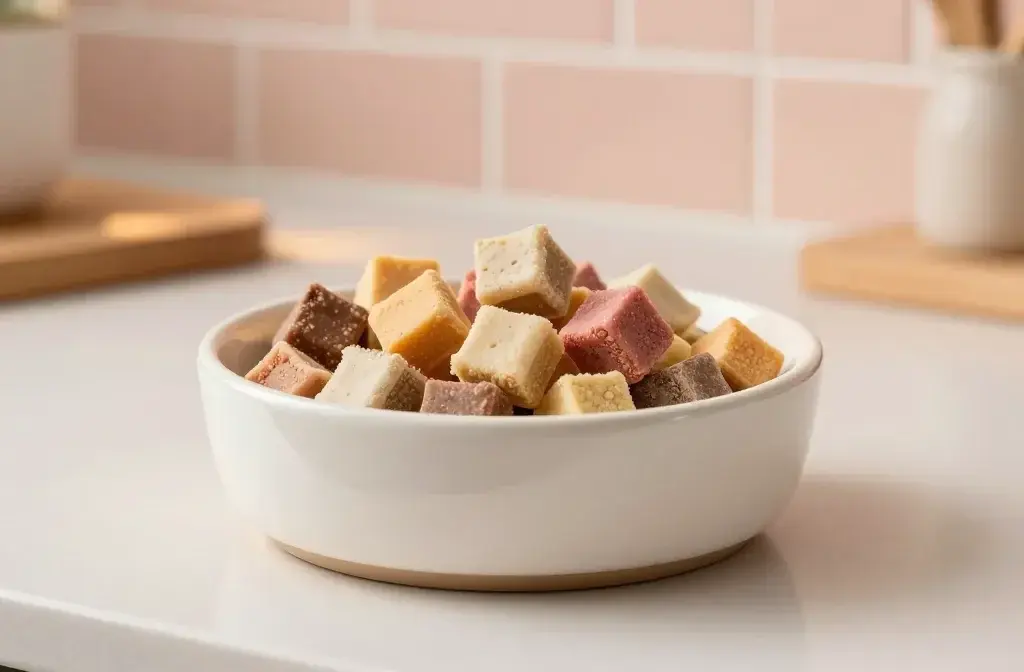
I’ve met plenty of pups who think every treat is a party and every command is a joke. Spoiler: training treats aren’t magical, they’re just the fuel that makes learning delicious. If you’re tired of chasing a puppy who ignores you after a single bark, you’re in the right place. Let’s talk about puppy training treats that actually work, without turning your kitchen into a snack-supply disaster.
Why training treats matter (besides making a doggo snack迷er)
Training treats aren’t just sugar-coated bribes. They’re tiny, highly motivating rewards that reinforce good behavior in real time. The trick is using the right treats at the right moments, so your puppy connects the action with the payoff. FYI, consistency beats brilliance here. If your pup gets a treat only sometimes, you’ll get mixed signals and you’ll end up chasing your tail more than your tail-wagger.
Choosing the right size and texture
Puppies have tiny tummies and even tinier teeth. You want treats that are easy to chew quickly, so you can move from cue to cue without long chew breaks. Here’s a quick guide:
- Size: bite-sized or crumbs for the earliest sessions.
- Texture: soft and pliant beats hard and crunchy for rapid rewards.
- Calories: tiny, frequent rewards beat big, heavy treats that derail a training session.
What makes a “training-worthy” treat
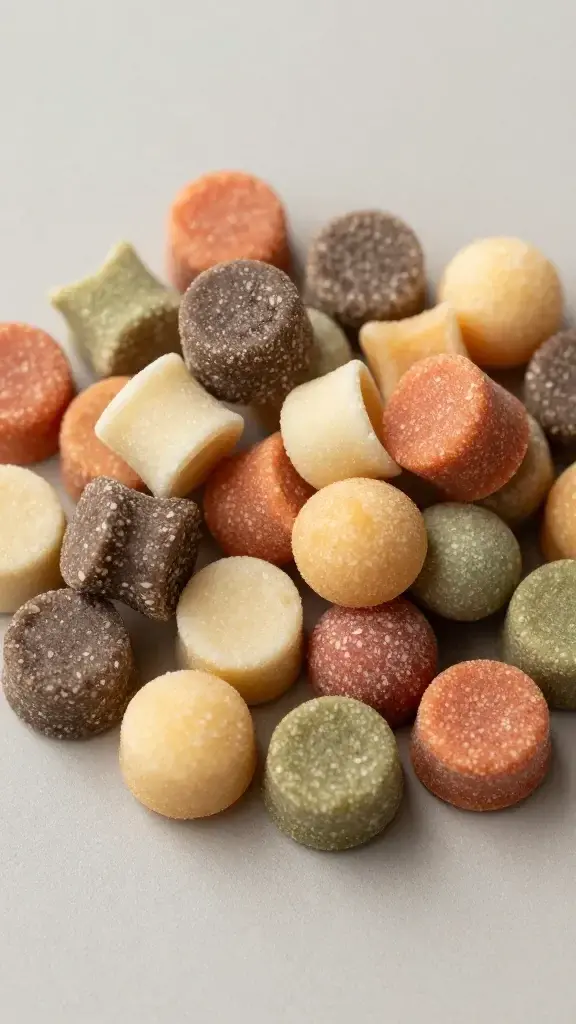
Not all snacks are created equal for training. You want something that’s tasty enough to be priceless in your pup’s eyes, but not so rich that it triggers digestive drama. Consider these traits:
- High value: chicken, cheese, or your pup’s favorite menu item. You know your dog better than your barber knows your hair.
- Low risk: avoid chocolate, grapes, onions, and artificial sweeteners—gross and dangerous for dogs.
- Easy to portion: pre-portion into tiny bites so you’re not breaking your flow mid-session.
Homemade vs store-bought: the great treat debate
Both have merits, and you’ll probably mix and match. DIY can be cheaper and tailored, while store-bought options save time and often have handy training-specific designs.
DIY favorites you can trust
– Boiled chicken shredded into tiny bits. Simple, tends to be irresistible, and you can control salt and spices.
– Small cheese cubes or string cheese cut into slivers. Rich, so use sparingly.
– Frozen peas or baby carrots for a cool, crunchy boost. Great for low-cal options and some dogs adore them.
Smart store-bought picks
– Soft, breakable treats designed for training. Look for labels like “training treats” or “tiny bites.”
– Freeze-dried meats in small pieces. High value and long shelf life.
– Cheese-flavored bites or peanut-butter flavored treats in mini sizes. Check for fillers and artificial stuff—less is more.
How to structure a training session with treats
A good session is short, sweet, and laser-focused. Think 5-10 minutes, several short rounds. Here’s a simple blueprint:
- Set a clear cue: “sit,” “come,” or “stay.”
- Give the cue once. If no response within 1-2 seconds, gently guide or pause.
- Reward quickly with a tasty treat once the cue is performed.
- End on a high note: a quick, easy behavior followed by a happy treat cure.
Common pitfalls and how to dodge them
We all slip up, especially when excitements hits. Here are quick fixes:
- Overusing treats: your dog becomes treat-treasure-focused. Mix with praise and a few moments without food rewards.
- Inconsistent cues: always use the same word and gesture for a command, or you’ll confuse your pup faster than a popcorn kernel pops.
- Rewarding wrong behavior: if your dog sits when you touch their leash, that’s not the cue you want rewarded. Reward the intended action instead.
Reward timing: the key to quick learning
Timing is everything. The moment your pup does the right thing, you deliver the treat—ideally within a second. If you delay, your dog may think the reward is for the moment you touched your shoe, or even for doing nothing at all. FYI, consistent timing accelerates learning and reduces frustration on both sides.
Managing treats during potty and crate training
Treats can be helpful in potty training and crate training, but you don’t want to flood every moment with snacks. Use small, calm rewards to reinforce stepping outside, a quick potty signal, or calm crate behavior. This helps your pup associate quietness and waiting with good things, not just free-for-all biscuit bonanzas.
Potty cue tips
– Pair a go-to cue with a calm, consistent reward after the desired potty action outside.
– Use a special “potty treat” that you save only for that purpose to increase value.
Crate training with treats
– Toss a small treat into the crate when your pup is calm near it, gradually increasing the time between cue and reward.
– End sessions with a preferred chew or a favorite bite after a restful period to keep it positive.
Tips for picky eaters and high-energy puppies
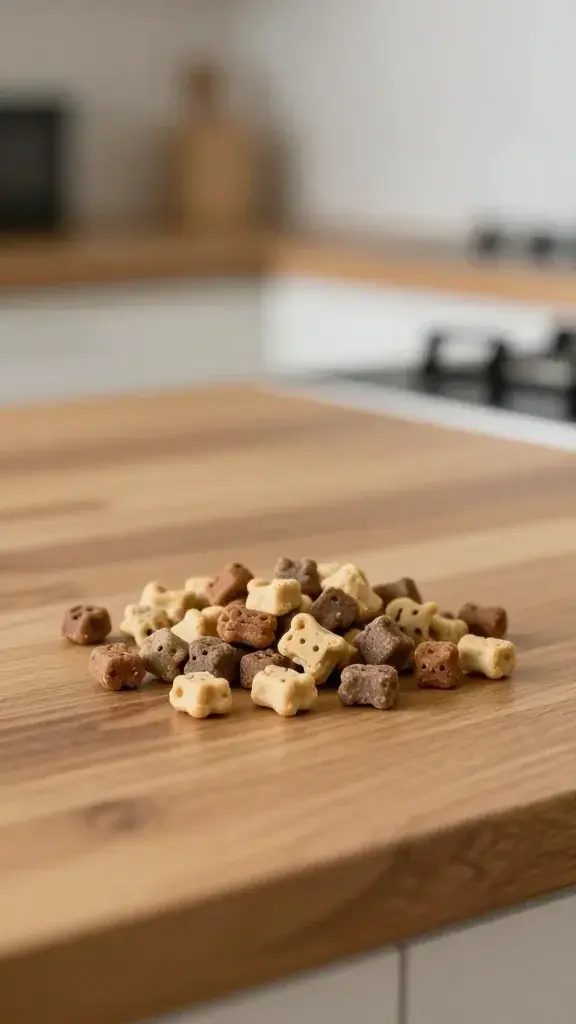
Some pups turn their noses up at everyday snacks. No biggie—adapt and improvise.
- Experiment with temperature: warm cheese softens and increases aroma; a cool, fresh treat might be more appealing for some dogs.
- Use a “first reward” strategy: the moment your pup looks your way or obeys a cue, you offer something irresistible to keep motivation high.
- Keep sessions active with short, dynamic movements: a quick heel pattern before a sit can switch gears from “snack time” to “training time.”
Safety and satiation: not too much of a good thing
Treats should be a supplement, not a dietary main course. Pay attention to total daily calories and ingredients. If your vet has suggested limited calories or a special diet, stick to that plan and talk with them about training rewards. Keep treats out of reach when not training to avoid constant nibbling and weight creep.
When to level up: advancing to new tricks
Once your pup reliably responds to basic cues, you can raise the stakes. Increase distance, add minor distractions, and mix up the rewards. The simplest way: vary the reward type and location. A new treat, a praise session, or a quick toy reward can diversify the reinforcement and keep your pup guessing—in a good way.
FAQ
What should I do if my puppy ignores the treat?
Treats are just one tool. Re-check your timing, ensure your cue is clear, and reduce distractions temporarily. If the dog is hungry or very excited, a quick warm-up exercise can boost motivation. Keep sessions short and positive.
How many treats should I give during a session?
Aim for 3-6 quick rewards per 5-10 minute session, depending on your puppy’s attention span. Balance it with verbal praise and play to avoid overfeeding.
Are human foods safe as training treats?
Some are, but avoid anything toxic or risky. Good options include small bits of cooked chicken, cheese, or boiled veggies. Always steer clear of chocolate, grapes, onions, xylitol, and excess salt. When in doubt, check with your veterinarian.
Can I use the same treat for every cue?
Yes, but variety can help. A high-value option for tricky cues paired with a steady, lower-value reward for routine cues keeps things interesting. Mix in a few new flavors to maintain interest—IMO variety is the spice of training life.
What if my puppy is a fast-growing chewer?
Choose durable but small rewards. Freeze-dried meat bites or hard cheese bits can stand up to gnawing during a session. Break bigger rewards into tiny pieces for safety and speed.
Conclusion
Training treats aren’t magic—but they’re mighty when used correctly. They help your puppy learn faster, stay engaged, and actually enjoy the process. Start with tiny, tasty bites, use consistent timing, and keep sessions short and fun. With a little patience, you’ll turn “sit” into instinct and “come” into a confident, well-mannered pup who doesn’t treat your commands like suggestions. IMO, the payoff is a happier pup and a calmer life for you.
If you’re unsure about product picks or want a personalized plan for your dog, holler back with your pup’s age, breed (if you care to share), and any dietary restrictions. I’ll tailor some sample treat ideas and a quick-week training plan so you can start today—no guesswork required. FYI, you’ve got this.