
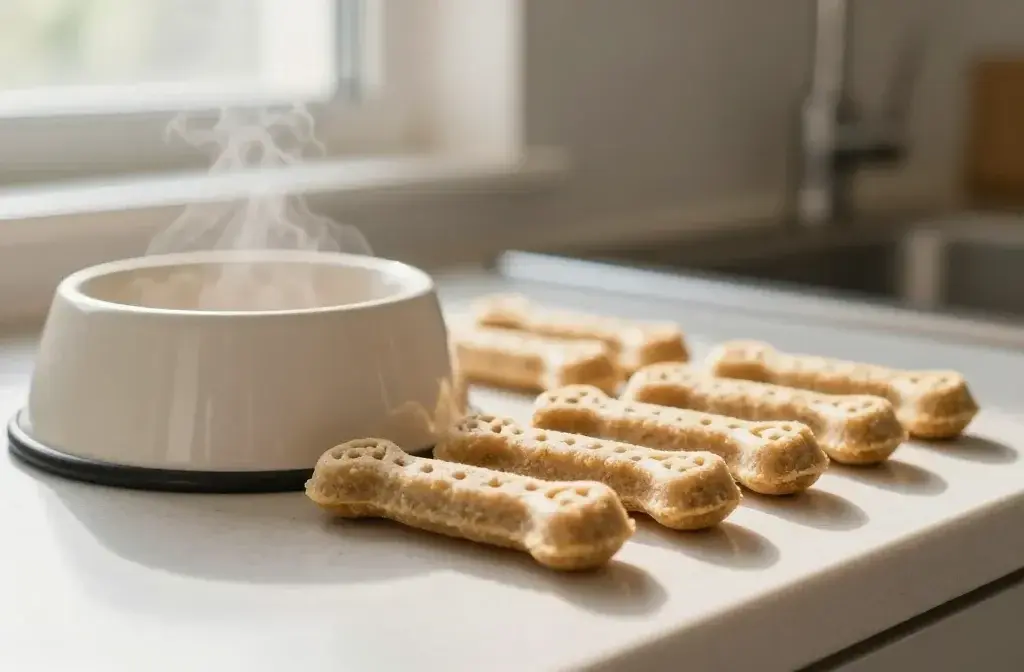
I once asked my dog what he thinks about crunchy treats vs soft ones. He shrugged with a wag and chose the soft option, obviously. If you’ve got a pup who loves to mash a treat into a pillow and then stare at you like, “That’s right, I crushed it,” you’re in the right corner of the internet tonight. Let’s talk soft dog treats—why they exist, what to look for, and how to use them without turning your pup into a treat-snob.
What makes a dog treat soft, anyway?
Soft dog treats aren’t just “less crunchy.” They’re designed for puppies, seniors, or dogs with dental issues who still want a tasty reward. The texture comes from moisture, binders, and sometimes gelatin or carnauba wax to keep them pliable. Qualities to care about:
- Moisture content that stays chewy, not mushy or crumbly
- Simple ingredients your dog can actually pronounce
- Appropriate size for quick rewards or long training sessions
- Low sugar and balanced fat content—no guilt trips for you or your pup
If you ever opened a bag and found a treat that squeaks in your hand, you’re not alone. Some brands go for the “soft and springy” texture, while others lean into “gelatinous and flexible.” Different dogs have different preferences, so you might have to try a couple before you hit the jackpot.
Why owners reach for soft treats
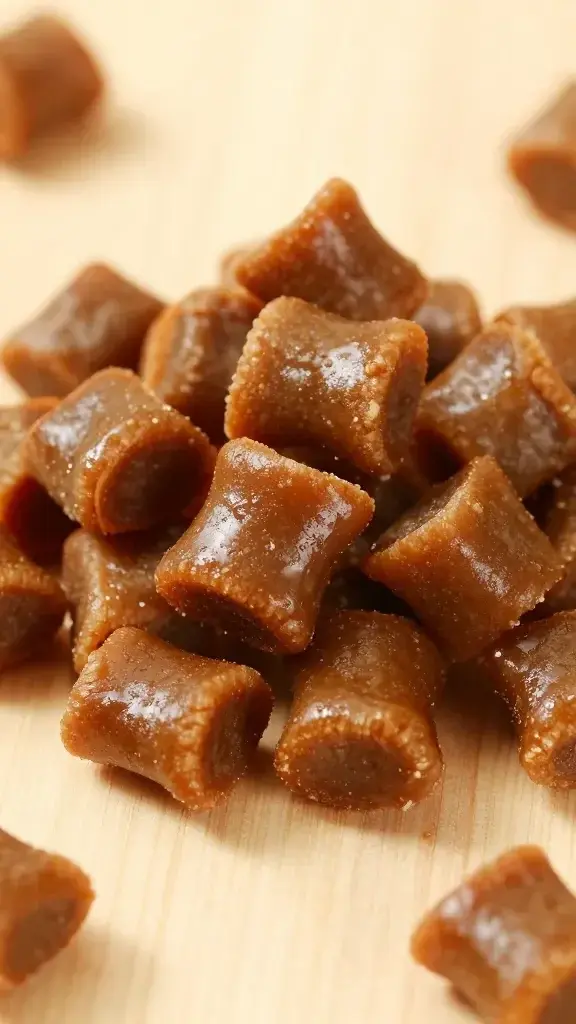
Soft treats are the convenience store aisle of dog rewards. They’re easy to break into even tinier pieces, which makes them excellent for training sessions where you want quick, repeatable rewards. They also tend to be more aromatic, which can help motivate a picky eater or a senior with dwindling senses.
Training wins
– Quick, consistent praise: break into tiny shards and reward instantly after a command. Dogs associate the action with the treat faster when they can grab and go.
– Gentle on teeth: if your dog has dental work or sensitive gums, soft treats reduce the risk of flinching or refusing due to discomfort.
– Variable reinforcement: mix in small soft treats with a bigger kibble reward to keep things interesting.
Senior and puppy considerations
– For puppies: softer treats can be a stepping stone to crunchy rewards once their teeth mature.
– For seniors: softer textures reduce chewing strain and can be easier to digest if they have sensitive tummies.
– Always watch for changes in appetite or digestion. FYI, some dogs suddenly love a new texture and then hate it next week.
What to look for on the label
If you’re shopping, you’ll want to skim the nutrition panel and the ingredient list. Soft does not have to mean junk. A few practical tips:
- First few ingredients should be real foods: meat, fish, or vegetables rather than fillers like corn syrup.
- Avoid artificial flavors and excessive artificial preservatives—keep it simple.
- Moderate protein and fat content appropriate for your dog’s size and activity level.
- Allergen awareness: if your pup has allergies, read labels like a detective on a stakeout.
Common ingredients you’ll see—and what they mean
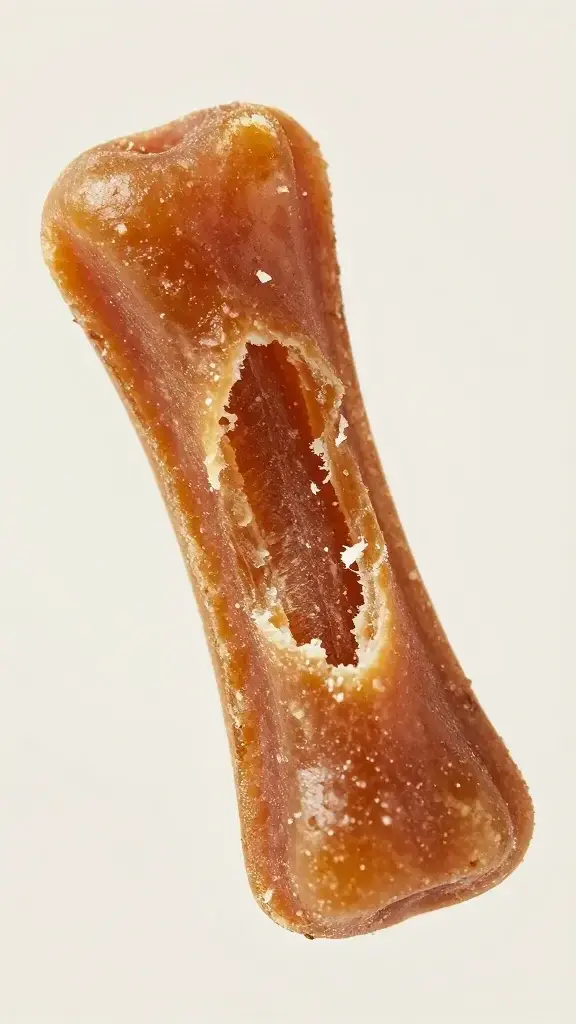
A little chemistry lesson, but you’ll thank me during your next grocery trip with your dog.
Proteins
– Deboned meat, poultry, or fish as the star ingredients signal that your pup isn’t chewing on the concept of “treat”—they’re chewing real protein.
– Some brands use meat meals or wholesome stock. Both can be fine; just pay attention to the overall ingredient quality.
Binders and texture
– Gelatin, carrageenan, or starches help maintain moisture and pliability. If you’re aiming for a clean-label vibe, look for natural thickeners and avoid overly processed additives.
– Oils or fats add mouthfeel and flavor; they also help your pup feel full longer between meals.
Flavor boosters
– Carrot, apple, salmon oil, or real meat bits deliver more than just taste—they can contribute to palatability and appeal. If your dog is picky, a single-ingredient flavor can be a game changer.
Common mistakes and how to avoid them
We’ve all been there: you reach for a soft treat because your dog is in training mode, and you end up with a crumb-filled fiasco. Let’s fix that.
- Overfeeding: soft treats are often small and irresistible. Use them as tiny nudges, not a full meal replacement.
- Ignoring dental implications: some soft treats can be sticky and cling to teeth. Brush or rinse as needed to prevent plaque buildup.
- Brand hopping: switching brands mid-training can confuse your dog. Stick to one reliable option during a training block, then rotate for variety.
How to incorporate soft treats into a routine
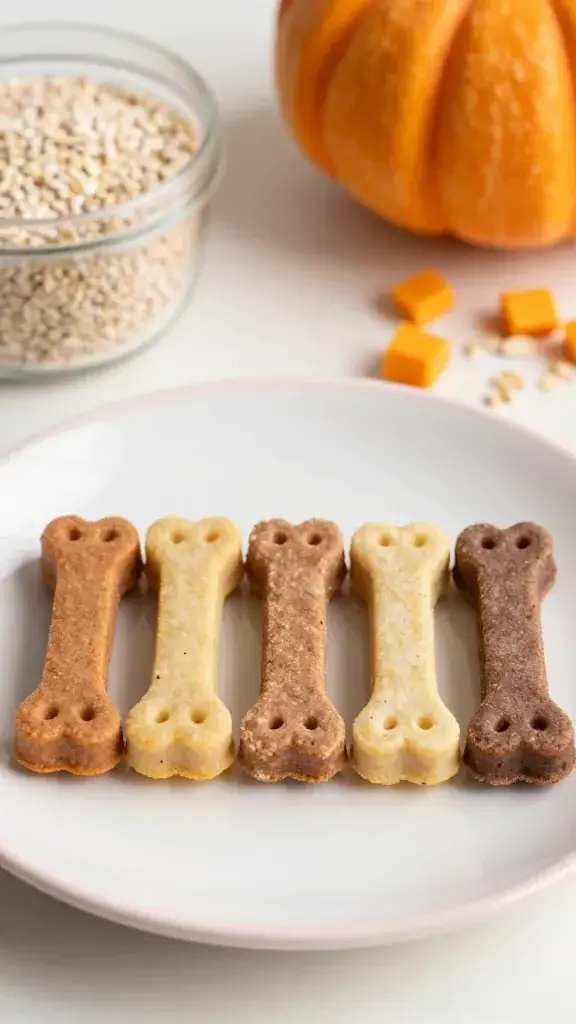
Soft treats shine in training, enrichment, and even as quick meal toppers for picky eaters.
Training drills
– Use a handful of tiny pieces as a bridge reward. Your dog will learn that the exact moment they perform the correct action, a bite-sized prize follows.
– Pair with hand cues or verbal praise to accelerate learning. Dogs love consistency almost as much as a good belly rub.
Enrichment ideas
– Hide-and-seek with soft treats increases mental stimulation. Hide a few under cups or around a room and let your dog sniff them out.
– Treat-dispensing toys filled with soft pieces keep them busy and satisfied longer than a single kibble snack.
FAQs about soft dog treats
Are soft treats better for dogs with dental issues?
Most soft treats are gentler on the gums and can be easier to chew than hard, crunchy options. However, be mindful of texture—some soft treats can be sticky and cling to teeth, which isn’t ideal for long-term dental health. Pair soft treats with regular teeth cleaning and dental chews recommended by your vet.
Can soft treats replace meals?
Nope. Soft treats should be occasional rewards or supplements, not a substitute for balanced meals. They’re great for training and enrichment, but your dog still needs proper nutrition from a regular diet.
How many soft treats should I give my dog per day?
That depends on size, activity level, and the specific product’s calorie count. A good rule of thumb is to count them as part of your dog’s daily calories and adjust meals accordingly. When in doubt, consult your vet or use the feeding guidelines on the package as a starting point.
My dog won’t touch soft treats. What now?
First, check the aroma and flavor. Some dogs are more motivated by meat-based flavors, while others prefer fish or poultry. Try a different brand or flavor, and ensure the texture isn’t too hard or too sticky for their liking. If resistance persists, it might be timing or training rather than the treat itself.
Are there any safety concerns with soft treats?
As with any edible, check for recalls and ingredient changes. Always supervise your dog during treat time to prevent choking, and avoid giving treats that are too large for your dog’s mouth. If your dog has a history of pancreatitis or food allergies, read labels carefully and consult your vet before introducing new treats.
Choosing the right soft treats for your specific dog
Think about your dog’s age, breed size, dental health, and dietary needs. A tiny senior chihuahua and a high-energy lab have very different treat requirements, even if both love soft textures.
– For puppies: start with simple, single-ingredient options to test tolerance and preference.
– For large breeds: look for bigger, chunkier soft treats that aren’t too crumbly, so they don’t end up chasing tiny pieces all over the floor.
– For dogs with allergies: prioritize hypoallergenic ingredients and avoid common allergens like certain grains, dairy, or beef if needed.
What I actually feed my dog (and why)
FYI, I rotate flavors and textures to keep things interesting. My go-to approach: a meat-based soft treat for training, a slightly fruity one for enrichment, and a occasional fish-flavored option to keep his sniffer engaged. I keep portions small and pair treats with short, frequent training sessions rather than long, exhausting marathons. It’s all about sustainable motivation and a happy tail.
Conclusion
Soft dog treats aren’t just a preference; they’re a practical tool for training, bonding, and making life a little easier for dogs with dental issues or picky palates. Choose options with real ingredients, watch the portion sizes, and mix up flavors to keep your pup curious. If you’re ever unsure, your veterinarian is your best ally—they can tailor suggestions to your dog’s health needs. Now go reward that good boy or girl like you mean it.