
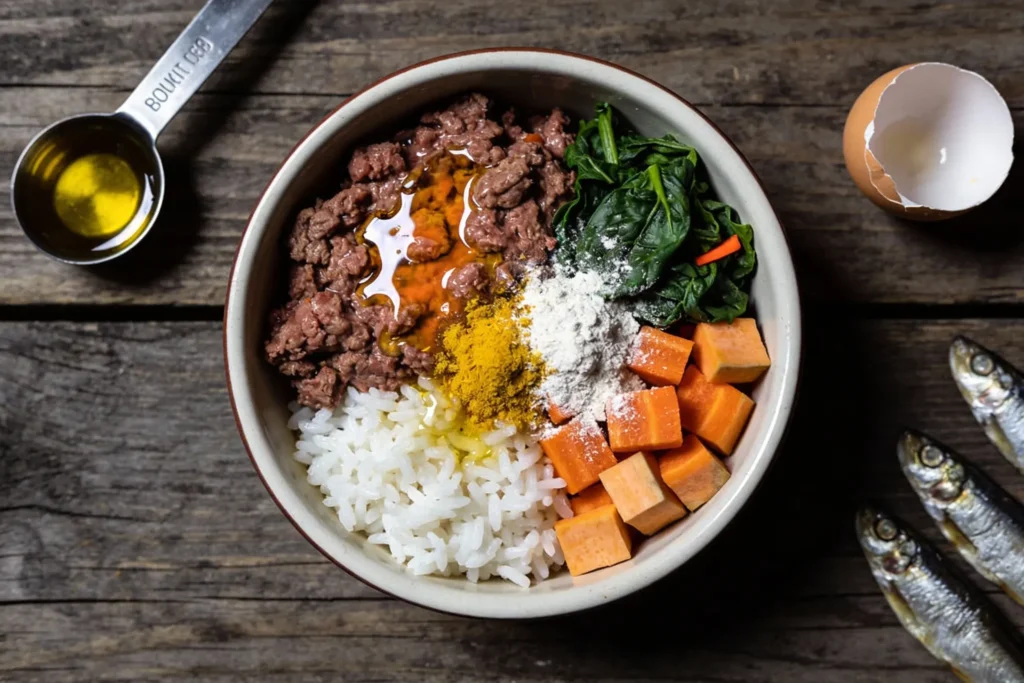
Some dogs inhale calories and still look like lanky runway models. If your pup needs safe, steady weight gain, you can absolutely help with a richer, home-cooked meal—without turning dinner into a greasy free-for-all. Today, I’ll show you a beef-based recipe that packs clean calories, quality protein, and the right fats. Bonus: it smells amazing, so picky eaters actually want it.
Why Your Dog Might Need a Weight-Gain Boost
Some dogs lose weight after illness, stress, or a growth spurt that came out of nowhere. Others just burn energy like tiny furry athletes. Either way, you want calories that actually nourish—think muscle-building protein, digestible carbs, and anti-inflammatory fats.
Rule of thumb: aim for slow, steady gain. Quick weight gain often means fat, not muscle, and that’s not the goal.
The Game Plan: High-Calorie, High-Quality Ingredients
We’ll build a bowl that checks four boxes:
- Protein for muscle repair (lean ground beef + eggs)
- Carbs for energy and easier digestion (white rice + sweet potato)
- Healthy fats for extra calories and skin/coat health (sardines or salmon oil, olive oil)
- Micronutrients from veggies and a dog-safe supplement (spinach, carrots, turmeric, calcium)
FYI: dogs need calcium when you cook boneless meat at home. Don’t skip it.
Beefy Weight-Gain Dog Food: Full Recipe
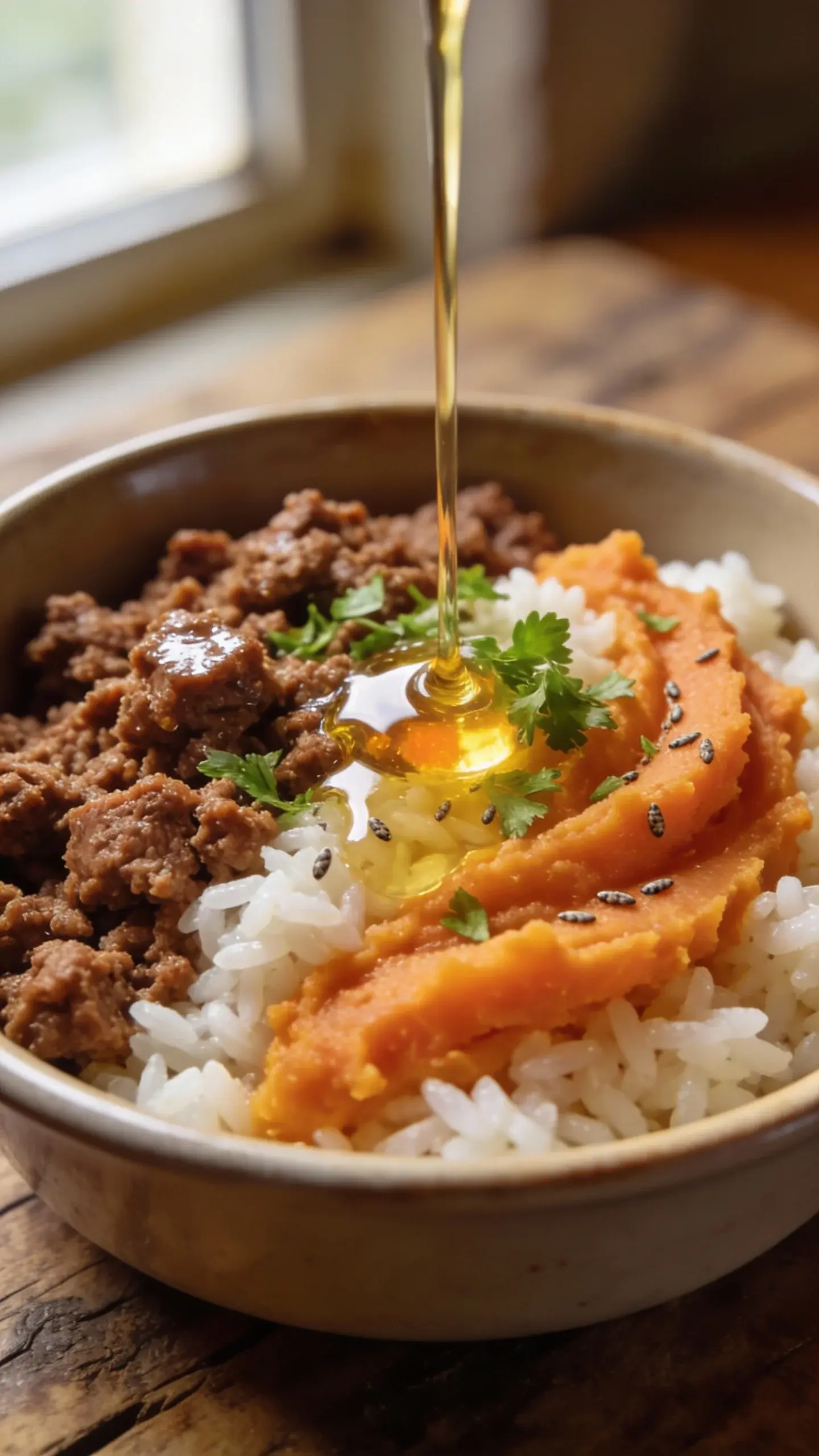
This batch makes roughly 8 cups (varies slightly), good for 2–4 days for a medium dog. Scale up or down as needed.
Ingredients
- 2 lb (900 g) 80–85% lean ground beef
- 1 cup white rice (uncooked), rinsed
- 1 large sweet potato, peeled and diced small
- 1 cup carrots, finely chopped or shredded
- 2 cups spinach, chopped
- 2 large eggs
- 1 can (3.75 oz) sardines in water, drained (or 2 tsp salmon oil)
- 2 tbsp olive oil (or chicken fat if you saved some from a roast)
- 1/2 tsp turmeric + a pinch of black pepper (optional, supports joints)
- 1/2 tsp iodized salt (optional for active, large dogs; skip if vet says low-sodium)
- Calcium source: 1 tsp finely ground eggshell powder or ~900 mg calcium carbonate
- Dog-safe multivitamin/mineral per label (non-negotiable for long-term home cooking)
Directions
- Cook the rice. Use 2 cups water. Simmer until tender and a little sticky—great for mixing and digesting.
- Steam the sweet potato and carrots until soft. You want easily mashable pieces for better absorption.
- Brown the beef in a large skillet over medium heat. Break it up well. Drain excess grease if it looks soupy; leave some fat for calories.
- Stir in spinach until it wilts. Pull off the heat.
- Crack in the eggs and stir through the warm mixture to lightly cook them (about 1–2 minutes). We’re going for soft-set, not runny.
- Add sardines (or salmon oil), olive oil, turmeric/pepper, and salt if using. Mix well.
- Fold in cooked rice and veggies. Combine thoroughly.
- Let it cool to room temp, then stir in the calcium. Add your dog-safe multivitamin per label.
Target nutrition: calorie-dense, moderate fat, high-quality protein. IMO, it beats random weight-gain hacks like scooping peanut butter into everything.
How Much to Feed (and How to Scale Up)
Start with your dog’s normal daily calories and add 10–20% for weight gain. Watch body condition weekly, not daily.
Quick math
- Small dogs (10–20 lb): 1/2–1 cup per meal, twice daily
- Medium dogs (30–50 lb): 1–1.5 cups per meal, twice daily
- Large dogs (60–90 lb): 1.5–2 cups per meal, twice daily
Every dog metabolizes differently—athletic breeds often need more. If your pup acts hungry and stays lean, bump the portion 10% and reassess in 5–7 days.
Smart Add-Ons To Boost Calories Safely
You can add small extras if you need more oomph without remaking the whole batch.
Great add-ons
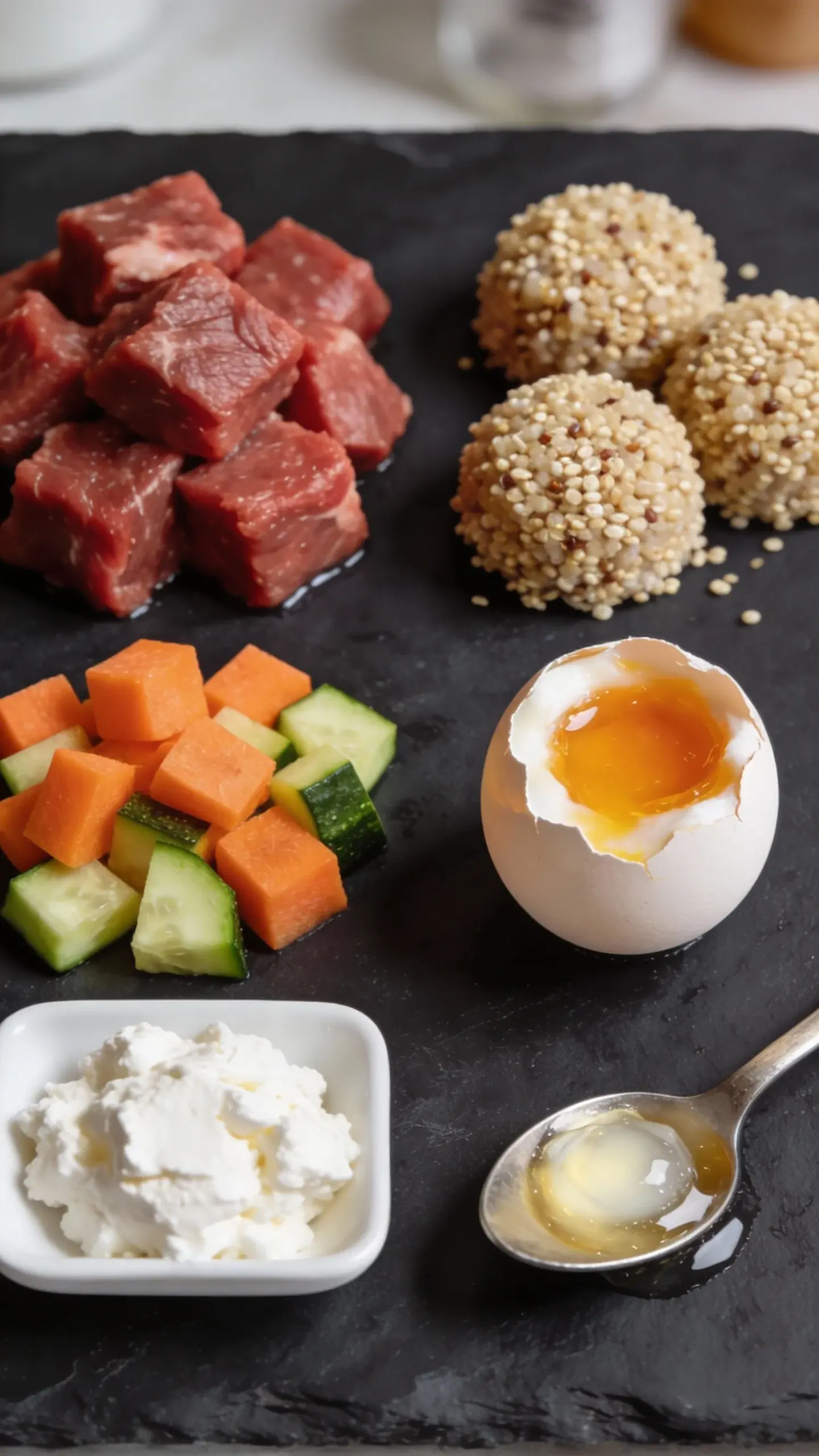
- Cottage cheese (1–2 tbsp per cup of food): extra protein and calories
- Goat’s milk or kefir (1–2 tbsp): gut-friendly and tasty
- Cooked oats (2–3 tbsp): gentle carbs if you need more volume
- Egg yolk (1–2 per day for big dogs): calorie-rich and shiny-coat magic
What to avoid
- Onions, garlic, chives (toxic)
- Grapes/raisins, xylitol, macadamias (very toxic)
- Heavy fats like bacon grease (pancreatitis risk)
- Raw bones in cooked food mixes (splinter hazard)
Transition Plan (So You Don’t Upset Tummies)
Switching food overnight can end… poorly. Do a slow transition over 5–7 days.
- Days 1–2: 25% new, 75% old
- Days 3–4: 50/50
- Days 5–6: 75% new, 25% old
- Day 7: 100% new
If stools soften, pause and hold at the current ratio for 1–2 days, then proceed. Easy.
How to Store and Serve
- Fridge: up to 4 days in airtight containers
- Freezer: up to 2 months; portion into meal-sized containers or silicone trays
- Reheat: warm to room temp or slightly above; don’t serve hot
Pro tip: add a splash of warm water before serving to boost aroma. Even picky divas show up for that.
Signs It’s Working (and When to Call the Vet)
You want visible but gradual progress.
- Good signs: brighter energy, steady weight gain (about 1–2% body weight per week), improved coat
- Red flags: vomiting, persistent diarrhea, dramatic weight loss, lethargy, or refusing food
If your dog is underweight after illness, parasites, dental pain, or a mystery reason, loop in your vet. FYI, medical issues can hide behind “picky eating.”
FAQs
Can I use ground turkey or chicken instead of beef?
Yes, but add extra fat since poultry runs lean. Use dark meat or mix in 1–2 tbsp olive oil per pound of meat. Monitor stools; some dogs digest beef better.
What if my dog has a sensitive stomach?
Go simpler at first: beef, rice, and sweet potato only. Skip sardines, spices, and oils for 3–5 days, then add them back one by one. Keep portions small and frequent.
Do I really need calcium?
Absolutely. Home-cooked boneless meat lacks calcium, and long-term deficiency causes serious issues. Add ground eggshell (1 tsp per pound of food) or a vet-approved calcium supplement. Non-negotiable, IMO.
Will this make my dog gain fat instead of muscle?
Not if you pair the calories with protein and movement. Keep daily walks and add short play sessions or light fetch. Muscle responds to use—just like ours.
How long until I see results?
Most dogs show changes in 1–2 weeks. Take weekly photos and weigh-ins. You want a gentle curve up, not a spike.
Can I feed this forever?
Yes, with a complete supplement and reasonable variety over time. Rotate proteins every few weeks (beef, turkey, pork, lamb) and keep calcium consistent. Annual vet check-ins keep you on track.
Conclusion
Healthy weight gain doesn’t need mystery powders or 12-ingredient “bulking” gimmicks. Cook a straightforward, calorie-dense beef meal, add the right fats, and keep calcium and a multivitamin in the mix. Transition slowly, feed a little more than usual, and watch your dog fill out with real, functional weight. And if your skinny legend still refuses dinner? Warm it up, add a sardine, and prepare to be very popular at mealtime.