
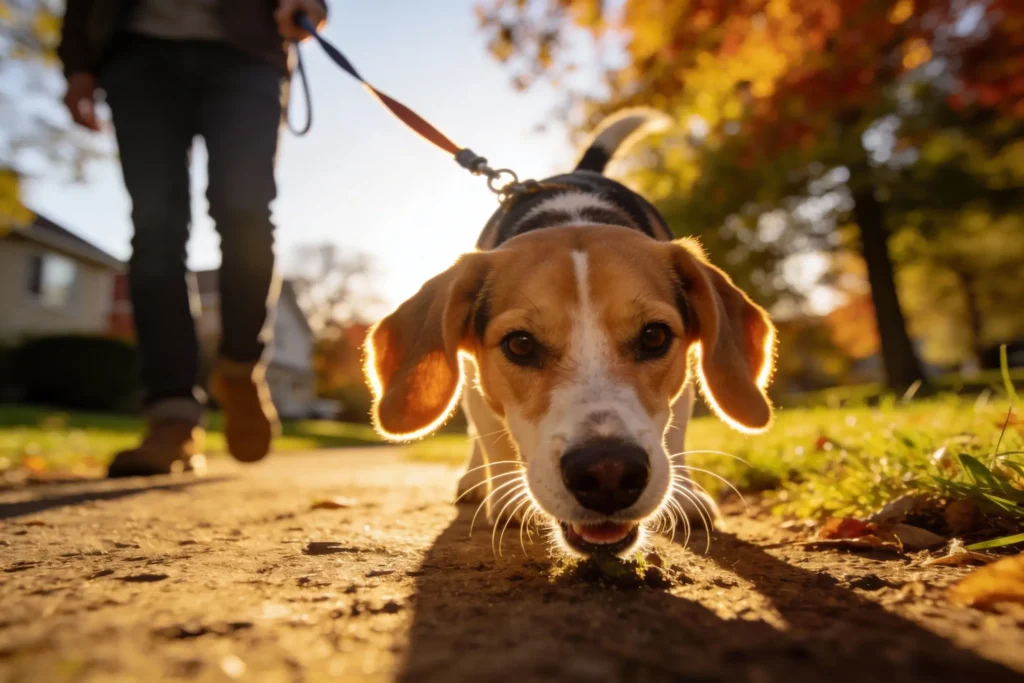
You just adopted a Beagle. Congratulations and… buckle up. You’ve brought home a nose with legs, wrapped in floppy ears and bad decisions. Beagles love hard, eat fast, and follow scents like it’s their side hustle. If you want a chill, always-off-leash vibe, sorry—this isn’t that dog. But if you want a funny, affectionate buddy who keeps life interesting, you’re in the right place.
Beagle Brain: Built by a Nose
Beagles don’t just smell things—they map the world through scent. When your Beagle catches a smell, the brain basically says, “Everything else can wait.” That’s why recall gets shaky when birds, burgers, or your neighbor’s compost enter the chat.
Translation: plan for scent-driven distractions. You’ll need patience and smart boundaries, not just good intentions.
Off-Leash Reality Check
Most Beagles can’t handle off-leash freedom in open areas. Not because they’re “bad dogs,” but because their instincts shout louder than your whistle. Use long training lines, fenced yards, and safe, enclosed spaces for zoomies.
The Sniff Walk (Your New Ritual)
Ditch the power-walk mindset. Beagles need “sniffaris”—slow walks where they investigate everything. It tires out their brain, reduces nuisance behaviors, and makes them way easier to live with. Aim for at least one daily sniff-focused walk.
Training: Outsmart, Don’t Strongarm
Beagles are smart, stubborn, and hilariously food motivated. You won’t win battles with force. You’ll win with snacks, consistency, and a sense of humor.
- Use high-value treats. Think tiny pieces of chicken, cheese, or freeze-dried liver. Kibble won’t cut it outside.
- Keep sessions short. Five minutes, a few times a day. Quit while they’re still excited.
- Practice impulse control. “Wait” at doors and food bowls. It makes daily life smoother.
- Teach a solid recall cue. Use a long line, reward like a game show host, and never call to end fun.
Crate Training That Doesn’t Suck
Crates help with potty training, chewing control, and Beagle FOMO. Make it cozy, toss treats inside, feed meals in there, and never use it as punishment. Start small: door open, then brief closures, then longer hangs with a chew.
Potty Training: The Honest Timeline
Beagles can take a bit longer. Use a tight schedule:
- Out first thing in the morning, after meals, after naps, and before bed.
- Praise like you just won a lifetime of free coffee when they go outside.
- Supervise indoors or leash to you; if you can’t watch, crate.
FYI: If accidents continue after a few months, rule out medical issues and reset the routine.
Exercise: More Than “Toss the Ball Twice”
Beagles need physical and mental workouts. A bored Beagle becomes a chaos goblin. Mix it up to keep their brain happy.
- Daily walks: 45–90 minutes total, broken into chunks. Include sniff time.
- Games: Hide-and-seek (with you or treats), scent work, puzzle toys.
- Training drills: 5 minutes here and there: sit, down, recall, leave it.
- Playdates: Dog-friendly Beagles love social runs—just supervise.
Enrichment Ideas That Actually Work
- Food puzzles: snuffle mats, Kong stuffed with wet food, lick mats.
- Scatter feeding: toss kibble in the grass and let them forage.
- Scent boxes: hide treats in one of several boxes and let them search.
IMO, a tired Beagle is a better roommate than a clever one with free time.
Food: Cute Beggar, Big Appetite
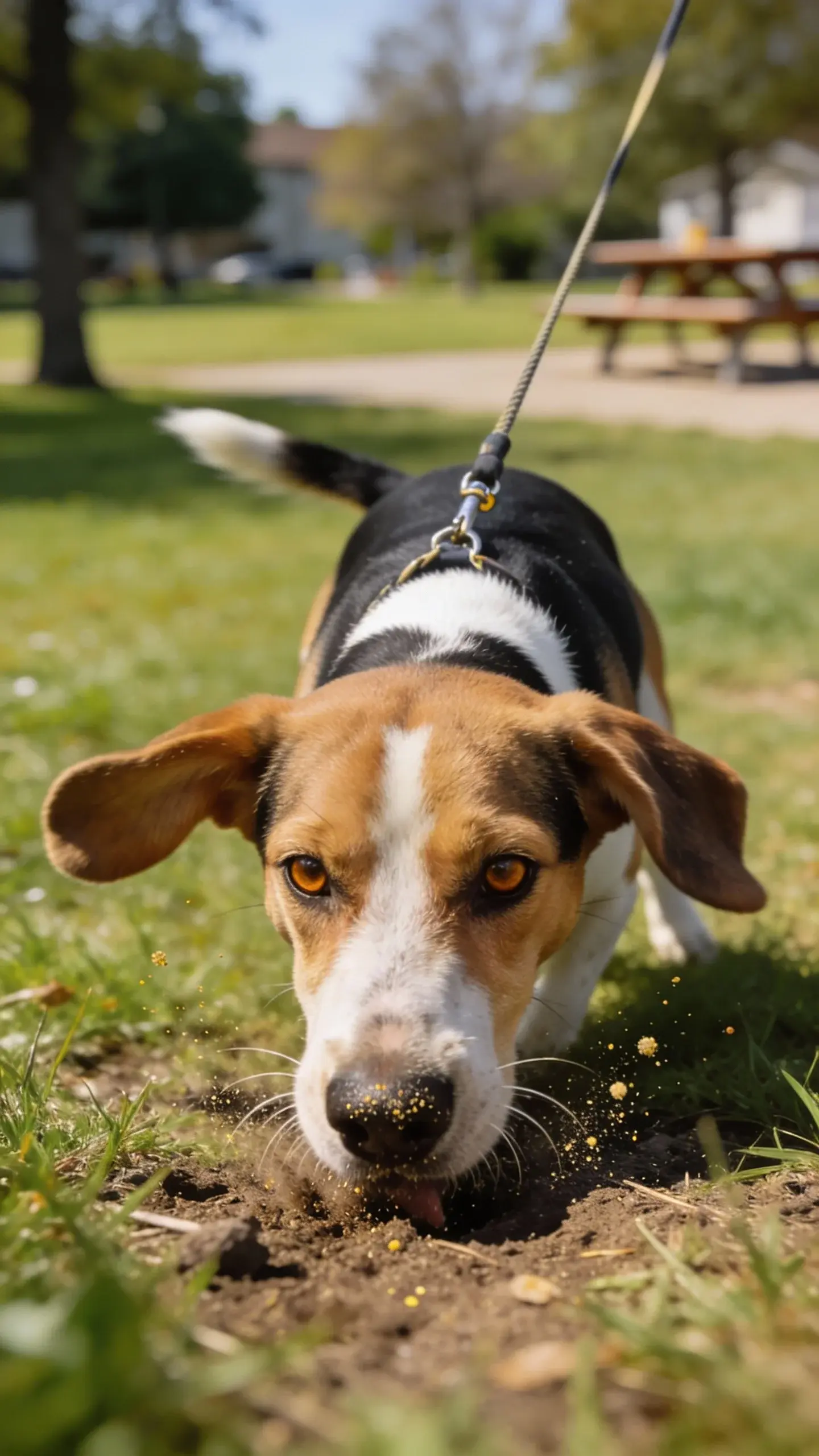
Beagles can inhale meals like vacuum cleaners. They also gain weight faster than you can say “table scraps.” Keep them trim for long-term joint and heart health.
- Choose a quality diet. Pick a complete, balanced food for your dog’s age and activity level.
- Measure every meal. Use a scale or a proper measuring cup. Adjust for treats.
- Slow it down. Use a slow-feeder bowl or stuff meals into puzzle toys.
- No free feeding. Scheduled meals only. Your couch cushions will thank you.
Treat Strategy Without the Chunky Side Effects
Use tiny treats, or cut high-value items into pea-sized bits. Balance treat calories by reducing meal portions slightly. Healthy options: lean meats, small bits of carrot or apple (no seeds), and single-ingredient training treats.
Grooming and Health: Low-Maintenance, Not No-Maintenance
Beagles have short coats, but they shed plenty. You’ll notice it most in spring and fall. A little routine keeps the fur tumbleweeds under control.
- Brush weekly. A rubber curry brush or de-shedding tool works great.
- Ears matter. Those floppy ears trap moisture. Check weekly and clean with vet-approved solution.
- Nails short. Trim every 2–3 weeks. If you hear clicks on the floor, it’s time.
- Dental care. Brush 3–4 times a week. Dental chews help, but brushing wins.
Health watch list: obesity, ear infections, allergies, intervertebral disc disease, epilepsy, and hypothyroidism. Schedule annual vet checks (twice yearly for seniors). Keep vaccines and preventatives current.
Spay/Neuter and Microchip
Talk timing with your vet—age and lifestyle matter. Microchip your Beagle and keep tags on. If they slip out, their nose may lead them on a tour of the neighborhood buffet.
Behavior Quirks You’ll Learn to Love (Mostly)
Beagles talk. You’ll hear barks, howls, and the famous bay. It’s adorable until the delivery guy shows up. Teach a strong “quiet” cue and reward calm behavior.
Chewing and scavenging? Yep. Beagles explore with their mouths. Dog-proof your home like you’d toddler-proof it:
- Secure trash cans and keep counters clear.
- Rotate durable chews and toys.
- Teach “leave it” and “drop it” early.
Separation stress can happen because Beagles love their people. Start with short absences, use stuffed Kongs, and keep departures/arrivals low-key. A camera helps you track progress.
Social Butterflies, Not Doormats
Beagles usually get along well with dogs and kids, but they still need early socialization. Positive exposure to different people, surfaces, sounds, and places builds confidence. Start ASAP, go slow, and make it fun.
Living with a Beagle: Home Setup That Works
Create a space where your Beagle can chill, chew, and nap without causing a crime scene.
- Crate or pen: A safe zone for downtime and management.
- Baby gates: Block off kitchens and trash zones.
- Toy rotation: Keep 3–5 toys out, rotate weekly to keep interest high.
- Leash by the door: Hang a long line for outdoor training and quick trips.
Safety Musts
- Fence your yard or use a long line. Don’t gamble with traffic or wildlife.
- Use a secure harness for walks—Beagle necks + collars = escape artists.
- ID tags and microchip info updated. Double up if you travel.
FAQ
Are Beagles good for first-time dog owners?
Yes, with realistic expectations. They’re friendly, sturdy, and fun. But they need consistent training, exercise, and boundaries. If you enjoy structure and have time for daily walks and sniff sessions, you’ll do great.
How much do Beagles bark or howl?
They’re vocal by nature. You can reduce nuisance barking with exercise, enrichment, and training a “quiet” cue. But total silence? Not happening. If you live in super noise-sensitive housing, think carefully.
Can Beagles live in apartments?
Absolutely, if you meet their exercise and sniff needs. Plan multiple short walks, mental games indoors, and good sound management. Consider white noise and window film to cut visual triggers. IMO, a well-exercised Beagle naps like a pro.
What’s the best way to train recall?
Start inside, use a unique cue, and pay with top-tier rewards. Practice on a long line outdoors and call only when you know they’ll come. Reward like it’s a jackpot every time. Never punish after they return, even if they took a detour.
Do Beagles get along with cats?
Many do, especially with slow, positive introductions and clear escape routes for the cat. Manage early chasing with leashes and gates. Some Beagles have a stronger prey drive than others, so go slowly and supervise.
How do I stop counter-surfing?
Manage the environment first: keep counters clear, use closed trash cans, and block access. Teach “leave it,” reinforce a “go to mat” cue, and reward calm behavior in the kitchen. Beagles repeat what pays off—make the kitchen boring.
Final Thoughts
Beagles bring chaos, comedy, and an unfair amount of cuteness. They’ll out-sniff your plans and out-charm your rules. Set smart boundaries, give their nose a job, and train with snacks and patience. Do that, and you’ll have a loyal, goofy teammate for all of life’s adventures—plus a living, breathing excuse to get outside every day. FYI: once a Beagle steals your heart, good luck getting it back.