
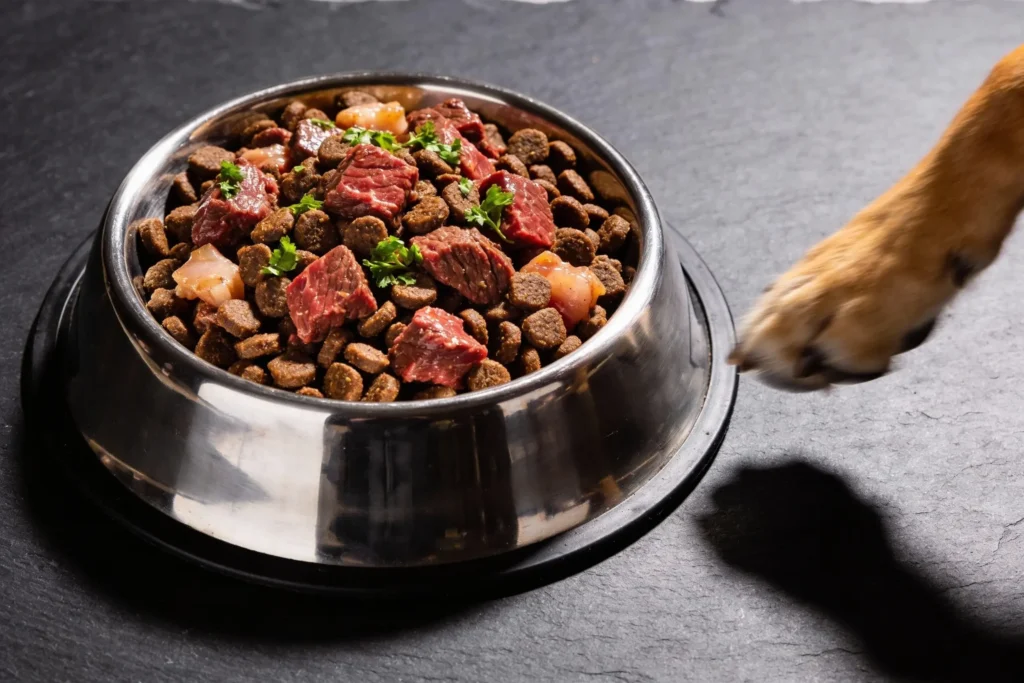
Your dog rockets off the couch like a furry missile the second you grab the leash, right? That kind of energy doesn’t run on vibes alone. Active dogs burn through calories, protein, and nutrients fast. Beef-based dog food delivers the power, amino acids, and flavor that keep those paws moving—and tails wagging. Let’s dig into why beef works so well and how to feed it the smart way.
Why Beef Packs a Performance Punch
Beef brings serious protein to the bowl. That protein supplies essential amino acids that help your dog build and repair muscle after long hikes, agility sessions, or zoomie marathons.
It’s not just about protein grams though. Beef also offers:
- Creatine for quick-burst energy and muscle power
- Heme iron for oxygen transport (better stamina)
- Zinc and B vitamins to support immune function, skin health, and metabolism
- Natural fats for concentrated energy and fat-soluble vitamin absorption
Bottom line: beef covers multiple performance bases, not just “protein.”
Protein Quality Matters
Your dog needs certain amino acids they can’t make on their own—like lysine, leucine, and methionine. Beef provides them in highly bioavailable forms. If your dog trains hard or runs daily, that quality makes a difference, IMO.
Beef vs. Other Proteins: What’s the Real Difference?
Chicken, turkey, and fish all have their place. You don’t need to pick sides like it’s a dog park debate.
Here’s where beef stands out:
- Higher iron and zinc than poultry—great for endurance and recovery
- Rich taste that picky eaters usually love
- Denser calories for dogs that struggle to keep weight on with heavy exercise
Does beef fit every dog? Not always. Dogs with beef sensitivities do better with fish or novel proteins. But for most active pups, beef shines.
When to Mix Proteins
Rotating proteins keeps meals interesting and may reduce the risk of developing sensitivities over time. Try beef most days and fold in salmon or turkey a couple times a week for omega-3 variety.
Fats, Carbs, and the “Fuel Mix” for Active Dogs
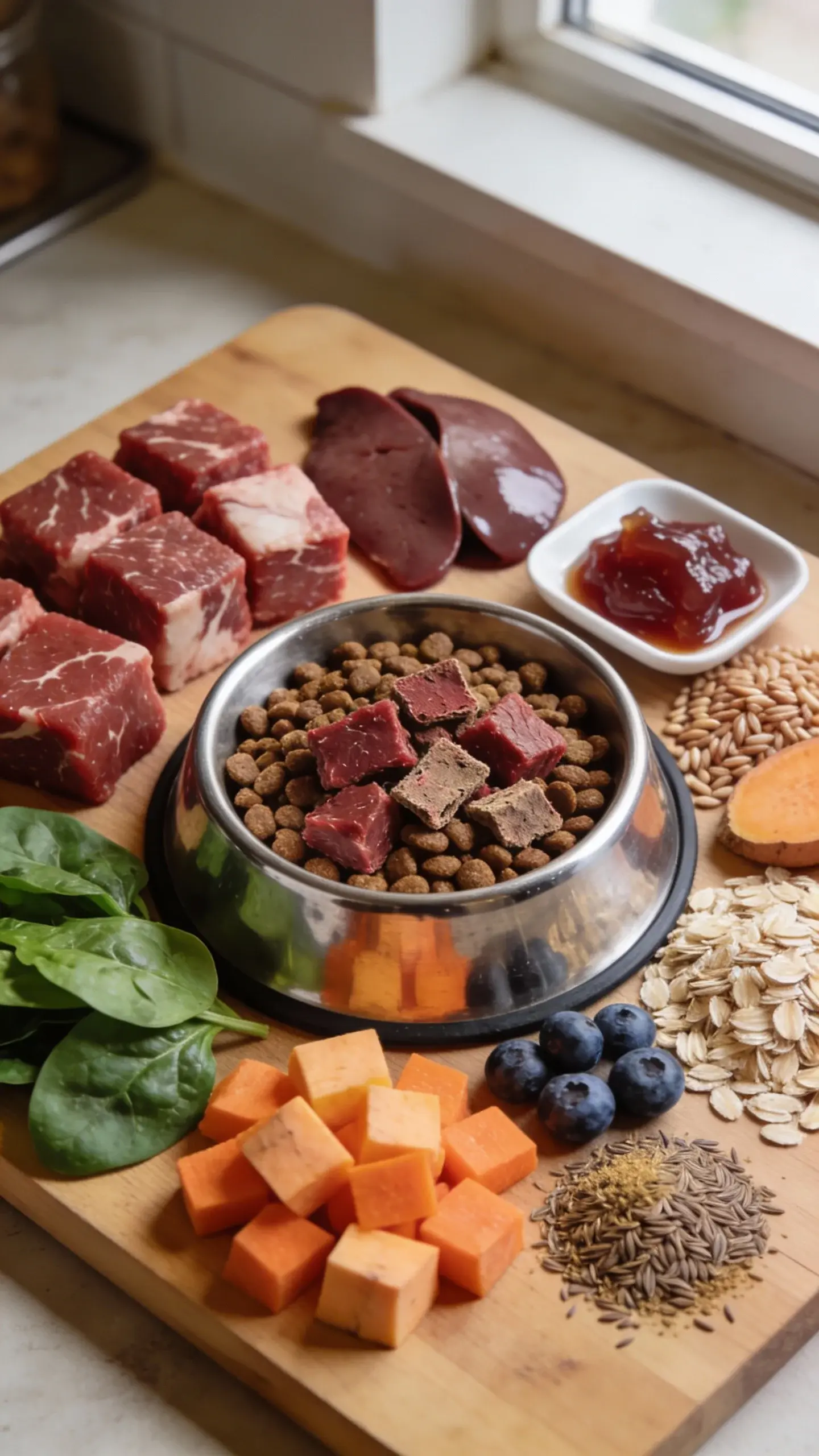
We talk protein a lot, but performance hinges on the whole macronutrient mix.
- Fats: Dogs use fat as a primary energy source during sustained activity. Beef fat supports endurance and calorie needs.
- Carbs: Useful for quick energy and glycogen replenishment—especially for agility, flyball, or back-to-back training days.
- Protein: Repairs and builds lean tissue after the fun (or chaos) ends.
Beef + Smart Add-Ins
Pair beef with:
- Sweet potatoes or brown rice for digestible carbs
- Blueberries and spinach for antioxidants
- Salmon oil for omega-3s to balance omega-6s in beef
FYI: balancing omega-3s helps skin, coat, and joint comfort after those extra miles.
DIY Beef Dog Food: Two Vet-Friendly Recipes
You can feed commercial beef formulas, but if you like cooking (or just like the smell of simmering beef—relatable), try these balanced options. Always transition slowly over 5–7 days.
Recipe 1: Endurance Beef and Sweet Potato Bowl
Best for active adult dogs who need energy-dense meals.
Yield: About 8 cups (adjust portions per your dog’s calorie needs)
Macros (approx): 35% protein, 30% fat, 35% carbs
Ingredients:
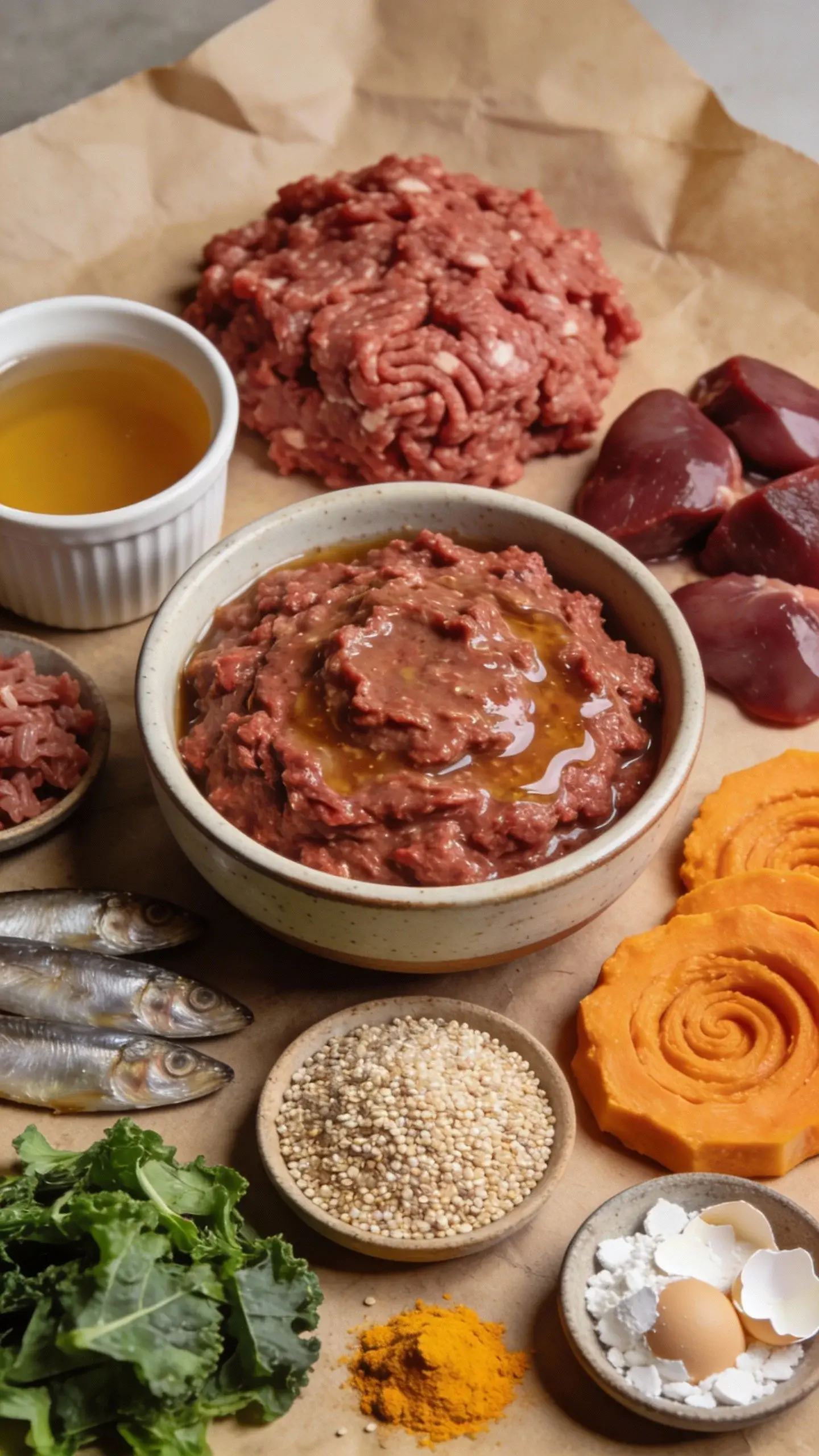
- 2 lb (900 g) lean ground beef (90/10)
- 2 cups cooked sweet potato, mashed
- 1 cup cooked quinoa, rinsed well
- 1 cup chopped spinach (lightly steamed)
- 1/2 cup finely chopped carrots
- 1 tbsp salmon oil (or 2 tsp sardine oil)
- 1 tsp ground eggshell (or 900 mg calcium carbonate) per 1 lb of meat used
- 1 large egg, scrambled (optional extra protein and choline)
- 1/4 tsp iodized salt (provides iodine; skip if using a complete canine supplement that includes iodine)
- Canine multivitamin/mineral supplement per label for homemade diets (critical for completeness)
Instructions:
- Brown the beef in a skillet over medium heat. Drain excess fat if needed.
- Steam spinach and carrots until tender. Don’t overdo it—just soft.
- Combine beef, sweet potato, quinoa, veggies, and scrambled egg in a large bowl.
- Stir in salmon oil, calcium source, and salt. Let cool.
- Add the canine supplement once the mixture is room temp. Portion into containers and refrigerate up to 3 days or freeze up to 2 months.
Feeding guide (general): 1/2 to 1 cup per 10 lb body weight daily, split into two meals. Adjust for activity level and body condition.
Recipe 2: Lean Beef Recovery Stew
Great after intense training when digestion needs something gentle but nourishing.
Yield: About 10 cups
Macros (approx): 32% protein, 20% fat, 48% carbs
Ingredients:
- 1.5 lb (680 g) extra-lean ground beef (93/7 or leaner)
- 2 cups cooked brown rice
- 1 cup chopped green beans
- 1 cup pumpkin puree (plain, not pie filling)
- 1/2 cup peas
- 2 tbsp olive oil or 1 tbsp salmon oil
- 900 mg calcium carbonate (or 1 tsp finely ground eggshell)
- 1/4 tsp iodized salt (see note above)
- Warm water or low-sodium bone broth to thin as needed
- Complete canine vitamin/mineral supplement per label
Instructions:
- Brown the beef and drain excess fat.
- Simmer green beans and peas until tender.
- Combine beef, rice, pumpkin, and veggies. Add oil, calcium, and salt. Thin with warm water or broth to stew consistency.
- Cool and stir in the supplement. Portion and store as above.
Pro tip: If your dog needs more calories, drizzle an extra teaspoon of salmon oil per cup at serving time.
How Much Beef Should an Active Dog Eat?
Start with a baseline, then tweak:
- Adults: 2–4% of ideal body weight per day in food, split into two meals
- Working/athletic dogs: Often 4–6%, depending on duration and intensity
- Puppies: 3–6 meals daily, and yes, they’re bottomless pits
Watch the ribs and waist. You should feel ribs easily but not see them dramatically. If your dog looks flat after long runs, bump calories. If they’re getting squishy, dial it back. Simple.
Signs You Nailed the Portion
- Steady energy throughout the day
- Firm, easy-to-pick-up stools (you’re welcome)
- Shiny coat and good muscle tone
Common Pitfalls with Beef Diets (and How to Avoid Them)
Let’s save you from the usual “whoops” moments:
- Not balancing calcium and phosphorus: Meat alone skews phosphorus high. Always add a calcium source.
- Skipping omega-3s: Beef tends to be omega-6 heavy. Add fish oil or sardines 3–4 times a week.
- Overdoing fat: Too much beef fat can cause loose stools or pancreatitis in sensitive dogs. Choose lean cuts if your dog has a history of GI issues.
- Ignoring micronutrients: Use a complete canine supplement for homemade diets. This isn’t optional, IMO.
- Too-fast transitions: Switch over 5–7 days to protect the gut.
Allergies and Sensitivities
If your dog licks paws constantly, gets ear gunk, or has recurring soft stools, consider a food sensitivity. Try a novel protein for 8–12 weeks and loop in your vet.
Reading Labels on Beef-Based Kibble or Cans
If you prefer store-bought (no judgment—life is busy), look for:
- Named meat: “Beef” or “Beef meal” as a top ingredient, not just “meat by-product.”
- A third-party feeding trial (AAFCO feeding statement) for active adult maintenance.
- Calorie density around 360–450 kcal/cup for active dogs; higher if your dog is a working athlete.
- Added omega-3 sources like fish oil or algae oil.
- Clear sourcing and transparency from the brand.
FAQ
Can puppies eat beef-based diets?
Yes, but choose a formula labeled for growth or “all life stages,” or use a vet-formulated homemade recipe designed for puppies. Puppies need precise calcium and phosphorus ratios for safe bone development.
Is raw beef better than cooked?
Raw can work for some dogs, but it carries pathogen risks and requires careful balancing. Cooked beef reduces bacteria and still delivers excellent nutrition. If you go raw, do it with a veterinary nutritionist’s plan, not vibes.
Will beef make my dog gain too much weight?
Not if you portion it right. Beef is calorie-dense, so measure meals and monitor body condition weekly. Increase exercise or cut back slightly if your dog gets thick through the middle.
What’s the best oil to pair with beef?
Fish oil or salmon oil for EPA/DHA omega-3s. They help balance omega-6s from beef and support joints, skin, and recovery. Start with about 50–100 mg combined EPA/DHA per 10 lb body weight daily.
How quickly will I see performance benefits?
Many dogs show better stamina and recovery within 2–4 weeks as muscle repairs and glycogen replenishment improve. Coat sheen and stool quality often improve faster.
Can I mix beef with kibble?
Absolutely. Top your dog’s kibble with a small portion of cooked beef and some veggies, then add fish oil. Just reduce kibble a bit so you don’t overfeed.
Conclusion
Beef-based dog food fuels active dogs with high-quality protein, iron, and tasty fats that support muscle, stamina, and recovery. Whether you cook at home or choose a solid commercial formula, focus on balance: add calcium, include omega-3s, and watch portions. Do that, and your adventure buddy will have the energy to chase every ball, trail, and squirrel life throws at them—responsibly, of course.