
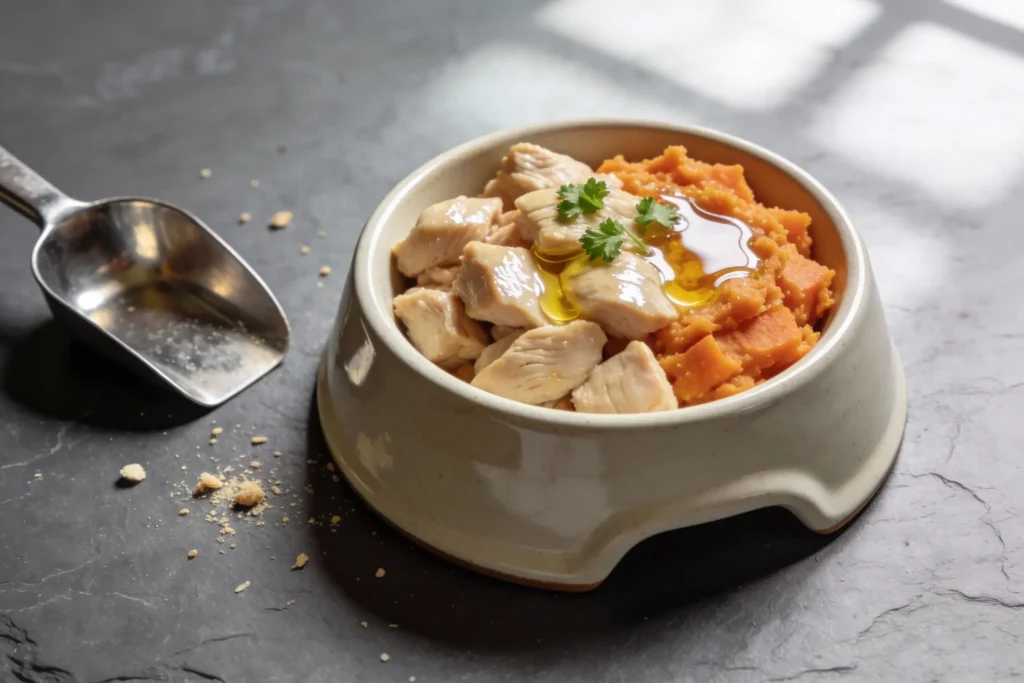
Chicken and sweet potato dog food hits that sweet spot between tasty and nutritious. Dogs devour it, and you feel like a culinary genius for serving something wholesome. It’s simple, digestible, and surprisingly versatile. Honestly, it’s hard to mess up—unless you forget the dog and eat it yourself. Don’t do that.
Why Chicken + Sweet Potato Works So Well
Chicken brings the lean protein; sweet potato brings the fiber and slow-burn carbs. Together, they make a balanced bowl that keeps your dog full and happy without the post-dinner zoomies. You get high-quality amino acids plus vitamins like A, C, and B6, and minerals like potassium.
Big perks in a nutshell:
- High-quality protein: Chicken supports muscle maintenance and repair.
- Digestive support: Sweet potatoes add gentle fiber that most dogs tolerate well.
- Steady energy: Complex carbs prevent that spike-crash cycle.
- Allergy-friendly (sometimes): Great for dogs that don’t do well on beef or grains.
But what about skin and coat?
Chicken has some healthy fats, but not tons. Sweet potato brings beta-carotene which supports skin health. For extra shine, add a drizzle of fish oil. Your vacuum will still suffer, but maybe a little less.
Decoding the Label: What to Look For
Shopping for dog food feels like reading a mystery novel where everyone is lying. Let’s keep it simple.
Green flags on a bag or can:
- Named protein first: “Chicken” or “Deboned chicken” should lead the ingredient list.
- Whole sweet potato: Not just starches or “potato by-products.”
- AAFCO statement: Look for “complete and balanced” for your dog’s life stage.
- Clear fat source: Chicken fat, salmon oil, or similar—dogs need fat for energy and vitamin absorption.
- Added micronutrients: Zinc, copper, vitamin E, taurine (especially for some breeds), and probiotics.
Red flags worth a side-eye:
- Vague meats like “animal meal” or “meat by-product” without the source named.
- Lots of fillers: pea fiber, multiple legumes stacked to “ingredient split.”
- Artificial colors or sweeteners (dogs don’t need Blue #12 to enjoy dinner).
Dry, Wet, or Fresh? Choosing a Format
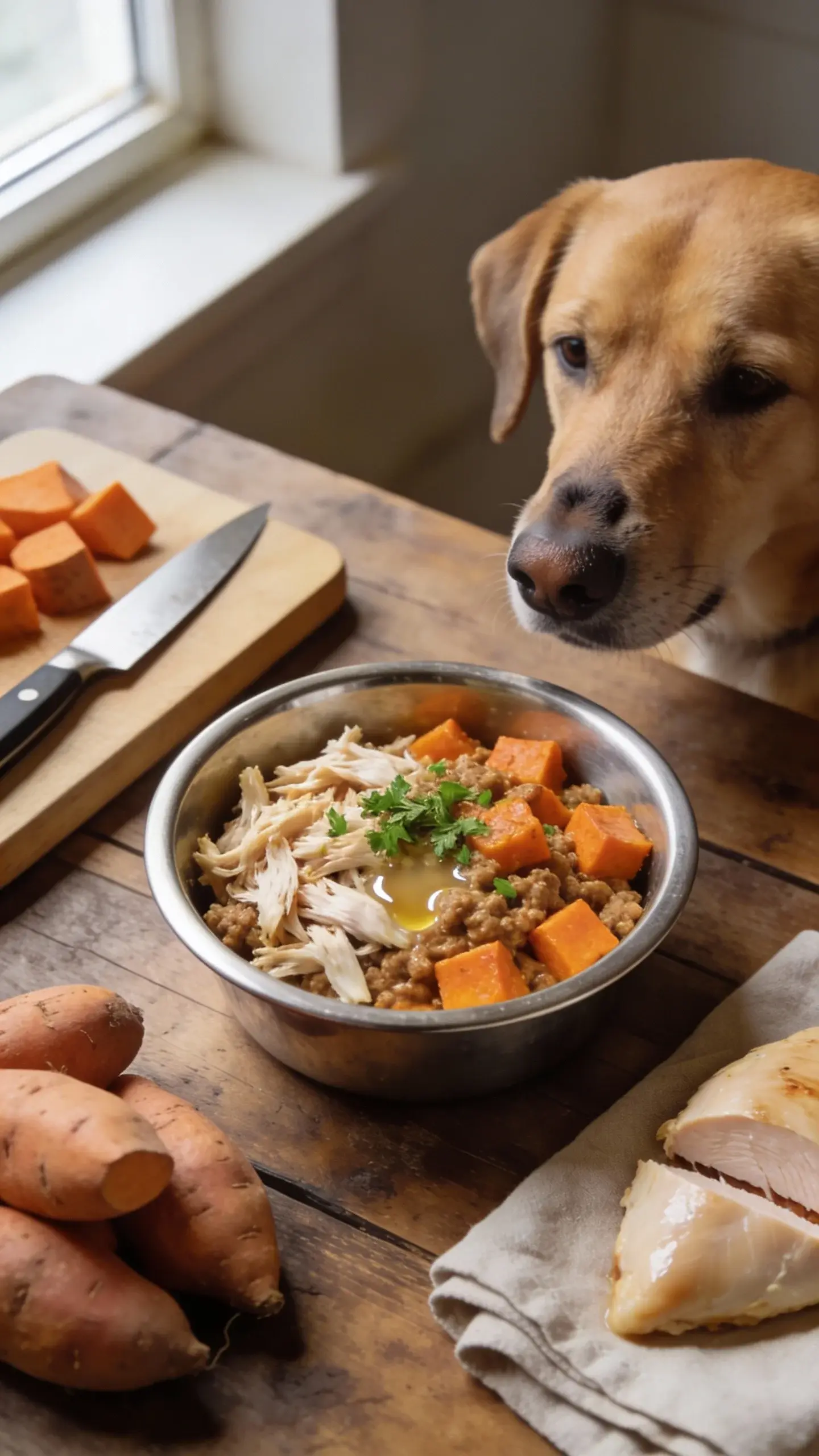
No format wins for everyone. Your dog’s gut, your budget, and your schedule will decide.
- Kibble: Convenient, budget-friendly, easy to store. Look for high meat inclusion and named fats.
- Wet food: Tasty, hydrating, gentle for seniors or picky eaters. Slightly pricier per serving.
- Fresh/frozen: Great ingredients and digestibility. Costs more, needs fridge/freezer space. Worth it IMO if you can swing it.
Mixing formats without chaos
Try a half-kibble, half-wet approach, or top kibble with a spoon of fresh food. Transition slowly to avoid dramatic poop art. FYI, a tablespoon of pumpkin can help stabilize stools during switches.
Homemade? Yes, But Do It Right
You can absolutely cook chicken and sweet potato at home. Dogs love it, and your house will smell amazing. Just don’t wing the nutrients.
Basic home-cooked template:
- Protein: Cooked chicken breast or thighs (no skin, no bones), shredded or chopped.
- Carbs/fiber: Steamed or baked sweet potatoes, mashed.
- Healthy fats: A small amount of salmon oil or olive oil.
- Extras: A little spinach or green beans, finely chopped.
Crucial step: Add a veterinary-formulated dog multivitamin/mineral or balance with a recipe from a board-certified veterinary nutritionist. Homemade meals need calcium, iodine, zinc, copper, vitamin D, and other nutrients that chicken and sweet potatoes alone don’t provide.
Portion guidelines
Start around:
- 1/2 to 3/4 cup per 10 lbs of body weight per day for a balanced home-cooked diet.
Adjust based on activity, age, and body condition. You want a visible waist and easy-to-feel ribs. If your dog looks like a potato, feed less.
Digestive Health and Food Sensitivities
Chicken and sweet potato often suit sensitive tummies because the combo is simple and low-residue. Many dogs with loose stools improve with sweet potato’s soluble fiber. That said, some dogs react to chicken. It happens.
Signs the food agrees with your dog:
- Consistent, formed stools (not a Jackson Pollock situation).
- Normal energy and a shiny coat.
- Less gas and itchiness.
Signs it doesn’t:
- Persistent itching, ear gunk, paw licking.
- Chronic soft stools or vomiting.
- Low energy or dull coat.
If chicken flops, what then?
Try turkey, salmon, or lamb with sweet potato. Keep the carb consistent while you swap proteins so you can actually tell what changed. And give each new food 2–3 weeks unless your dog reacts badly.
Smart Add-Ons to Level Up the Bowl
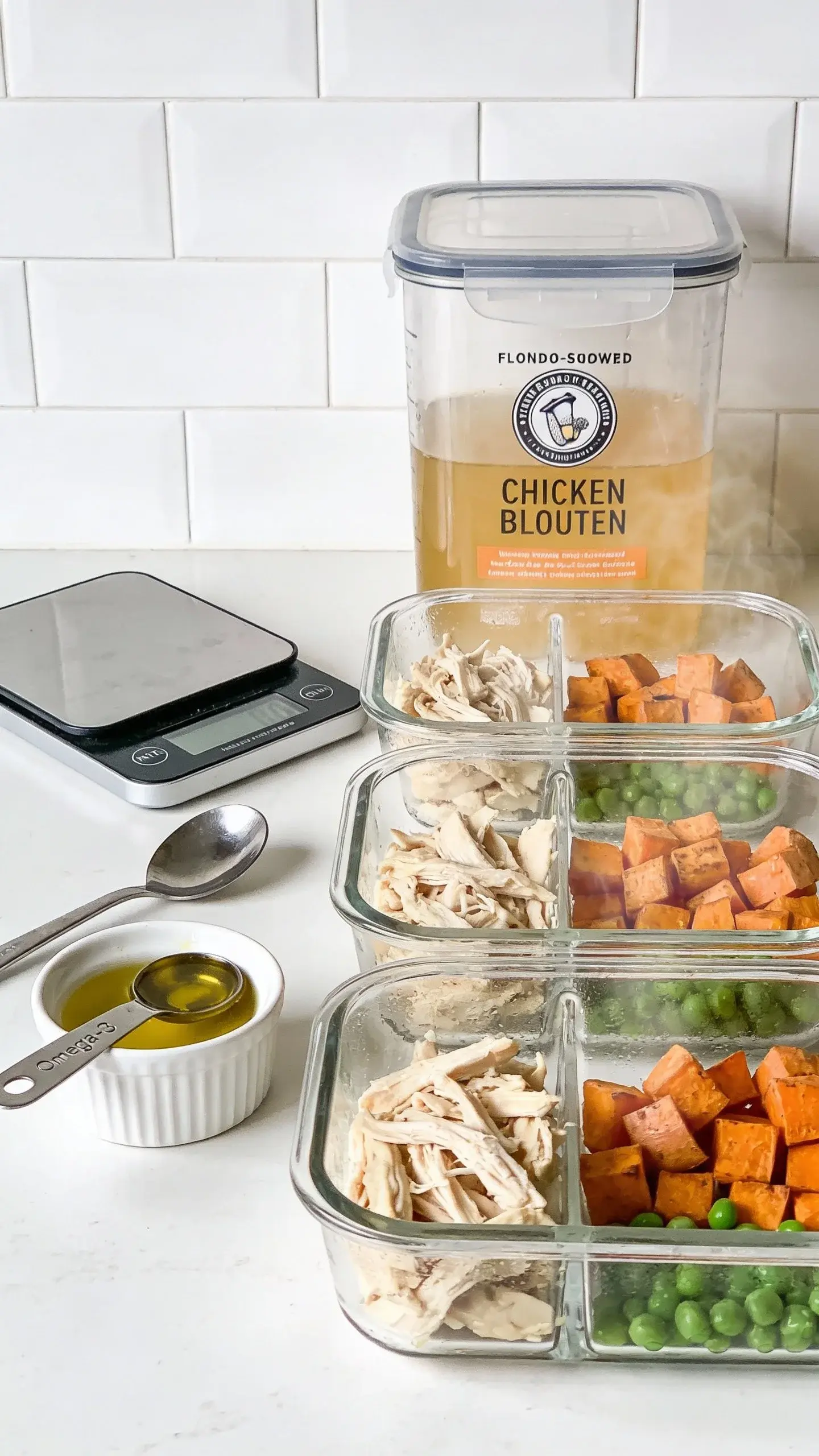
You don’t need to turn dinner into a chemistry experiment, but a few targeted boosts help.
- Omega-3s: Fish oil or sardines support skin, coat, and joints. Follow dosage on the bottle—more is not better.
- Probiotics: Daily probiotic can improve stool quality and immunity.
- Joint support: For seniors or big breeds, consider glucosamine and chondroitin.
- Hydration: Add warm water or bone broth (no onion, please) to kibble for flavor and fluid.
What to skip, seriously
- Onions, garlic, grapes, raisins, xylitol—hard no.
- Chicken bones—splinter risk.
- Lots of butter or salt—your dog doesn’t need a diner special.
Picky Eaters and Real-Life Feeding Tips
Some dogs need a little culinary theater. No shame.
Tricks that actually work:
- Warm the food slightly to release aroma.
- Add a spoon of wet food or unsalted bone broth.
- Use a puzzle feeder to make meals fun.
- Stick to a schedule and pick up leftovers after 20 minutes. Grazing encourages snobbery.
Weight management with this combo
Chicken is lean and sweet potatoes are filling, so it fits weight control nicely. Choose a food with a moderate fat content and watch treat creep. Veggie snacks like green beans help when “those eyes” show up.
FAQs
Is chicken and sweet potato good for dogs every day?
Yes—if the food is labeled “complete and balanced,” or if your homemade version uses a proper balancing supplement. Rotate proteins every few months if your dog tolerates variety. It keeps meals interesting and helps cover micronutrient bases, IMO.
Can puppies eat chicken and sweet potato?
They can, but choose a formula specifically for puppies or “all life stages” with DHA and correct calcium-to-phosphorus ratios. Puppies grow fast and need precise nutrition. Don’t DIY puppy diets without a vet nutritionist.
Will sweet potato make my dog’s poop orange?
Possibly a little. That’s normal with beta-carotene-rich foods. If the stool stays soft for more than a few days, reduce the portion or add a small amount of plain pumpkin for balance.
What if my dog is allergic to chicken?
Switch the protein and keep the rest steady. Try turkey, salmon, or duck with sweet potato. Work with your vet for an elimination diet if symptoms persist—itchy ears and paws often point to food sensitivities.
How much should I feed per day?
Follow the bag’s feeding chart as a starting point, then adjust by your dog’s body condition. For homemade, 1/2 to 3/4 cup per 10 lbs per day works for many dogs, split into two meals. Reassess every 2–4 weeks.
Is grain-free with chicken and sweet potato better?
Not automatically. Some dogs do great on grains like oats or rice. Focus on quality protein, digestibility, and your dog’s actual response. Grain-free isn’t a personality trait.
Conclusion
Chicken and sweet potato dog food earns its popularity because it’s simple, tasty, and generally easy on digestion. Pick a quality product, or make it at home with the right supplements and portions. Watch your dog, not just the label—energy, coat, and poop tell the truth. Nail those, and you’ve got a happy pup and a stress-free dinner routine, FYI.
About the Author

David
Blogger/YouTuber
A guitar nerd, the myth, the legend.