
So you just brought home a dog or you’re about to? Congrats. Your life is about to get 1000% fluffier and slightly messier.
This guide gives you the must-knows without the boring lecture vibes. We’ll cover setup, training, nutrition, health, grooming, and how to keep that tail wagging daily.
Ready to build a great life with your new BFF? Let’s go.
Set Up Your Home Like A Dog-Proof Boss
Think of your house as a toddler zone with sharper teeth. If it dangles, dings, or looks chewable, your dog will find it. Start with a safe base and reduce temptation.
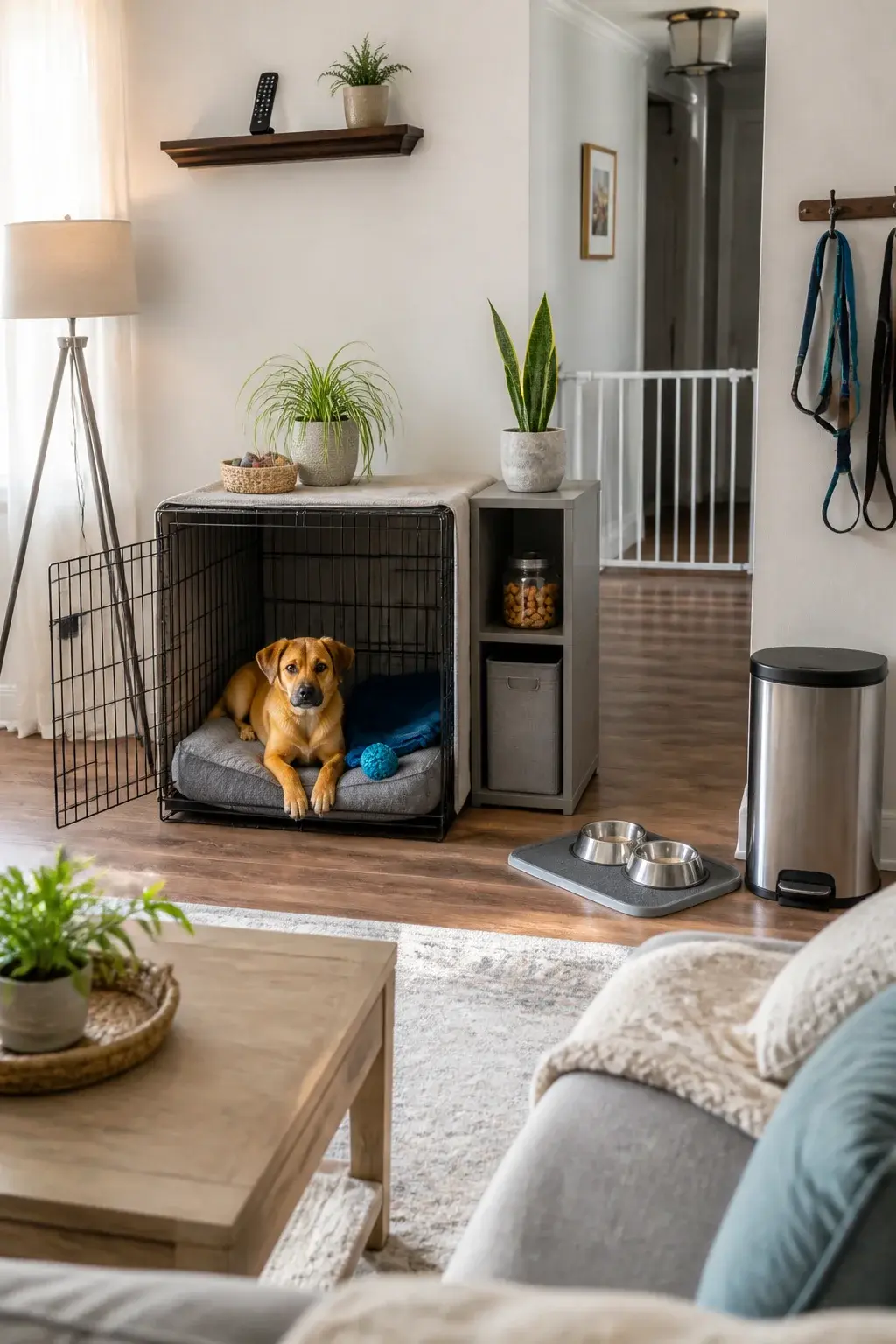
- Create a den space: A properly sized crate or pen gives your dog a cozy retreat and helps with potty training. Add a washable bed, a blanket, and a tough chew.
- Hide the hazards: Tuck away cords, remote controls, hair ties, and meds. Move houseplants that are toxic to dogs like pothos, philodendron, and sago palm.
- Trash-proof your life: Use a lidded bin or put it behind a cabinet. Nothing ruins date night like your dog discovering chicken bones.
- Stock essentials: Food and water bowls, ID tag, leash and harness, poop bags, crate, bed, two or three chew toys, a snuffle mat, and enzyme cleaner for accidents.
Pick The Right Gear
– Collar + ID tag: Go for a flat collar with a secure fit. You should fit two fingers under it.
– Harness: A front-clip harness helps reduce pulling without pressure on the neck.
– Leash: A 4 to 6-foot leash beats a flexi leash for control and safety, especially early on.
Food, Treats, And Bowls: Keep It Healthy And Simple
You control the menu, so keep it dog-safe and digestible. Your dog’s stomach will thank you. So will your rug.
- Choose a complete, balanced food: Look for life-stage appropriate (puppy, adult, senior). If you switch brands, transition over 7 to 10 days to avoid tummy drama.
- Portion wisely: Use the package chart as a starting point and adjust based on body condition. You want a visible waist and easily felt ribs.
- Treats with purpose: Use small, soft training treats so you can reward often without overloading calories. Aim for treats under 10% of daily calories.
- Safe add-ins: Plain cooked lean meats, plain pumpkin, blueberries, green beans, or a spoon of plain yogurt can make meals exciting. FYI: no onions, garlic, grapes, raisins, xylitol, chocolate, alcohol, or cooked bones.
- Fresh water always: Wash bowls daily. Stainless steel beats plastic for cleanliness.
Homemade Dog-Friendly Frozen Kong Filler
– 1/3 cup plain unsweetened yogurt
– 2 tbsp plain canned pumpkin
– A few mashed blueberries
– Mix, stuff in a rubber Kong, and freeze. It’s safe, simple, and keeps your dog busy. IMO, it’s enrichment gold.
Potty Training And House Rules Without Tears
Accidents happen. You will survive. Consistency turns chaos into routine fast.
- Set a schedule: First thing in the morning, after meals, after naps, after play, and before bed. Puppies often need to go every 1 to 2 hours.
- Choose a potty spot: Go to the same spot, say a cue like “Go potty,” and party when they go. Yes, you should cheer in your yard like a weirdo.
- Crate and supervise: If you can’t watch, crate or pen. Freedom expands as accidents shrink.
- Clean with enzyme cleaner: Regular cleaners leave scent behind, which invites repeat offenses.
Set Gentle House Rules
– Jumping: Ask for a sit before greetings. Reward four paws on the floor.
– Furniture: Decide yes or no on day one and stick to it. Consistency matters.
– Barking: Teach “quiet” by rewarding silence after one bark cycle. Meet needs first: exercise, potty, enrichment.
Train The Fun Way: Positive Reinforcement Wins
Your dog works for what pays. Make the paycheck tasty and the tasks simple.
- Reward what you like immediately: Sit before meals, quiet before opening doors, calm before clipping the leash.
- Short sessions: 3 to 5 minutes, a few times a day. End on a win.
- Core cues: Name recognition, sit, down, touch, leave it, drop it, come, and stay.
- Use a marker: A clicker or a crisp “Yes!” helps your dog learn faster.
- Prevent resource guarding: Trade up. Offer a better treat when you take a toy. Never yank things away for fun.
Recall That Actually Works
– Start indoors with zero distractions.
– Say your recall word once, then reward big when your dog gets to you.
– Level up to a long line outdoors. Pay every time. Only call when you can make it a win.
– Never use recall to end fun constantly. Sometimes call, reward, then release back to play. Sneaky, right?
Exercise And Enrichment: A Tired Brain Behaves
Physical exercise matters, but mental work makes magic. Bored dogs redecorate your house with their teeth.
- Daily movement: Tailor to breed and age. Young puppies need short outings and lots of naps. High-energy dogs need structured fetch, tug, and sniffy walks.
- Sniff time: Let your dog sniff on walks. It lowers stress and drains energy. Think of it as their social feed.
- Enrichment toys: Puzzle feeders, lick mats, Kongs, cardboard box shredding with kibble inside, and DIY snuffle mats.
- Training games: Hide-and-seek recall, find-it with treats, and scatter feeding in the yard.
Rainy-Day Energy Burners
– 10-minute tug session with rules: “Take it,” “Drop,” “Sit,” then resume.
– Scent work: Hide six treats around a room and let your dog hunt.
– Trick training: Spin, paw, roll over. It’s cute and exhausting.
Health Basics: Vet Visits, Vaccines, And Safety
Strong health habits keep emergencies rare and bills lower. Future you will thank present you.
- Find a vet early: Schedule a wellness exam in the first week. Bring any records you have.
- Core vaccines: Distemper-parvo series and rabies as required. Your vet will map the timing. Keep proof handy.
- Preventives: Heartworm, flea, and tick prevention monthly in most regions. Ask what fits your area.
- Spay/neuter: Discuss ideal timing with your vet based on breed and health.
- Microchip + register: The chip means nothing if you don’t register and keep info updated.
- Pet insurance or savings: Choose one. Emergencies happen, and X-rays aren’t cheap.
Red Flags You Should Never Ignore
– Lethargy, refusal to eat for over 24 hours, repeated vomiting or diarrhea
– Straining to pee or poop, or blood in either
– Sudden lameness, bloated belly, nonstop panting at rest
If you see these, call your vet or an emergency clinic. Better safe than sorry, IMO.
Grooming And Home Care Without The Drama
Grooming builds trust if you start slow and sweeten the deal with treats. No wrestling matches required.
- Brushing: Frequency depends on coat type. Short coats weekly, long or double coats several times a week. Use a slicker brush for most coats and a de-shedding tool during blowout season.
- Nails: Trim every 2 to 4 weeks. If you hear clicking on hard floors, they’re too long. Try a grinder if clippers make you nervous.
- Bathing: Every 4 to 8 weeks or when smelly. Use dog shampoo, rinse well, and dry thoroughly.
- Teeth: Brush with dog toothpaste a few times a week. Dental chews help, but brushing wins.
- Ears: Check weekly for redness or stink. Clean with vet-approved ear cleaner, not cotton swabs deep in the canal.
Desensitization Tricks
– Touch a paw, treat. Hold a paw, treat. Clip one nail, jackpot. Stop.
– Pair the sound of the grinder or hairdryer with snacks before using it.
– Do “grooming rehearsals” for 60 seconds daily. Tiny reps beat epic struggles.
Socialization And Confidence Building
Your dog needs good experiences with people, dogs, places, and sounds. Not chaos, just quality reps.
- Start easy: Calm, friendly dogs and polite humans first. Reward curiosity, never force interactions.
- Field trips: Vet lobby for treats, drive-thrus for chicken nuggets without breading, and hardware stores that allow dogs. Keep visits short and happy.
- Sound training: Play low-volume recordings of fireworks, thunder, and city noise while you feed treats. Increase volume slowly.
- Body language 101: Loose wiggles and soft eyes mean yes. Lip licking, yawning, tucked tail, or whale eye mean give space.
Dog Parks: Yes Or No?
Dog parks can be great or chaotic. If your dog loves rough play and you read dog body language well, great. If your dog is shy or still learning, stick to playdates with known dogs or sniffy walks. Safety over FOMO, every time.
Budget And Time: Plan Like A Realist
Dogs don’t need diamond collars, but they do need steady care. Plan the time and money, and life gets easier.
- Monthly costs: Food, preventives, poop bags, and training treats. Add grooming for certain breeds.
- Yearly costs: Wellness exam, vaccines, heartworm test, and dental care as needed.
- Time daily: Walks, feeding, short training, and chill time. Aim for 60 to 90 minutes total spread through the day, more for high-energy dogs.
- Backup plan: Pet sitter, friend, or daycare for long workdays. Boredom breeds mischief.
FAQ
How Often Should I Feed My Dog?
Puppies usually eat three to four small meals a day. Adults do well on two meals spaced 8 to 12 hours apart. Keep meal times consistent and pick up the bowl after 15 minutes to build routine.
When Can I Start Training?
Start day one with simple cues and house manners. Keep sessions short and happy. Use soft treats, mark the correct behavior, and end with play so your dog loves learning.
What Vaccines Are Essential?
Core vaccines include distemper-parvo and rabies. Your vet may recommend leptospirosis, Bordetella, or influenza based on your area and lifestyle. Keep records and set reminders for boosters.
How Much Exercise Does My Dog Need?
It depends on age and breed. Many adult dogs thrive with 45 to 90 minutes of mixed activity plus enrichment. Puppies need short play bursts and lots of naps to protect growing joints.
How Do I Stop My Dog From Chewing Everything?
Provide legal chew options, rotate toys, and supervise. Use a crate or pen when you can’t watch. Redirect to a chew and reward. Chewing soothes stress and teething, so meet the need rather than scolding.
Should I Use A Trainer?
If you feel stuck or overwhelmed, absolutely. Look for a trainer who uses positive reinforcement methods. Ask about certifications and observe a class before you commit.
Conclusion
You don’t need to be perfect. You just need to be consistent, kind, and a little bit prepared. With smart setup, positive training, and daily enrichment, you’ll raise a confident, happy dog who thinks you hung the moon. And honestly, you kind of did. FYI: screenshot this, stock the treats, and enjoy the ride.
About the Author

David
Blogger/YouTuber
A guitar nerd, the myth, the legend.