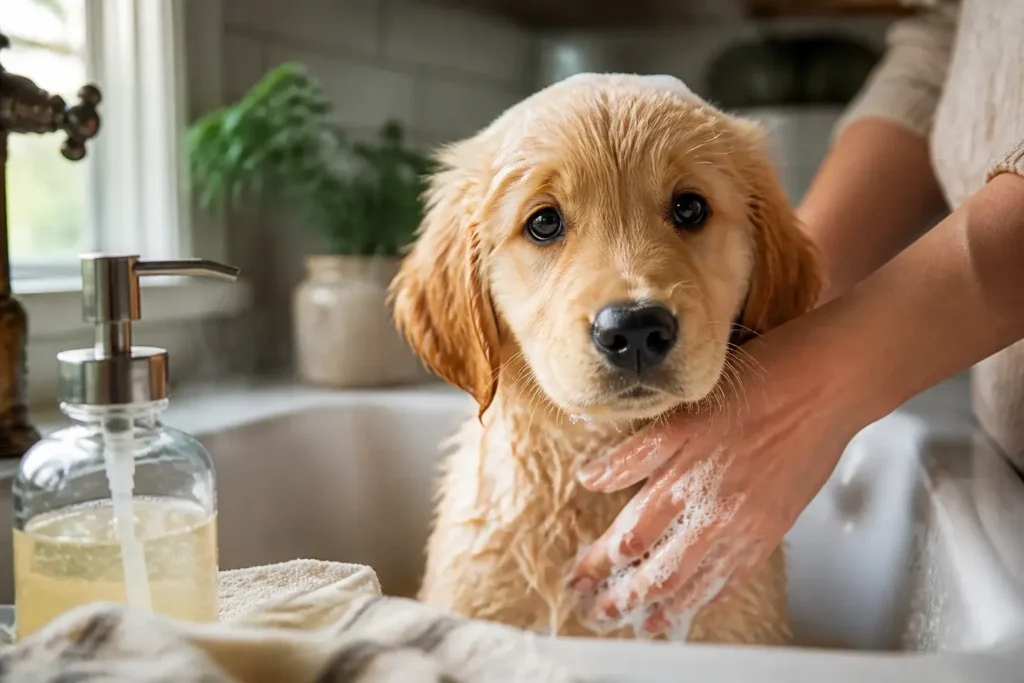
You want a clean dog that smells like sunshine and cuddles without mystery chemicals, right?
Good news: you can make safe, simple DIY dog bath soap at home with a few gentle ingredients.
Even better, it costs less, works great, and you control exactly what goes on your pup’s skin. Let’s get those tails wagging.
Why DIY Dog Soap Beats Store-Bought
Big brands often cram shampoos with sulfates, synthetic fragrances, and dyes. Your dog’s skin has a different pH than yours, and harsh surfactants can strip their natural oils. Cue the scratching and stink reappearing two days later.
With DIY, you choose mild, dog-safe ingredients. You skip the “fresh meadow” perfume that smells like a candle shop exploded. And FYI, you customize for sensitive skin, flaky coats, or stinky post-hike funk. IMO, that’s a win.
Dog-Safe Ingredients: What to Use and What to Skip
Let’s keep it simple and safe. Dogs lick themselves, so if it isn’t safe enough to eat a tiny bit of by accident, it doesn’t go in.
Choose These
- Unscented liquid Castile soap (mild, plant-based, no fragrances). Dilute it to keep it gentle.
- Distilled water to avoid minerals and microbes that can irritate skin over time.
- Vegetable glycerin for moisture and a silky feel. It helps the coat shine without greasiness.
- Colloidal oatmeal (finely ground, cosmetic-grade) to soothe itchy skin and hot spots.
- Aloe vera gel (pure, no added color, alcohol, or lidocaine) for calming and hydration.
- Light dog-safe oils like fractionated coconut oil or sunflower oil for extra conditioning, used sparingly.
- Optional: Apple cider vinegar (ACV), diluted heavily, for deodorizing and shine. Use tiny amounts only.
Avoid These
- Essential oils for soap. Many are risky for dogs, especially tea tree, peppermint, wintergreen, clove, and citrus. Just skip them.
- Human shampoo or baby shampoo due to different pH and fragrances.
- Artificial fragrance and dyes that can irritate sensitive pups.
- Baking soda in soap. It can disrupt skin pH and dry the coat.
- Raw honey or milk in leave-on mixes. They spoil. If you use honey, rinse thoroughly and store soap in the fridge, but honestly, it’s not needed.
The Easiest DIY Dog Bath Soap (Everyday Gentle Shampoo)
This is a no-fuss, rinse-clean formula that suits most healthy dogs. It’s sudsy enough to cut through grime, but kind to sensitive skin. Make a small batch and use it within 3-4 weeks.
What You’ll Need
- 1 cup distilled water
- 1/4 cup unscented liquid Castile soap
- 1 tablespoon vegetable glycerin
- 1 tablespoon aloe vera gel
- Optional: 1 teaspoon ACV
- Clean squeeze bottle or foaming pump bottle
Directions
- Pour distilled water into your clean bottle first. This helps reduce sudsy overflow.
- Add Castile soap. Tip the bottle and pour slowly.
- Stir or swirl in glycerin and aloe. If using ACV, add it now.
- Cap and swirl gently. Don’t shake like a maraca unless you enjoy permanent foam.
How to Use It
- Brush out tangles before the bath.
- Wet your dog with lukewarm water. Not hot. Not cold. Think toddler bath temp.
- Apply a small amount of soap, starting at the neck and working back. Avoid eyes and ears.
- Massage for 2-3 minutes. Rinse thoroughly until water runs clear. Rinse again. Residue equals itch.
- Towel dry, then air dry or use a cool setting on a dryer if your dog tolerates it.
Soothing Oatmeal Soap For Itchy Pups
If your dog scratches like a DJ, oatmeal can help calm the skin. It won’t fix allergies, but it can bring relief.
Oatmeal Add-On
- 2 tablespoons colloidal oatmeal
- 1 teaspoon fractionated coconut oil (optional)
Add the oatmeal to the base shampoo recipe and whisk well. If you see clumps, pre-mix the oatmeal with a few tablespoons of warm distilled water before adding. Rinse extra well so no powder lingers.
De-Skunk and De-Stink Strategy
Skunked dog? I feel your pain. Traditional peroxide-baking soda mixes can be harsh. For a dog-friendlier route, do this:
Step-by-Step
- Pre-rinse with lukewarm water. Don’t rub the face; blot instead.
- ACV pre-soak: Mix 1 part ACV with 4 parts water. Sponge it on the stinky areas for 2 minutes. Avoid eyes and nose. Rinse.
- Shampoo with the gentle DIY soap above. Massage for 3-5 minutes. Rinse like you mean it.
- Repeat once if needed. Then condition lightly with a pea-sized amount of coconut oil emulsified in your hands and combed through long coats, then rinse again.
Will this beat a chemical skunk remover every time? Not always. But it’s kinder to skin, and you can repeat it without creating a dry, flaky disaster.
Bath Time Game Plan: Make It Easy, Not Chaotic
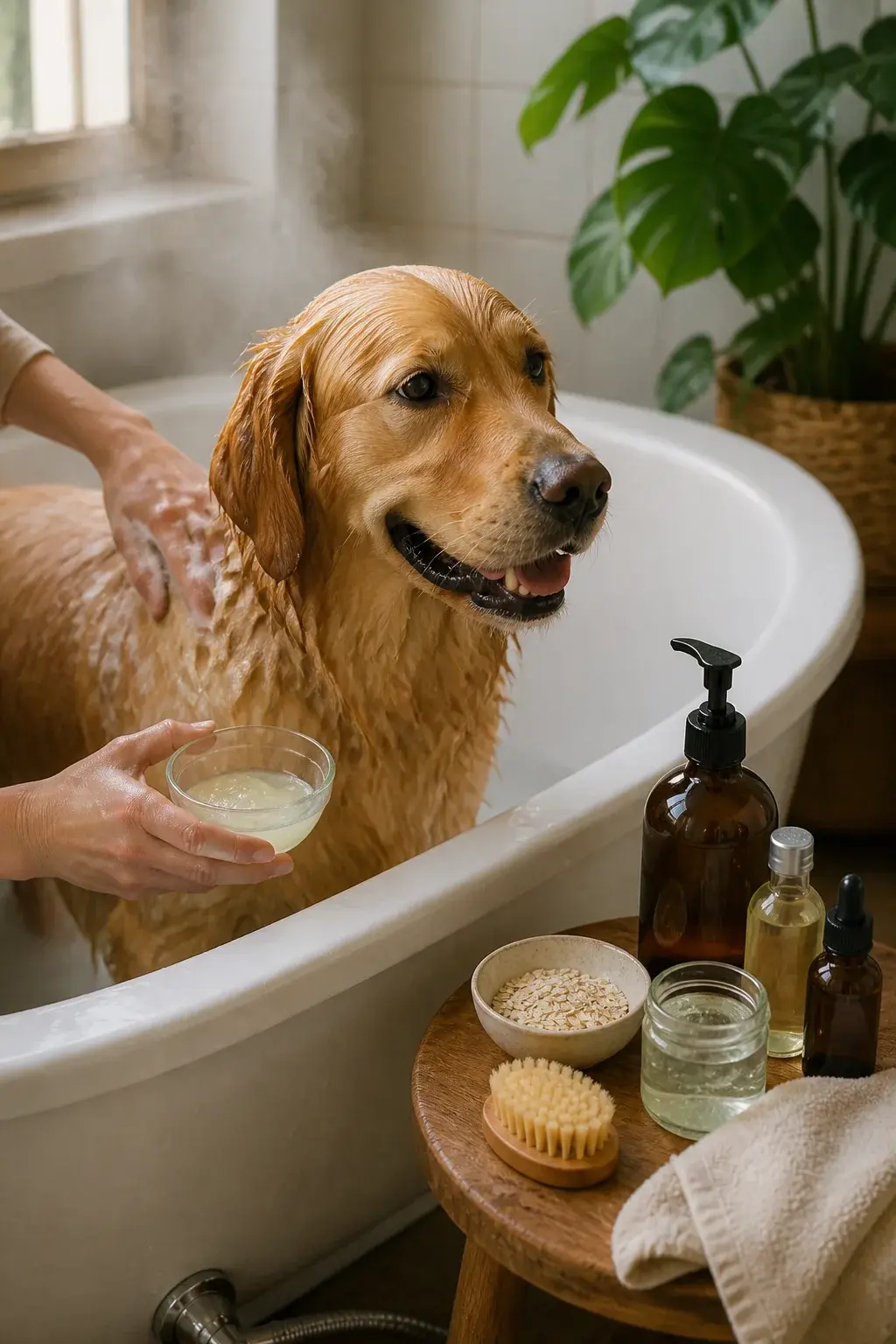
A calm bath beats a wrestling match every time. Set the stage before your pup even sees water.
Prep Like a Pro
- Pre-brush to remove mats and loose hair.
- Non-slip mat in the tub or shower so your dog feels secure.
- Peanut butter lick mat on the wall for distraction. Check ingredients for xylitol-free PB only.
- Eye rinse or clean water cup in case suds wander too close to the face.
- Plenty of towels and a warm room. Shivery bath ruins the vibe.
Perfect Rinse Technique
- Rinse from neck to tail, then belly, then legs and paws last.
- Run your fingers through the coat to feel for slick spots. If it feels slimy, keep rinsing.
- For double coats, use a handheld sprayer and rinse against the grain gently.
Storage, Shelf Life, and Safety
Homemade soaps don’t contain preservatives. That’s good for skin, but it shortens shelf life.
- Make small batches and use within 3-4 weeks.
- Store in a cool, dark spot with a tight cap. Avoid humid bathrooms if possible.
- Refrigerate oatmeal versions and use within 2 weeks.
- Discard if it separates weirdly, smells off, or grows floaties. We don’t do floaties here.
- Patch test on a small area 24 hours before full use, especially for sensitive dogs.
Customizing for Coat Types
Different coats need different tweaks. Don’t worry, you don’t need a chemistry degree.
- Short coats: Stick to the base recipe. Use minimal oil or none.
- Long/silky coats: Add 1 teaspoon glycerin per cup of shampoo for slip. Comb while conditioning and rinse well.
- Double coats: Use a foaming pump bottle for easy distribution. Rinse extra thoroughly.
- Curly/wool coats: A touch of fractionated coconut oil helps reduce frizz. Keep it light to avoid buildup.
- Sensitive or allergy-prone pups: Skip ACV and oils. Use the simplest version with oatmeal if tolerated.
Bath Frequency: Don’t Overdo It
You want a clean dog, not a dehydrated cactus. Most dogs do best with baths every 4-8 weeks. Mud monsters and beach bums might need more, but use a gentle soap and rinse thoroughly. Between baths, use plain water rinses or wipe-downs with a damp cloth.
FYI, if your dog smells funky a few days after every bath, check diet, ears, and skin health. Sometimes the stink comes from yeast or allergies, not dirt.
Troubleshooting Common Issues
Dog Still Itchy After Bath?
- Rinse longer. Residual soap causes itch.
- Try the oatmeal version and drop any ACV.
- Limit baths and brush more to distribute natural oils.
- If redness or hot spots persist, talk to your vet. Soap can’t cure allergies or infections.
Coat Feels Greasy?
- Use less oil or skip it entirely.
- Increase water-to-soap dilution slightly.
- Rinse with plenty of lukewarm water.
No Suds, No Clean?
- Suds don’t equal clean. Focus on massage and contact time.
- Hard water reduces bubbles. Use distilled water in your mix.
- Pre-rinse dirt thoroughly before shampooing.
FAQ
Can I add essential oils to make it smell nice?
Nope. Many essential oils are risky for dogs, even in small amounts, and dogs hate strong scents. If you want a light freshness, use a tiny dash of ACV in the formula, then rinse well. Your dog’s nose will thank you.
Is Castile soap safe for all dogs?
Generally yes when diluted, but always patch test first. Some very sensitive dogs do better with even milder surfactants. If your pup reacts, stop and talk to your vet about options for medicated or prescription shampoos.
How do I wash my dog’s face safely?
Use a damp washcloth with plain water. Wipe around the eyes and muzzle gently. Avoid soap near eyes, nostrils, and inside ears. You can use a tiny bit of your diluted soap on the beard or jowls, then rinse with the cloth.
What if my dog licks the soap?
A small lick of diluted Castile-based soap usually causes mild drooling or a funny face, nothing more. Offer fresh water and distract with a toy. If your dog swallows a lot and vomits or shows distress, call your vet.
Can I use this on puppies?
Yes, with extra dilution and no ACV or oils. Keep baths short, water lukewarm, and dry them fast. Puppies chill easily, so set up a warm spot and gentle towel dry.
Will this help with shedding?
It won’t stop shedding, but a gentle soap plus regular brushing reduces loose hair and keeps the coat healthy. Add a good diet and omega-3s for bigger impact. Soap alone can’t fight genetics.
Wrap-Up: Clean Pup, Happy House
DIY dog bath soap doesn’t need to be complicated. With a gentle Castile base, a little glycerin, and optional oatmeal or aloe, you get a safe, effective wash that leaves your dog soft and comfy. Keep it simple, rinse like a pro, and save the fancy fragrances for your own shampoo. Your dog’s nose and skin will appreciate the low-drama, high-snuggle results. IMO, that’s the kind of glow-up every good pup deserves.
About the Author

David
Blogger/YouTuber
A guitar nerd, the myth, the legend.