
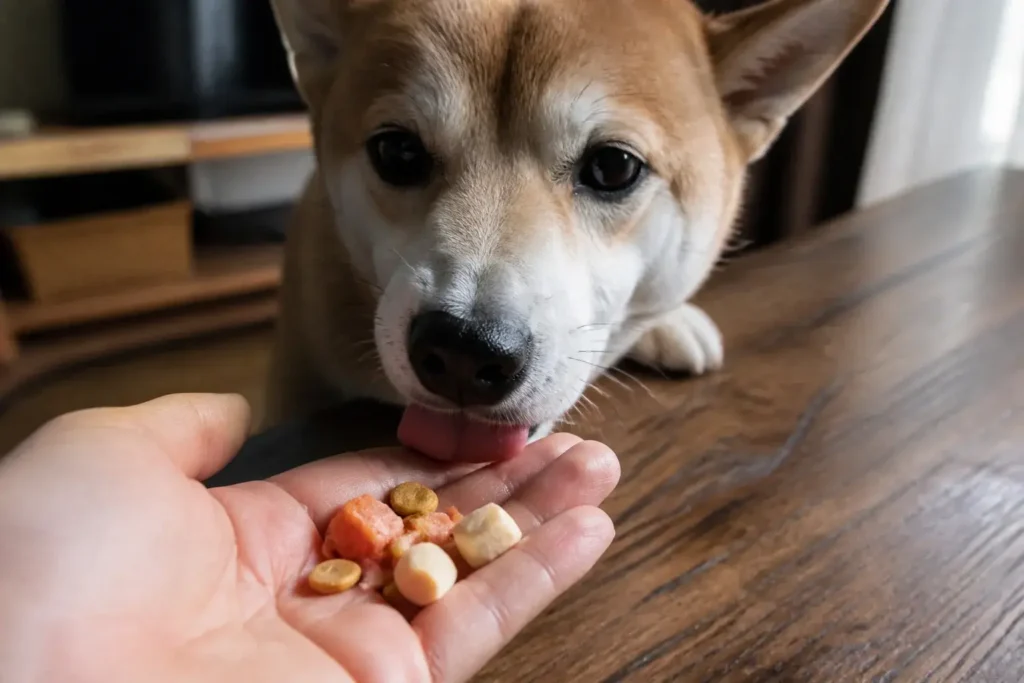
Your dog turns up their nose at biscuits like they’re auditioning for a soap opera? Same. Let’s fix that.
We’ll break down why dogs get picky, what flavors actually win, and which treats work when nothing else does.
By the end, you’ll have go-to treats, easy recipes, and pro tricks. No guilt, no stress, just treats your dog actually eats.
Why Some Dogs Get Picky (And How To Outsmart Them)
Some dogs just have opinions. Others deal with sensitive tummies or anxiety. Either way, you can still win them over.
Top reasons for picky eating:
- Texture matters. Crunchy might feel weird for tiny mouths. Chewy might be too much work for seniors.
- Flavor fatigue. Same treat every day? Snooze city.
- Sensitive digestion. Rich or fatty treats can cause tummy drama.
- Medical stuff. Dental pain, nausea, or allergies can tank appetite. If pickiness is new or extreme, call your vet.
Quick Wins Before You Buy Anything
- Break treats into pea-sized pieces. Less pressure, faster rewards.
- Try training timing: reward right after a behavior, not random snacking.
- Offer treats in different environments. Outside during a walk beats the boring living room.
Flavors Picky Dogs Actually Love
You don’t need unicorn dust. You need dog-approved flavor profiles.
- Single-ingredient meats: Freeze-dried chicken, beef liver, salmon, or turkey hearts. Big scent, clean ingredient list.
- Stinky winners: Fish-based treats, sardine sprinkles, or tripe training bits. Yes, they smell. Yes, dogs care.
- Light and sweet: Dehydrated sweet potato, apple (no seeds), or banana. Great for sensitive tummies.
- Fermented-ish vibes: Low-fat plain yogurt drops or kefir ice cubes for dairy-tolerant pups.
Allergy-Friendly Ideas
If chicken or beef gets side-eye or itchy skin starts, try novel proteins like duck, rabbit, or whitefish. Grain-sensitive? Choose grain-free options with simple binders like chickpea flour or potato.
Store-Bought Treats That Usually Work
You don’t have to reinvent the wheel. Focus on short ingredient lists and smelly, high-value options.
Look for:
- Freeze-dried single proteins: Chicken, turkey, salmon, beef liver. Awesome for training.
- Soft training bites: Tiny, smelly, and easy to chew for small mouths or seniors.
- Dehydrated strips: Sweet potato or fish skins. Crunchy but still fragrant.
- Low-fat jerky (no onions, no garlic): Simple recipes with meat, a bit of vegetable glycerin, and nothing weird.
Label Red Flags
- Avoid strong spices or alliums: No onion powder, no garlic powder.
- Skip heavy sugars or artificial sweeteners: Xylitol is toxic for dogs. Hard no.
- Question mystery meats: “Meat by-product” without source info? Pass.
Homemade Treats Picky Dogs Actually Eat
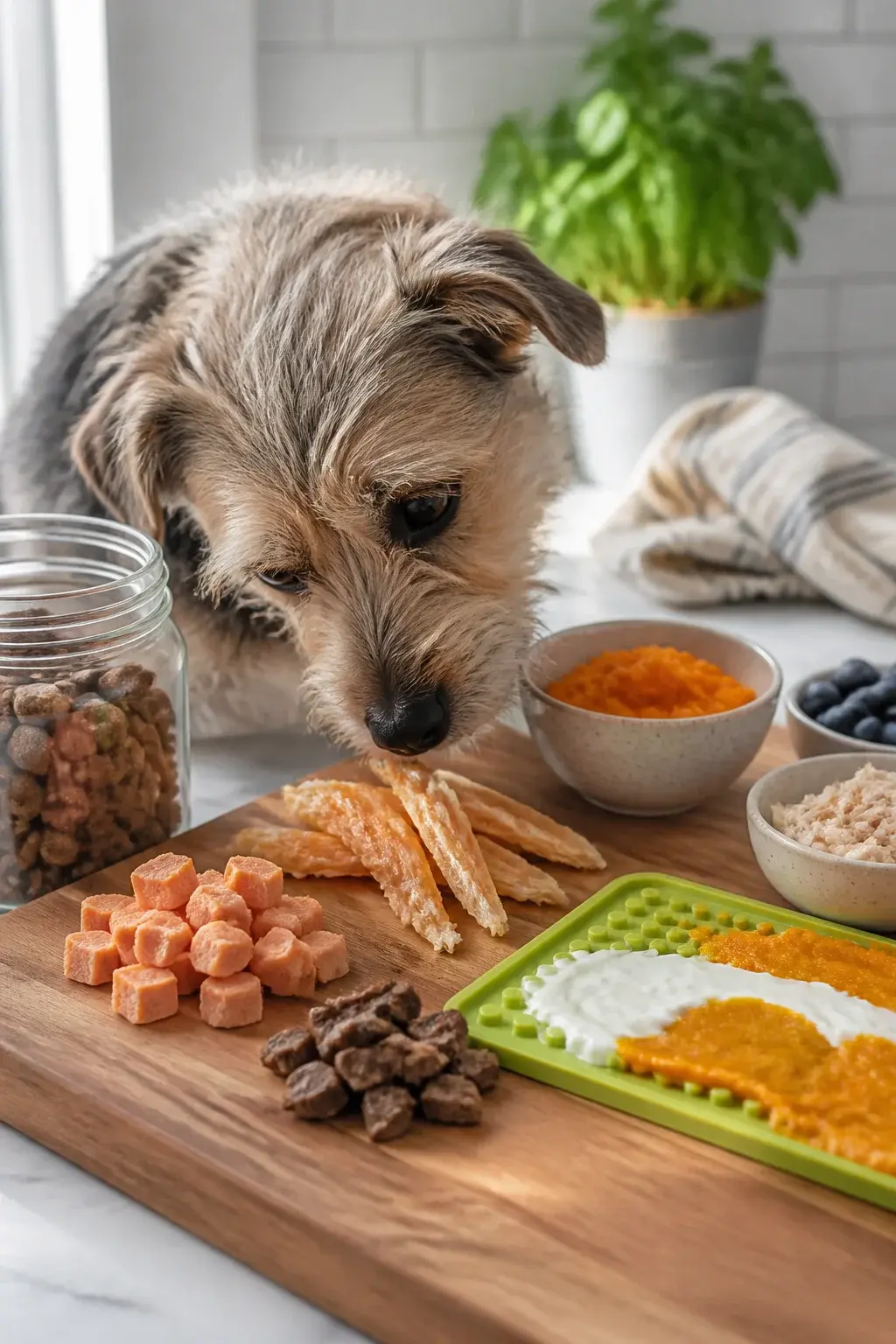
You don’t need a culinary degree. Just keep it simple, fragrant, and safe for dogs.
1) 2-Ingredient Chicken Nugget Bites
Ingredients:
- 1 cup cooked, shredded chicken breast (no seasoning)
- 1 egg
Instructions:
- Preheat oven to 350°F (175°C). Line a tray with parchment.
- Mix chicken and egg. Form tiny patties or press into a thin sheet.
- Bake 12 to 15 minutes until set. Cool, then cut into pea-sized pieces.
Why it works: Meaty, moist, and aromatic. Great for training. Refrigerate up to 3 days or freeze.
2) Salmon Crunch Chips
Ingredients:
- 1 can salmon in water, drained and mashed (no salt added, bones are fine)
- 1/2 cup oat flour
- 1 egg
Instructions:
- Mix into a thick batter. Spread thin on a lined baking sheet.
- Bake at 325°F (165°C) for 25 to 30 minutes until crisp.
- Cool and snap into chips.
Why it works: Smelly in the best way. Omega-3s for skin and coat. FYI: store in the fridge.
3) Sweet Potato Chews
Ingredients:
- 1 large sweet potato
Instructions:
- Slice lengthwise 1/4-inch thick.
- Bake at 250°F (120°C) for 2 to 3 hours, flipping halfway, until leathery-chewy.
- Cool completely.
Why it works: Gentle on stomachs. Natural sweetness without junk.
4) Banana-Peanut Butter Buttons
Ingredients:
- 1 ripe banana
- 2 tbsp unsalted, xylitol-free peanut butter
- 1/2 cup oat flour
Instructions:
- Mash banana, mix with peanut butter and oat flour.
- Roll into tiny balls and flatten.
- Bake at 325°F (165°C) for 12 to 15 minutes. Cool.
Why it works: Smells like dessert, still dog-safe. Check that peanut butter label, always.
Texture Tricks: Crunchy, Chewy, or Melt-in-Mouth?
Dogs have texture preferences just like we do. Use texture to your advantage.
- Crunchy: Great for dogs who like to chew, but may turn off tiny pups or seniors.
- Soft/chewy: Most universally loved, especially for training and older dogs.
- Freeze-dried: Light and airy, melts fast. Amazing for picky, timid eaters.
Pro Tip: The “Mix-and-Match” Method
Break a super high-value treat into dust and toss with lower-value treats in a jar. After a day, everything smells amazing. Cheap hack, big payoff.
How To Introduce New Treats Without Drama
You can have the best treat in the world and still get a nope if you introduce it wrong.
- Start tiny. Offer a crumb during a fun moment, not during a stressful one.
- Use play and praise. Toss a treat after a quick sit or spin. Make it a party.
- Pair with meals. Crumble a new treat over regular food to build familiarity.
- Rotate weekly. Keep two or three flavors in a loop to beat boredom.
The “Jackpot” Technique
When your picky dog finally eats a new treat, give three to five tiny pieces back-to-back with happy praise. You reinforce the choice and build momentum.
Special Cases: Sensitive Stomachs, Seniors, and Small Dogs
One size never fits all. Adjust for your dog’s needs.
- Sensitive stomachs: Stick to single-ingredient proteins or gentle carbs like sweet potato. Introduce one new treat at a time and watch for gas, itching, or soft stool.
- Seniors: Choose soft or freeze-dried treats that dissolve easily. Check dental health if chewing seems uncomfortable.
- Small dogs: Go micro. Cut treats into grain-of-rice size for training. Big chunks can overwhelm them.
Hydration Helpers
If your dog ignores dry treats, try dipping a piece in warm low-sodium bone broth for 2 to 3 seconds. It boosts aroma and softness without creating a soggy mess.
FAQ
How many treats can I give a picky eater without ruining meals?
Keep treats to no more than 10 percent of daily calories. For training heavy days, shrink meal portions slightly. Use tiny pieces so you can reward often without overfeeding.
My dog refuses everything. What now?
Try the highest-value proteins like freeze-dried liver or salmon and offer them during movement, like a short walk. If your dog consistently refuses food or treats for more than 24 hours, or shows nausea, pain, or lethargy, contact your vet.
Are human foods safe as treats?
Some are great: plain cooked meats, sweet potato, apple slices without seeds, banana, blueberries, plain yogurt if dairy-tolerant. Avoid toxic foods like chocolate, grapes, raisins, xylitol, onion, garlic, alcohol, and excessive salt or fat.
What’s the best treat for training a stubborn dog?
Use soft, smelly, and tiny treats. Freeze-dried meat crumbled into rice-sized bits works wonders. Keep the rate of reinforcement high and the flavor exciting. IMO, salmon or liver usually wins.
Do I need grain-free treats?
Not automatically. Many dogs do fine with grains like oats or rice. Choose grain-free only if your dog reacts to certain grains or your vet recommends it. Focus on digestibility and simplicity first.
Can I use cheese as a high-value treat?
Sometimes, in very small amounts. Pick low-lactose options like mozzarella and watch for tummy upset. If your dog shows any sensitivity, skip it and go for fish or freeze-dried meat instead. FYI, no seasoned or spicy cheeses.
Conclusion
Picky dogs aren’t trying to ruin your day. They just want bold aromas, comfy textures, and a little novelty. Stock a couple of single-ingredient, smelly treats, rotate flavors, and use tiny pieces to keep training fun. With a few smart swaps and a pinch of patience, you’ll turn treat time from drama to drool. IMO, once you find that one magical flavor, the rest gets easy.
About the Author

David
Blogger/YouTuber
A guitar nerd, the myth, the legend.