You want a happy, well-behaved dog without yelling, yanking, or guilt trips. Good news: positive reinforcement gets you there faster.
You reward what you like, your dog repeats it, and everyone wins. Simple formula, huge payoff.
Let’s turn “Oops, my dog ate the remote” into “Wow, my dog brings me the remote.”
Why Positive Reinforcement Works Like Magic
Positive reinforcement teaches dogs that their choices earn rewards. That turns training into a fun game instead of a power struggle. Dogs learn faster when they feel safe, confident, and curious.
What you reinforce, you get more of. Sit gets treats? You’ll see more sits. Calm on a leash gets praise and snacks? Calm shows up more often. It’s science with snacks.
The Reinforcement Recipe
- Behavior happens (your dog sits).
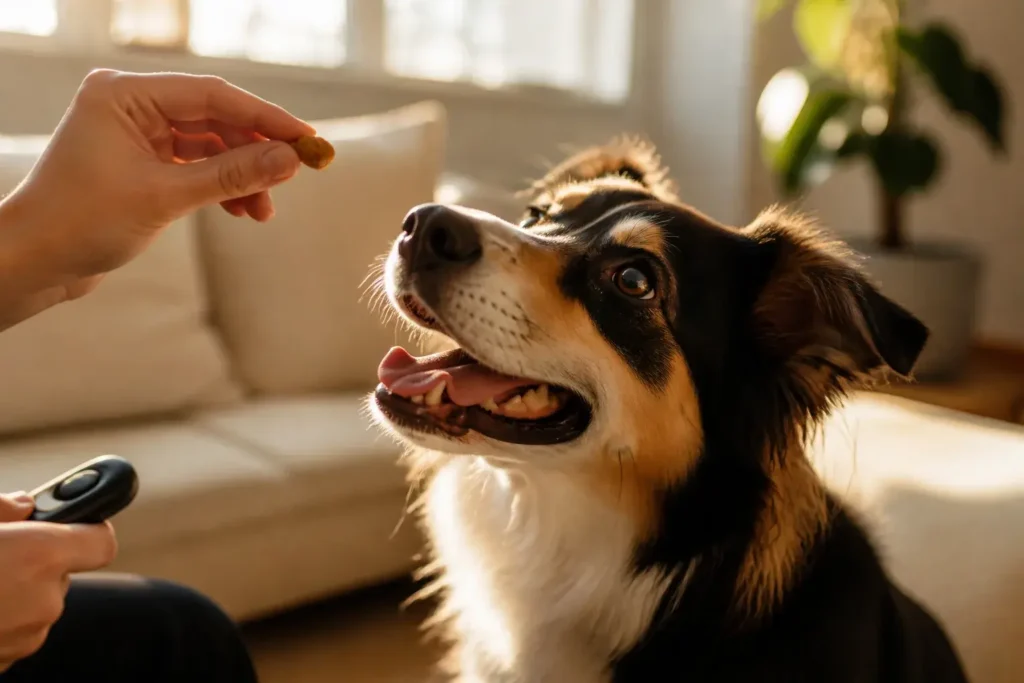
- You mark it (say “Yes!” or click).
- You pay (treat, toy, praise, life reward).
Timing matters a lot. Mark the behavior the instant it happens so your dog knows exactly what earned the reward.
Rewards Your Dog Actually Cares About
Want faster results? Use a reward your dog loves, not one you think they should love. FYI, many dogs value food higher than anything else during training.
Top Reward Categories
- Food: pea-sized soft treats, cheese bits, turkey, or commercial training treats. Keep it safe and dog-friendly. No grapes, onions, or xylitol.
- Toys: tug, fetch, squeakers for high-energy pups.
- Life Rewards: going outside, greeting a friend, hopping into the car, sniffing that Very Important Bush.
- Affection and Praise: scratches, “Good dog!” in your happiest voice. Some dogs love this, some shrug. Your dog decides.
Pro tip: Build a reward menu. Rotate options so your dog never gets bored and you can match reward value to task difficulty.
The Marker: Your Dog’s Behavior GPS
A marker bridges the split-second between behavior and reward. You can use a clicker or a crisp word like “Yes!” The sound means “You nailed it” and predicts a treat.
How to Charge a Marker
- Say “Yes!” or click, then feed a treat. Repeat 10 to 15 times.
- Do this a few times a day for 2 to 3 days.
- Test it: say “Yes!” when your dog isn’t doing much. If they whip their head toward you, you’re ready.
This tiny step makes everything else cleaner and clearer.
Shaping, Capturing, and Luring: Choose Your Flavor
You can teach almost anything with three core techniques. Mix and match based on your dog and the skill.
1) Luring for Quick Wins
Guide your dog into position using a treat near their nose. For sit, lift the treat slightly up and back until their rear hits the floor. Mark and treat.
- Great for: sit, down, spin, bed/place.
- Tip: Fade the lure early. Add the cue word, then switch to a hand motion without the treat in your hand.
2) Capturing Real-Life Gold
Wait for the behavior to happen naturally, then mark and reward. Dog flops onto their bed? Mark and pay. Calmly watches a squirrel instead of lunging? Mark and jackpot.
- Great for: calm on the mat, quiet, eye contact, loose-leash moments.
- Tip: Keep treats handy so you can catch brilliance in the wild.
3) Shaping for Fancy Tricks
Reinforce tiny steps toward the final behavior. For a bow, mark when your dog stretches, then for a deeper stretch, then for holding it. You build the skill like stacking Lego bricks.
- Great for: complex tricks, confidence building, problem-solving.
- Tip: Increase criteria slowly. If your dog stalls, you raised the bar too fast.
Reinforcement Schedules: From Every Time to Sometimes
In the beginning, pay every correct response. That cements understanding. Later, switch to a variable schedule so behaviors stick even when you don’t have treats glued to your hand.
Phases That Keep You Sane
- Acquisition: reward every correct response. Keep sessions short, like 3 to 5 minutes.
- Building Reliability: reward most responses, sometimes bonus big for extra-good reps.
- Maintenance: reward unpredictably. Add life rewards like “sit to get the leash clipped.”
IMO, this is where the real magic happens. Your dog keeps trying because “maybe this next sit pays big.”
Real-World Manners: Turn Skills Into Habits
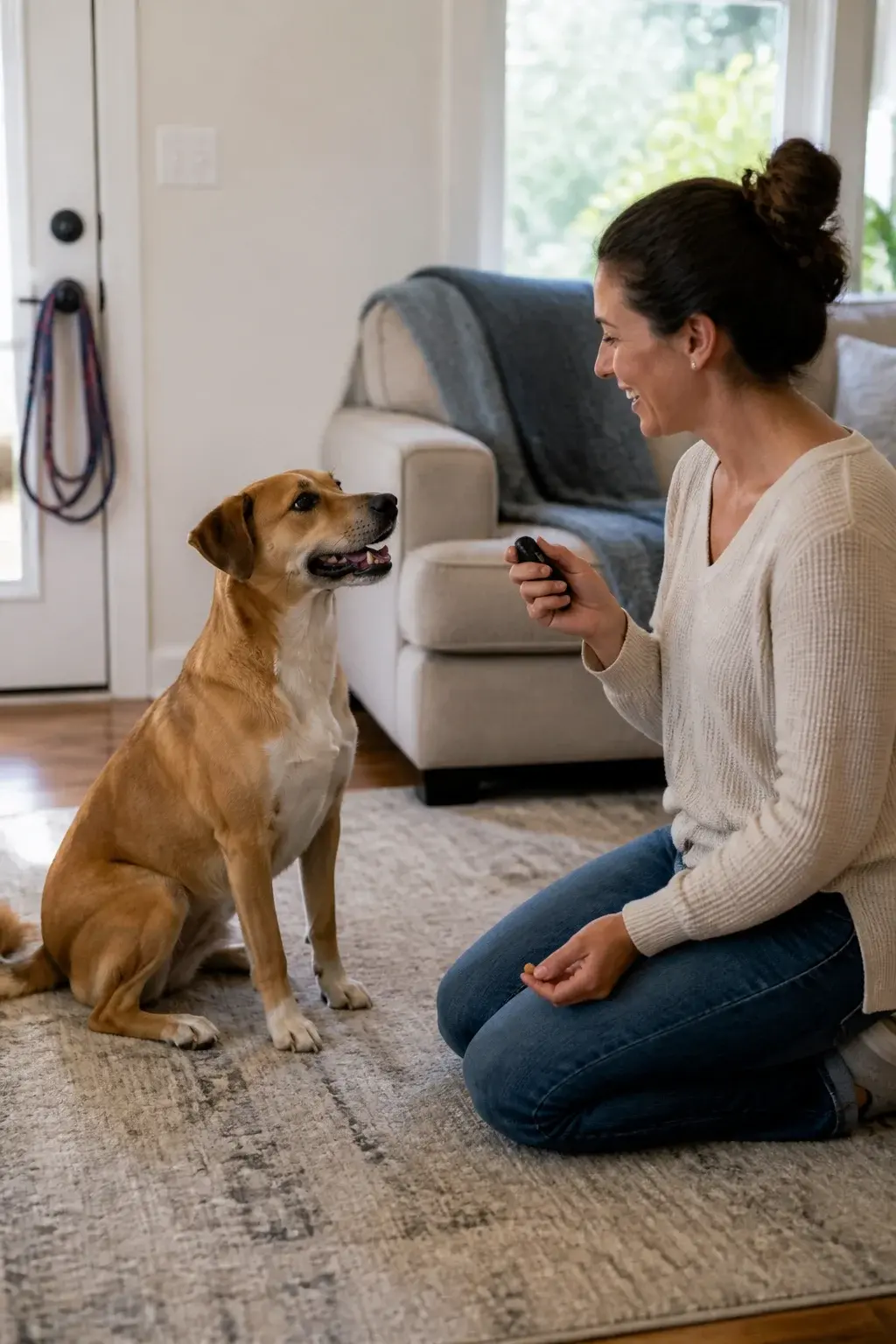
A well-trained dog at home that unravels in public just needs better generalization. Dogs don’t automatically apply a cue in new places. We help them connect the dots.
Level-Up Plan
- Change one thing at a time: new room, then backyard, then front yard, then quiet street.
- Dial down criteria in new spots: ask for an easy version first, then rebuild speed and distance.
- Short sessions, big wins: quit while your dog wants more.
Loose-Leash Walking the Positive Way
- Start indoors. Reward your dog for staying by your side and checking in with you.
- Walk two steps, mark, treat by your leg. Repeat. Build to five steps, then ten.
- Outside, feed the environment: let your dog sniff as a reward for slack leash.
- If the leash goes tight, stop. When your dog returns or the leash slackens, mark and move forward again.
No jerks, no pain, no drama. Just clarity and consistency.
Common Mistakes That Slow Training
We all make them. Fix these and you’ll speed up progress instantly.
- Late timing: if you mark after the behavior changes, your dog learns the wrong thing. Mark at the exact moment you like.
- Mushy criteria: decide what success looks like before you start. Reward only that, then raise the bar slowly.
- Repeating cues: saying “Sit sit sit” trains your dog to tune you out. Say it once, then help with a lure or reset.
- Using the cue too early: name the behavior when your dog offers it reliably. Otherwise you label confusion.
- Underpaying hard work: new skills and distracting places deserve higher-value treats.
Turning Problems Into Positives
You can flip many annoying habits by reinforcing the opposite behavior. Think replacement, not punishment.
Jumping on Guests
- Teach an alternate behavior like sit or go to mat.
- Reward sits like they minted gold. Have guests toss treats only when four paws stay on the floor.
- If jumping happens, step back and remove attention. Try again when your dog resets.
Barking at the Window
- Close blinds or use window film to reduce triggers while you train.
- Teach “Find your mat.” Mark and reward calm there.
- When a trigger appears, feed a steady stream of treats for quiet on the mat. Over time, the trigger predicts chill time, not chaos.
Counter-Surfing
- Manage first: keep counters empty. Boring counters don’t pay.
- Reinforce an incompatible behavior like a down-stay on a kitchen mat while you cook.
- Use life rewards: a crumb of safe dog-friendly food in a bowl on the floor only when they stay on the mat. Never from the counter.
Making Treats Work For You, Not Against You
Treats don’t make dogs “bribed robots.” They function like a paycheck. As behavior becomes a habit, you can fade food for some reps and swap in life rewards.
Smart Fading Strategy
- Keep a variable schedule once your dog knows the behavior well.
- Use a cheerful release word like “All done!” so your dog knows when the game ends.
- When distractions spike, bring back higher-value rewards. That’s not backsliding, it’s good training.
Sample 7-Minute Session Plan
Want a quick blueprint? Here’s a mini routine that hits basics and focus.
- 1 minute: engagement warm-up. Mark any eye contact or name response.
- 2 minutes: sits and downs with a lure, then add the cue. Pay every rep.
- 2 minutes: loose-leash reps indoors. Two to five steps, mark, treat by your leg.
- 1 minute: settle on a mat. Reward any relaxation: hip roll, chin down, sigh.
- 1 minute: fun trick like spin or paw. End on a win and release.
Short, sweet, and your dog will ask for an encore.
Advanced Tips For Faster Progress
Use Jackpots Wisely
When your dog tries extra hard, surprise them with a handful of treats or a longer play burst. This says, “That. Do more of that.”
Split, Don’t Lump
If your dog struggles, split the task into smaller steps. For “stay,” first reward one second, then two, then three. Distance and distractions come later.
Train the Environment
Before guests arrive, rehearse your greeting routine. Before park walks, do a minute of focus in the driveway. You design the world so your dog can win.
FAQ
Will I need treats forever?
Not every time. You start with frequent rewards, then switch to variable rewards and life rewards like sniff time. Still pay big for tough environments or new skills. Think “sometimes snacks, always feedback.”
What if my dog ignores treats outside?
Use higher-value food like soft, smelly options and start in a quieter spot. Lower criteria, increase rate of reinforcement, and build up gradually. Also, feed a little less at mealtime so training treats matter more, with your vet’s approval.
Can I use toys instead of food?
Absolutely. Many sporty dogs work harder for tug or fetch. Keep toy rewards brief and controlled so your session flows. If your dog gets overstimulated, switch back to food temporarily.
How do I stop unwanted behaviors without punishment?
Manage the environment to prevent practice, then teach and reinforce a better alternative. Remove the payoff for the bad habit while you constantly pay the good one. Consistency beats scolding every time.
When should I add the cue word?
When your dog offers the behavior reliably. Say the cue once, then help if needed. Mark and reward the successful rep. If it falls apart, you named it too soon.
What if progress stalls?
Check your timing, criteria, and reward value. Split steps smaller, shorten sessions, and reduce distractions. A quick refresher with easy wins usually jump-starts momentum.
Conclusion
Positive reinforcement builds trust, confidence, and real-life manners without power struggles. You mark the good stuff, pay it well, and watch your dog offer it more often. Start small, keep sessions short, and celebrate the heck out of effort. IMO, it’s the most fun you can have with a treat pouch and a wagging tail.
About the Author

David
Blogger/YouTuber
A guitar nerd, the myth, the legend.