Great Danes steal hearts with those goofy grins and sofa-sized cuddles. But raising one? It’s like parenting a lovable baby giraffe.
Skip a few basics and you can end up with a bored, anxious, or even sick giant on your hands.
Let’s talk about the most common Great Dane owner mistakes and how to dodge them like a pro.
Underestimating The “Gentle Giant” Reality
Yes, Danes act like chill couch potatoes. But they still need structure, training, and mental exercise. If you treat your Dane like a giant teddy bear, you’ll end up with a 140-pound toddler who ignores you.
Set rules from day one. Decide where they can sleep, who gets couch access, and how greetings work. Enforce it consistently. Cute puppy habits become not-so-cute adult chaos.
Big Dog, Bigger Manners
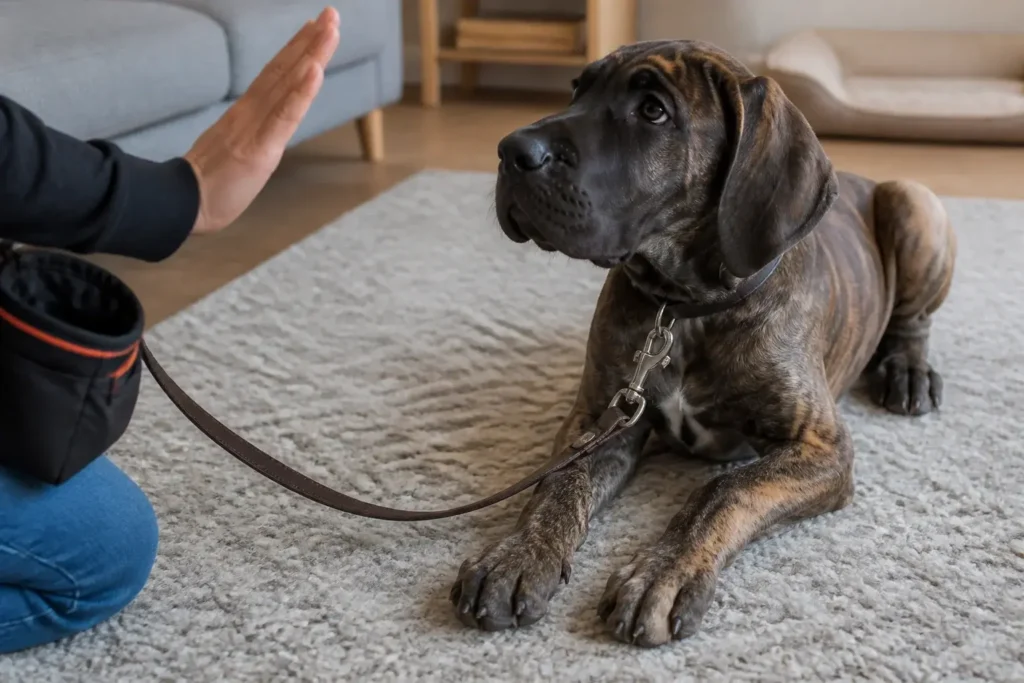
Teach basics early: sit, stay, down, leave it, come, and place. Focus on impulse control and calm greetings. IMO, “place” is the MVP for overexcited Danes.
- Reward calm behavior before visitors enter.
- Practice leash walking inside and in the yard first.
- Use high-value treats sparingly to avoid tummy trouble.
Skipping Socialization Because “They’re So Friendly”
Danes often adore people, but they still need careful exposure to the world. Without it, you can get fear, reactivity, or clingy behavior.
Socialize smart, not reckless. Use short sessions with neutral dogs and calm people. Hit different environments: parks, hardware stores, quiet cafes, car rides. Pair everything with treats and praise.
Watch For Overwhelm
Lip licking, yawning, stiff posture, or tail tucked? That’s stress. End on a positive note. You don’t need a crowded dog park to raise a confident Dane. FYI, dog parks can be risky for large breeds who play rough or get misunderstood.
Feeding Like A Normal Dog (Please Don’t)
Great Danes grow fast. Their bones and joints need the right fuel. Overfeeding or giving rich, inappropriate food can cause orthopedic problems and stomach issues.
Choose a large-breed puppy formula if under 18 months, or a large-breed adult formula for grown dogs. Keep calcium and phosphorus balanced. Avoid high-calorie, “growth-boosting” foods. Slow, steady growth wins.
Meal Timing And Bloat Prevention
Bloat (gastric dilatation-volvulus) is a legit emergency for Danes.
- Feed 2 to 3 smaller meals daily instead of one big one.
- Use a slow-feeder bowl to reduce gulping.
- Limit heavy exercise 60 minutes before and after meals.
- Keep water available, but discourage huge gulps right before or after eating.
- Ask your vet about prophylactic gastropexy during spay/neuter.
Avoid risky extras: greasy table scraps, bones that splinter, and high-fat treats. Keep training treats small and count them toward daily calories.
Ignoring Joint Health Until It’s Too Late
Danes carry a lot of weight on long legs. Jumping off furniture, slippery floors, and zoomies on concrete can spell trouble.
Set your home up to protect joints:
- Use rugs or runners for traction on slick floors.
- Provide a supportive, orthopedic bed.
- Discourage jumping in and out of cars. Use a ramp.
- Keep nails trimmed to improve grip and posture.
Exercise That Helps, Not Hurts
Puppies don’t need marathon walks. Think short, frequent outings on soft ground and controlled play. For adults, aim for 45 to 90 minutes total daily, split into sessions. Include sniff walks and gentle strength work like hill walking. Swimming is gold if they enjoy it.
Letting The Leash Become A Tug-Of-War
A pulling Dane can dislocate your shoulder. Don’t wait until they outweigh you to start.
Train loose-leash walking early:
- Rewards for staying near your hip.
- Change direction often to keep them engaged.
- Use a front-clip harness for control without harsh corrections.
Skip choke chains and prong collars unless you work with a qualified, reward-based trainer who understands giant breeds. You need trust more than tools.
Teach The “Look” And “Leave It”
Eye contact breaks fixation on squirrels or strangers. Practice at home first. “Leave it” saves you from street snacks, which, IMO, is basically a superpower.
Forgetting Mental Enrichment (The Secret Sauce)
A bored Dane invents hobbies like counter surfing and sock collecting. Keep that big brain busy.
Easy enrichment wins:
- Snuffle mats and stuffed food puzzles with dog-safe fillings.
- Short training games: find it, hide-and-seek, name your toys.
- Rotating chew options: durable rubber toys, vet-approved dental chews.
Homemade, Dog-Safe Stuffing Ideas
Mix and freeze:
- Plain unsweetened yogurt + mashed banana
- Pumpkin puree + shredded cooked chicken (no seasoning)
- Low-sodium bone broth + kibble
Avoid xylitol, onions, garlic, grapes, raisins, and rich dairy. Keep portions moderate to protect that sensitive tummy.
Neglecting Healthcare Specifics For Giants
Danes have unique health needs. Skipping vet checks or delaying care can cost you big.
Build a proactive plan with your vet:
- Regular wellness exams every 6 months once adult.
- Heart screening if recommended, since some Danes risk cardiomyopathy.
- Thyroid checks if you see lethargy, weight changes, or coat issues.
- Hip and elbow monitoring, especially if you notice stiffness.
- Parasite prevention sized for their weight. Don’t guess dosages.
Weight: The Silent Joint Killer
You should feel ribs with light pressure, but not see them from a distance. Keep a lean body score. Extra pounds stress joints and shorten lifespans. Tough love with treats equals more healthy years together. FYI, a food scale beats eyeballing scoops.
Underestimating The Space And Lifestyle Shift
Danes fit in apartments, but your routine must adapt. They need potty breaks, pacing room, and a chill environment.
Plan for real-life logistics:
- Dog-proof counters and trash. That nose reaches everything.
- Pick a bed spot away from drafts and traffic lanes.
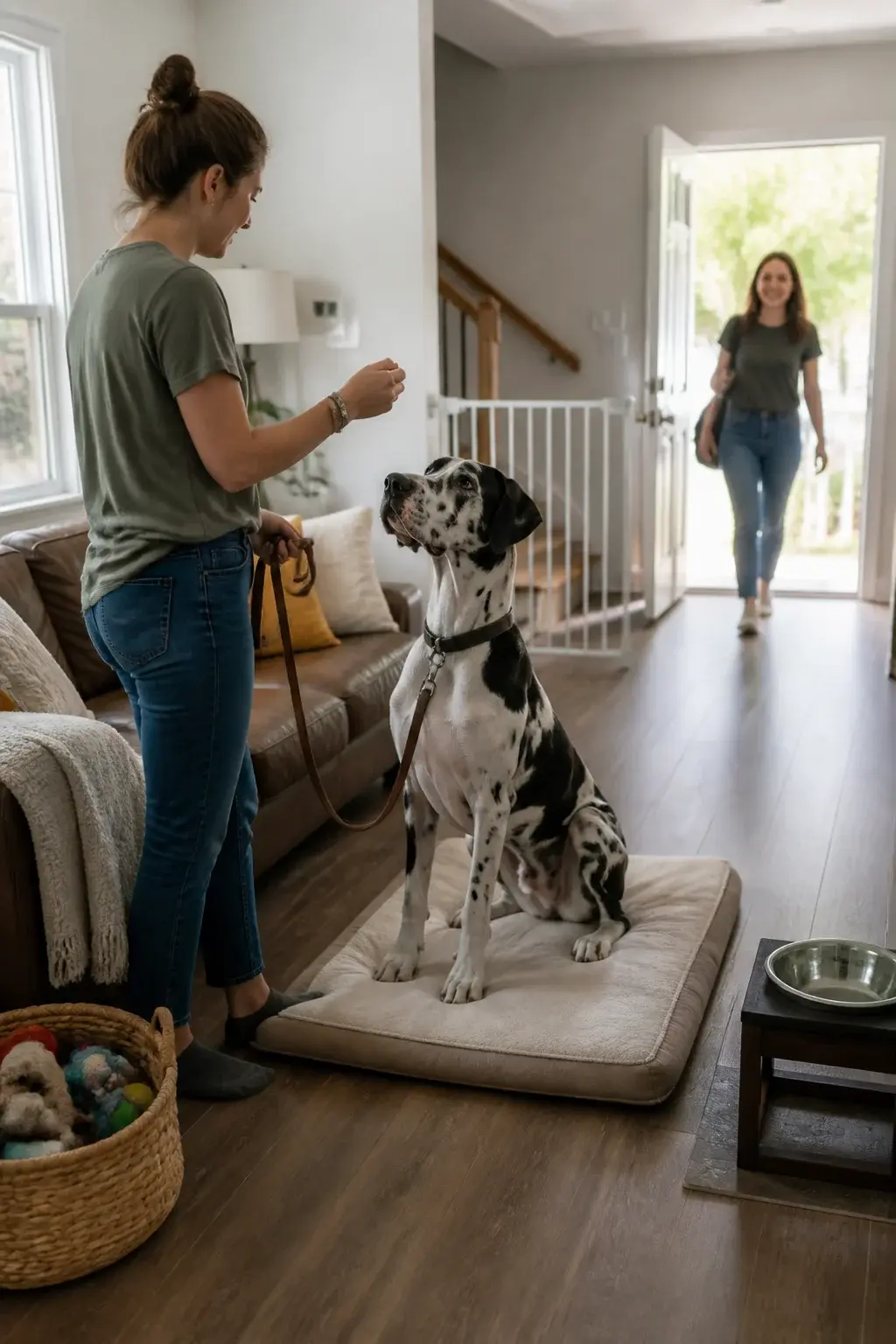
- Teach a calm “place” when deliveries or guests arrive.
- Secure yard fences. A curious Dane can wander far, fast.
Alone Time Without Drama
Prevent separation anxiety with crate or pen training that feels cozy. Leave for short intervals, pair with a long-lasting chew, and keep departures boring. Cameras help you catch issues early.
Grooming And Care: Low Maintenance Doesn’t Mean No Maintenance
Short coat doesn’t equal no shedding. You’ll find hair tumbleweeds, promise.
Weekly care checklist:
- Brush with a rubber curry or deshedding tool once or twice a week.
- Clean ears with vet-approved solution after baths or swimming.
- Brush teeth several times per week. Large-breed dental issues add up fast.
- Trim nails every 2 to 3 weeks. Long nails change gait and stress joints.
Bath Time Without Back Pain
Use a non-slip mat, lukewarm water, and a gentle, dog-safe shampoo. Rinse thoroughly to avoid itchiness. Dry well, especially in skin folds and between toes.
Training With Frustration Instead Of Patience
Danes feel your vibe. If you rush or punish, you’ll get confusion or shutdown. Keep sessions short, upbeat, and consistent.
Golden rules that actually work:
- Reinforce what you like every time it happens.
- Practice in boring places first, then add distractions.
- Use hand signals along with words. Big dogs track visual cues well.
- End sessions before your Dane gets tired or silly.
When To Call A Trainer
If your Dane guards food, growls at guests, or drags you down the street, get a certified, force-free trainer. Early help costs less than fixing learned bad habits later.
FAQs
How much should I feed my Great Dane?
Follow your food’s feeding guide for weight and age, then adjust based on body condition. Most adults do well on 2 to 3 meals daily. Keep them lean, and consult your vet for exact calorie targets, especially during growth spurts.
Do Great Danes need a yard?
Not required, but helpful. Daily walks, training, and enrichment matter more than a big backyard. You can thrive in an apartment if you commit to a routine and provide mental stimulation.
How can I prevent bloat?
Feed smaller, spaced meals, use slow-feeder bowls, limit intense exercise around meals, and avoid super-fatty foods. Consider a prophylactic gastropexy after discussing risks and benefits with your vet. Learn bloat signs now so you can act fast.
What exercise is best for a Great Dane puppy?
Short, frequent walks on soft surfaces, gentle play, and controlled social time. Skip stairs, long runs, and high-impact jumping. Focus on brain games and calm leash skills.
When should I start formal training?
Immediately. Keep early sessions light, fun, and reward-based. Teach basics at home, then join a well-run puppy class to boost confidence and manners.
Are Great Danes good with kids and other pets?
Usually yes, with proper training and supervision. Teach kids to respect space, avoid rough play, and never climb on the dog. Match playmates thoughtfully since a clumsy bump from a Dane can flatten a small friend.
Conclusion
Raising a Great Dane feels like living with an enormous comedian who naps professionally. Avoid the classic mistakes by prioritizing smart socialization, joint-friendly living, bloat-aware feeding, and consistent training. Do that, and your gentle giant becomes the dream roommate: goofy, polite, and totally in love with you. IMO, that’s the best kind of happily ever after.
About the Author

David
Blogger/YouTuber
A guitar nerd, the myth, the legend.