
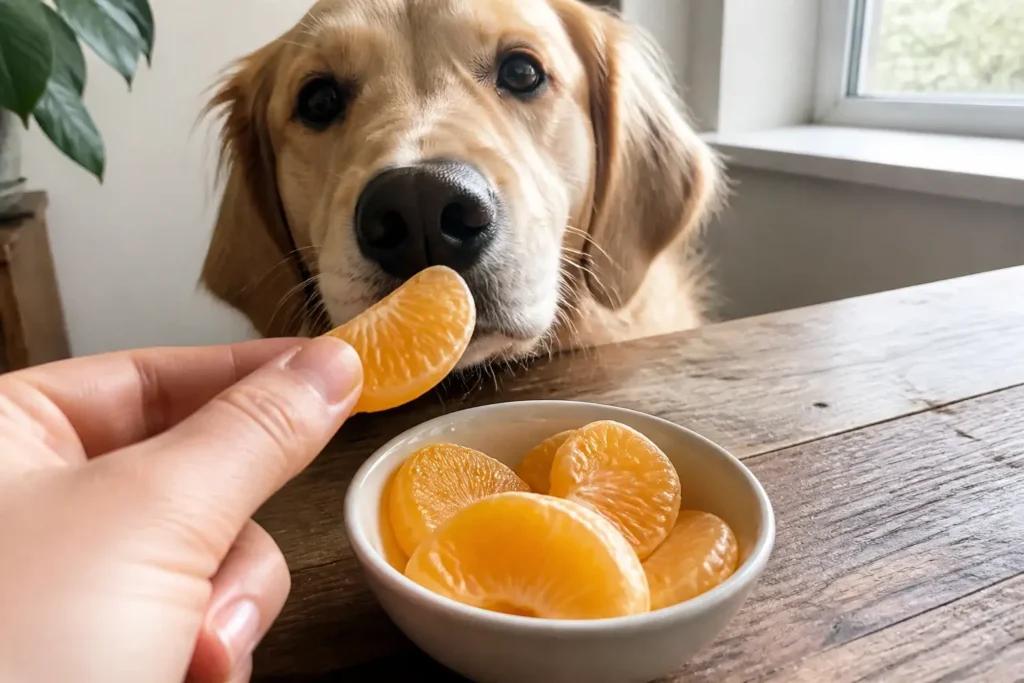
You’ve got a sweet orange in your hand and a pair of puppy eyes locked on it. Share or nah?
Here’s the quick tea: oranges can be safe for many dogs in small amounts. But they’re not a free-for-all snack, and some pups should skip the citrus.
Let’s break it down so you can treat your dog with confidence and zero tummy drama.
The Short Answer: Yes, But Keep It Small
Most healthy dogs can eat oranges in moderation. Oranges pack vitamin C, fiber, and potassium, which sounds great, right? It is, with a catch.
Limit it to tiny portions and remove all seeds and peel. Citrus oils and peels can upset your dog’s stomach. Seeds can pose a choking hazard.
Quick Serving Rules
- Start tiny: 1–2 small pieces for small dogs, 2–4 for medium, up to half an orange for large dogs.
- No peel, no seeds, no pith clumps: Peel contains essential oils that can irritate.
- Fresh only: Skip orange juice and candied or dried oranges. Too much sugar.
- Watch for reactions: Stop if you see gas, loose stool, or itchiness.
Why You Might Offer Oranges At All
Oranges aren’t a superfood miracle for dogs, but they do bring some perks when used as an occasional treat.
- Vitamin C bump: Dogs make vitamin C naturally, but stress or illness can deplete it. A little extra can help.
- Hydration and fiber: Oranges have water and fiber that can support digestion in small amounts.
- Low fat, fun flavor: Great for dogs that love variety or need lower-fat treats.
Nutrient Snapshot (Per Small Wedge)
- Calories: About 4–6
- Sugar: Around 1 gram
- Vitamin C: A tiny but meaningful boost
FYI: The sugar adds up faster than you think, which is why portions matter.
When Oranges Are Not A Good Idea
Some dogs should skip oranges altogether. Safety first, always.
- Diabetic dogs: Natural sugars can spike blood glucose. Ask your vet before trying any fruit.
- Overweight dogs: Extra sugar = extra calories. Choose lean protein treats instead.
- Dogs with sensitive stomachs or pancreatitis history: Citrus acidity and sugar can trigger issues.
- Puppies: Their tummies run dramatic. Start later with tiny amounts if you really want to try.
Red Flags To Watch For
- Gas, bloating, or diarrhea
- Itching around mouth or face, hives, paw licking
- Vomiting or unusual lethargy
If any of these pop up, stop the citrus and call your vet if symptoms persist.
How To Serve Oranges The Right Way
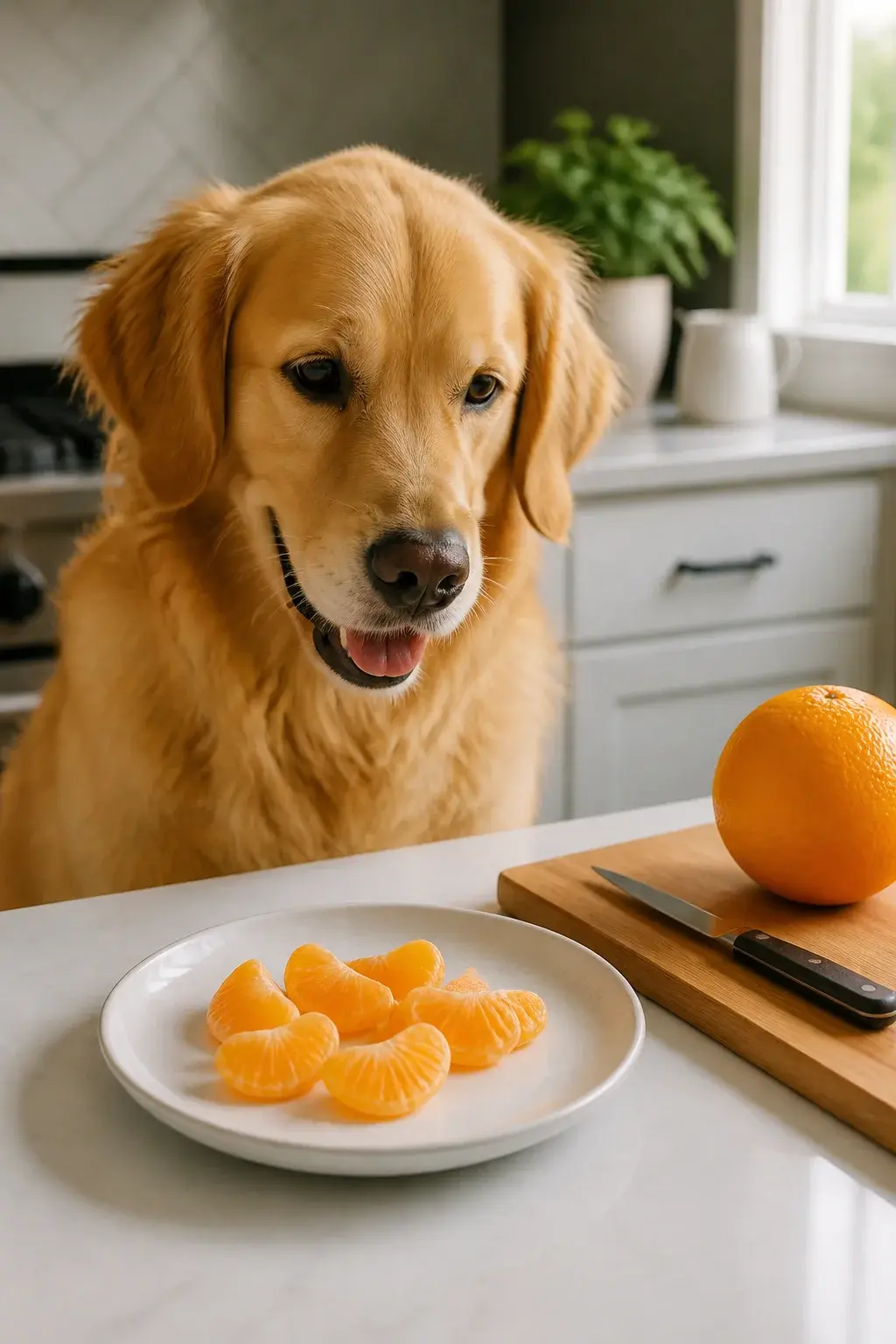
You don’t need a culinary degree to make dog-safe orange treats. You do need to keep it simple.
Basic Prep
- Wash the orange.
- Peel completely and remove all seeds.
- Pull apart segments and cut them into pea-sized bits for small dogs or thumbnail-sized for larger dogs.
Easy Dog-Friendly Orange Treat Ideas
- Orange Ice Pops: Blend a few orange segments with water and a spoon of plain unsweetened yogurt. Freeze in small silicone molds. Serve one mini pop at a time.
- Fruit Confetti: Mix tiny orange bits with sliced blueberries and cucumber. Use as a meal topper once a week.
- Training Nibbles: Use micro-pieces during short training sessions. Mix with lower-sugar treats so you don’t overdo fruit.
Important: Keep total fruit to under 10 percent of daily calories. IMO, 5 percent is even better for most dogs.
Oranges vs. Other Citrus: What’s Safe?
Not all citrus treats your dog kindly. Some are harsher than others.
- Oranges and mandarins: Generally okay in small amounts.
- Clementines and tangerines: Similar to oranges, still remove seeds and peel.
- Grapefruit: Too acidic and bitter, higher risk of stomach upset. Skip it.
- Lemons and limes: Very acidic, not worth the tummy trouble. Hard pass.
And just to be crystal clear: no orange juice. It concentrates sugar without the fiber.
Portion Guide By Dog Size
Because “just a little” means very different things for a Chihuahua and a Great Dane.
- Tiny dogs (under 10 lb): 1 small piece, about the size of your pinky nail.
- Small dogs (10–20 lb): 1–2 small pieces.
- Medium dogs (20–50 lb): 2–4 small pieces.
- Large dogs (50–90 lb): 3–5 small pieces or up to a quarter orange.
- Giant dogs (90+ lb): Up to half an orange, but split it into multiple sessions.
Test new foods on a day when you can monitor bathroom breaks. Trust me, you don’t want surprises at 2 a.m.
What If Your Dog Hates Oranges?
Some pups love citrus. Others act like you offered them a lemon-flavored betrayal. That’s fine.
Try more dog-friendly fruits:
- Blueberries: Antioxidant powerhouses, low sugar.
- Strawberries: Sweet but still light. Remove the leafy tops.
- Apples: Crisp and satisfying. Remove seeds and core.
- Watermelon: Hydrating and fun. No seeds, no rind.
Your dog won’t miss oranges if they prefer berry season year-round.
FAQ
Can dogs eat orange peels?
No. Skip the peel. It contains essential oils and can cause stomach upset or even blockages if swallowed in bigger pieces. Always peel and remove any lingering pith clumps.
How often can I give my dog oranges?
Use oranges as an occasional treat, not a daily habit. Once or twice a week in tiny amounts works for most healthy dogs. If your dog struggles with soft stool, cut back or stop.
Are Cuties or clementines safer than regular oranges?
They’re similar in safety, just usually smaller and sweeter. Still remove peel and seeds, and stick to small portions. Sugar is sugar, even when it’s cute.
Can oranges help my dog’s breath?
Not really. Oranges won’t fix stinky breath if plaque and tartar cause it. You’ll get better results from brushing, dental chews, or vet cleanings. Oranges are a treat, not a toothbrush.
Is vitamin C from oranges necessary for dogs?
Dogs produce vitamin C on their own. Most don’t need extra from fruit, but a small boost doesn’t hurt healthy dogs. If your dog deals with chronic stress or illness, talk to your vet before leaning on vitamin C treats.
What should I do if my dog eats a whole orange with peel?
Monitor for vomiting, diarrhea, drooling, or abdominal discomfort. Offer water and call your vet if your dog is small, ate lots of peel, or shows symptoms. Better safe than sorry.
Conclusion
Can dogs eat oranges? Yes, in small, peel-free, seed-free portions. They’re a fun, juicy treat for many pups, but not a must-have and not for every dog. Keep portions tiny, watch for tummy drama, and choose lower-sugar treats if your dog has health issues. IMO, oranges earn a spot on the “occasional goodies” list, right beside blueberries and that squeaky toy your dog won’t share.
About the Author

David
Blogger/YouTuber
A guitar nerd, the myth, the legend.