
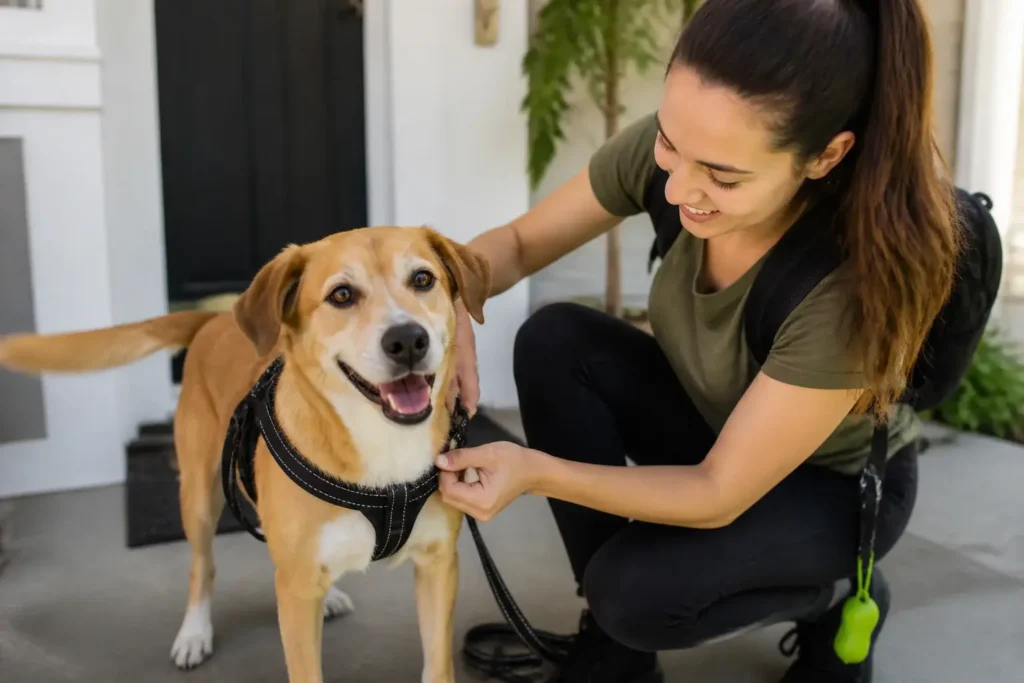
You love dogs, and dogs love you back. So why not turn that into the best side gig ever?
This guide walks you through everything you need to start dog sitting with confidence, from training and safety to pricing and getting your first clients.
You’ll get real-world tips, a few laughs, and zero fluff. Ready to be every pup’s favorite human?
Start With Your Why (And Your Real-Life Experience)
If you just want easy money for hanging out with puppies, heads up: dog sitting takes heart, patience, and a little grit. But if you light up when a dog does a wiggly butt dance, you’re in the right place.
Get honest about your experience. Have you handled leash-reactive dogs? Senior pups who need meds? A nervous rescue who hates thunderstorms? List what you can handle right now and what you want to learn next.
Build Hands-On Experience Fast
– Volunteer at a local shelter to learn handling, enrichment, and safe introductions.
– Offer free or low-cost sits for friends and neighbors to build references.
– Shadow a pro sitter for a weekend to see how they manage schedules and communication.
Set Your Non-Negotiable Safety Standards
Safety comes first for the dog, you, and the home you’re entering. You can be friendly and still have firm rules. Clients respect that.
Before any booking, require a meet-and-greet. You’ll learn the dog’s routine, triggers, and house rules. Create a simple checklist so nothing slips.
Your Pre-Booking Checklist
- Vaccination status, flea/tick prevention, and vet contact info
- Feeding schedule, portion sizes, and food storage location
- Medication instructions and approved treats only
- Walk routines: harness type, reactivity notes, approved walking routes
- Crate training details and sleep arrangements
- Emergency plan: nearest 24/7 clinic, owner’s backup contact
- Home access, cameras disclosed, and security system instructions
House Rules You Should Clarify
– No off-leash outside fenced areas, period.
– No dog parks unless the owner already takes them comfortably and you agree.
– Only use owner-approved training tools. No surprises.
– Stick to the owner’s food and treat list. Human snacks are not dog-friendly and can be dangerous.
Create A Professional Profile That Sells You (Honestly)
Whether you use apps or go solo, your profile needs to sound like you and speak directly to dog parents’ biggest fears: safety, reliability, and communication.
What To Include
- Specialties: Seniors, puppies, anxious dogs, big breeds, medication administration
- Certifications: Pet First Aid/CPR, fear-free handling, local permits
- Clear services: Drop-ins, walks, overnight stays, boarding at your home (if allowed), house sitting
- Photos: You with dogs in real-life settings, not just selfies
- Tone: Friendly, confident, no exaggerations; promise only what you can deliver
Build Trust With Policies
– Require a meet-and-greet for all new clients.
– Set cancellation and holiday policies upfront.
– Spell out what constitutes an emergency and how you’ll act.
– Define what’s included in the base price versus add-ons.
Price Smart And Stay Sustainable
Pricing too low burns you out. Pricing too high without proof scares clients away. Aim for fair, then raise as your experience and reviews grow.
How To Set Rates
– Research local averages for walks, drop-ins, and overnights.
– Consider complexity: multiple dogs, special needs, long drives, or holiday rates.
– Offer packages: 3-drop-in bundles, weekly walk plans, or extended-stay discounts.
– IMO: start mid-market, deliver top-tier service, then increase once you’ve got repeat clients.
What To Include In Your Base Rate
– Feeding, fresh water, and a normal walk or play session
– Litter and yard poop pickup for the dog’s messes
– Medication administration as directed
– Photo updates and a quick daily summary
Nail Communication Like A Pro
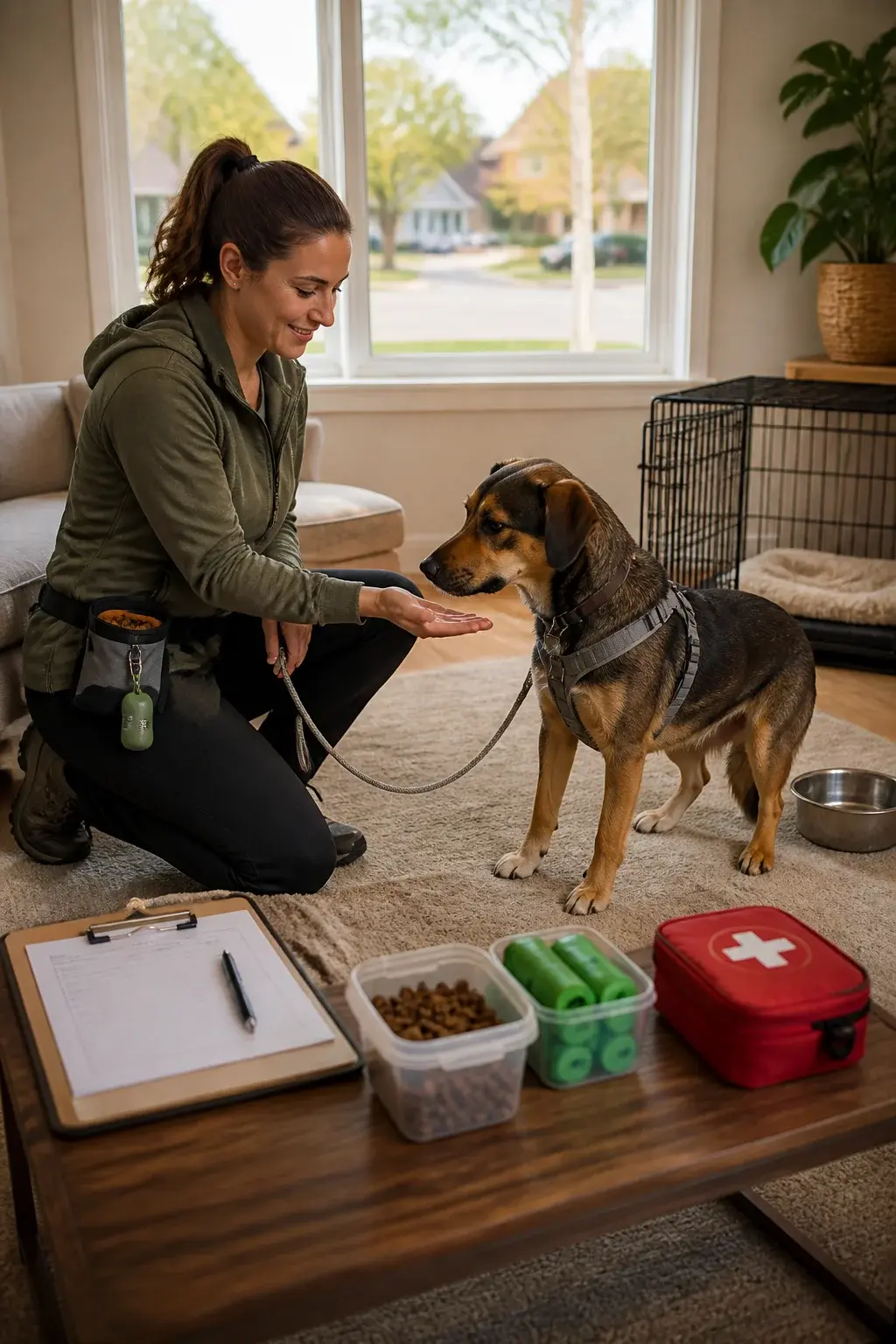
Strong communication wins repeat clients. You’ll reduce anxiety for both the owner and the dog.
Before The Stay
Send a short summary of the plan and confirm all details. FYI, owners love a simple checklist they can approve.
During The Stay
– Share 1–2 photo updates daily for overnights, or an update after each visit.
– Note mood, appetite, potty breaks, walks, and any training wins.
– Report issues promptly with solutions. Example: “Bella seems itchy. I can wipe her paws after walks and monitor. Should I use the vet-approved spray you mentioned?”
After The Stay
Send a friendly wrap-up with highlights, anything to watch, and adorable photos. Ask for a review while the happy vibes still linger.
Safety And Health: Don’t Wing It
Accidents happen. Prepare so you can act fast and keep everyone safe.
Emergency Kit Essentials
- Pet First Aid/CPR certification card or notes
- Gauze, non-stick pads, vet wrap, antiseptic wipes (pet-safe)
- Tweezers, tick remover, styptic powder
- Digital thermometer, saline eyewash
- Owner-approved calming aids, if applicable
- List of emergency vets and the dog’s medical history
When To Call The Vet Immediately
– Repeated vomiting or diarrhea, especially with lethargy
– Bloat signs: restlessness, unproductive retching, distended belly
– Toxic ingestion: chocolate, xylitol, grapes/raisins, certain meds, lilies (yes, dogs can get sick), or unknown substances
– Breathing issues, seizures, or severe injuries
Always inform the owner right away and follow the emergency plan you agreed on. Keep receipts and document everything.
Deliver Enrichment That Dogs Actually Love
Walks and cuddles rock, but mental enrichment makes a huge difference. A tired brain equals a calm dog.
Easy, Owner-Approved Enrichment Ideas
– Sniffari walks: slow, sniff-heavy routes instead of rushed miles
– Scatter feeding in the yard or on a snuffle mat
– Training games: sit, down, place, touch, name recognition
– Puzzle feeders or stuffed toys with the dog’s regular food only
– Frozen lick mats or Kongs packed with the dog’s normal wet food or soaked kibble
Important: Stick to the dog’s existing diet. No new treats without permission. Many “human foods” aren’t dog-friendly.
Managing Different Personalities
– High-energy pups: more sniff time, short training bursts, flirt pole play in a fenced yard
– Shy dogs: calm voice, side-body approach, let them approach you first
– Seniors: shorter walks, gentle stretching, soft bedding, med reminders, lots of love
Get Your First Clients And Keep Them Forever
You don’t need a huge ad budget. You need reliable service and word-of-mouth.
Ways To Book Your First 10 Clients
– Post on neighborhood groups with a friendly intro and starter discount.
– Leave simple business cards at groomers and vet clinics that allow it.
– Ask friends for referrals and offer a small thank-you credit.
– Create a one-page website or profile with photos, services, and reviews.
– Join a reputable app for visibility, then funnel repeat clients to your direct booking system if permitted by platform rules.
Retention Strategies That Actually Work
– Remember birthdays and send a cute photo or note.
– Keep detailed notes so you can say, “Max prefers the blue harness and slow feeder.”
– Offer returning-client perks after a few bookings.
– Be consistent. Show up on time. Send updates. Clean the water bowls. Little things matter.
Legal, Insurance, And Boundaries (AKA The Grown-Up Stuff)
Not fun, but crucial. Protect yourself and your clients.
Cover Your Bases
– Look into local business licenses as required.
– Consider pet sitter liability insurance and bonding.
– Use simple contracts: services, rates, cancellations, vet authorization, and emergency permissions.
– Keep keys secure and label them discreetly. No addresses on tags, ever.
Boundaries You’ll Thank Yourself For
– Set response hours. You’re a sitter, not a 24/7 call center.
– Limit how many overnights you take in a row to avoid burnout.
– Charge for extra tasks like plant care or long drive times.
– Say no to bookings that don’t feel safe or aligned with your skills. Seriously, trust your gut.
FAQs
Do I need formal training to become a dog sitter?
Not legally in most places, but training helps a lot. Get Pet First Aid/CPR, learn low-stress handling, and practice with different temperaments. The more prepared you are, the safer and more confident you’ll feel.
How do I handle a dog that pulls or reacts on walks?
Use the dog’s regular harness, increase distance from triggers, and pivot to sniffy routes. Reward calm behavior and keep walks shorter if the dog feels overwhelmed. If reactivity runs high, discuss a behavior plan with the owner and avoid crowded areas.
What should I do if the dog won’t eat?
First, confirm you followed the feeding routine exactly. Offer the food in a quiet area and try gentle encouragement. If the dog skips more than one meal, looks nauseous, or shows other symptoms, contact the owner and follow the agreed plan, which may include a vet visit.
Can I give the dog treats I bought?
Only with the owner’s permission and ingredient list approval. Many dogs have allergies or sensitive stomachs. Safer bet: use the owner’s treats or the dog’s regular kibble for training rewards.
How much should I charge for overnight stays?
It varies by city and experience. Check local averages, then factor in complexity, number of pets, and travel. Start competitive, deliver stellar service, and raise rates as reviews roll in, IMO.
Is boarding dogs at my home a good idea?
It can be great if your space is safe and legally allowed. You’ll need secure fencing, clear intake rules, vaccination checks, and a plan to separate dogs if needed. Start with one compatible dog at a time before scaling up.
Conclusion
Becoming a dog sitter feels rewarding because you keep pups happy and families worry-free. Start with solid safety practices, clear communication, and fair pricing. Add enrichment, professionalism, and a dash of heart, and you’ll build a client list that sticks. Ready to meet your next four-legged boss?
About the Author

David
Blogger/YouTuber
A guitar nerd, the myth, the legend.